Modern life has made stress feel almost unavoidable.
People move from one responsibility to another all day long—work, errands, notifications, deadlines, social media, emails, family obligations—and many never fully give their mind or body a chance to truly slow down. Over time, constantly operating in “go mode” can begin affecting everything from sleep quality and mood to energy levels and overall wellness.
The problem is that many people think relaxation is optional.
In reality, relaxation plays a major role in how the body recovers, regulates stress, and maintains healthy sleep patterns. Without enough downtime, the nervous system can remain overstimulated for long periods, leaving people feeling mentally exhausted but somehow still unable to fully unwind.
And that’s becoming increasingly common.
Many People Struggle to Truly Relax
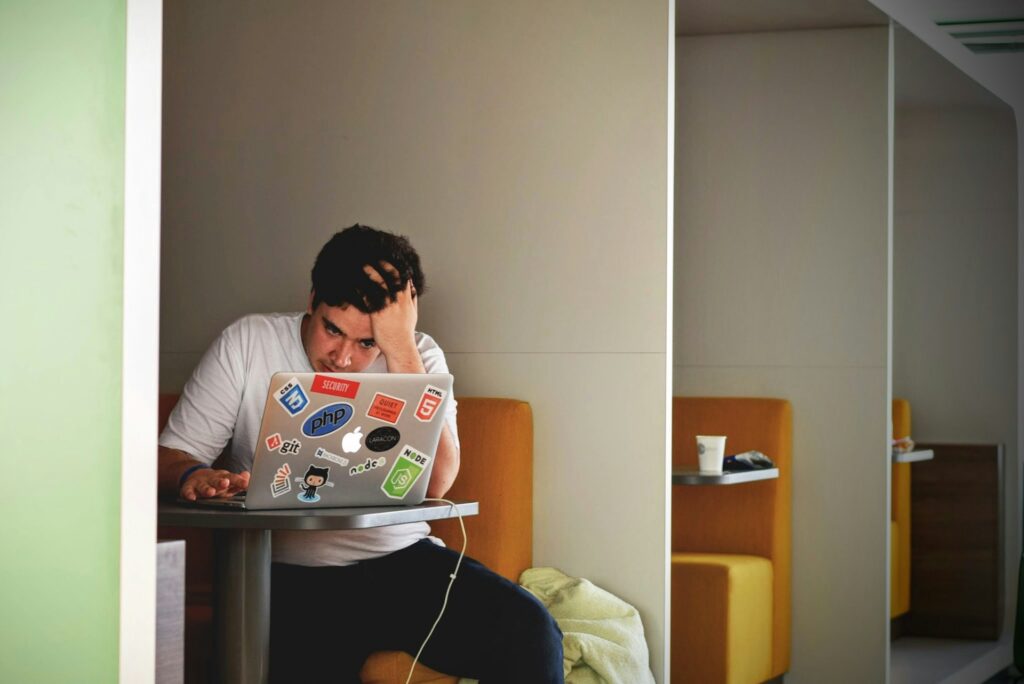
A lot of people today aren’t just tired—they’re overstimulated.
Even after sitting down at night, many people still feel mentally “on.” They may continue:
- checking their phones
- thinking about work
- replaying conversations
- worrying about tomorrow
- scrolling social media late into the night
That constant stimulation makes it difficult for the body to fully transition into a calm, restful state.
Many people describe it as:
“I’m exhausted, but I still can’t relax.”
That “wired but tired” feeling is often a sign that stress and recovery are out of balance.
Stress Affects More Than Just Mood

Most people think of stress as purely emotional, but chronic stress can also affect the body physically.
Some common signs the body may not be getting enough relaxation include:
- eye twitching
- muscle tension
- headaches
- irritability
- fatigue
- trouble sleeping
- difficulty concentrating
- feeling mentally drained
Eye twitching in particular is something many people notice during periods of poor sleep, high stress, or overstimulation. While usually harmless, it’s one of those small signals that can indicate the nervous system may be under strain.
The body often communicates stress subtly long before people fully recognize how overwhelmed they’ve become.
Sleep and Relaxation Are Deeply Connected
One reason relaxation matters so much is because it directly affects sleep quality.
Many people focus on simply getting more hours of sleep, but quality matters just as much as quantity. If the body remains stressed or overstimulated at night, it can become difficult to:
- fall asleep
- stay asleep
- reach deep restorative sleep
That’s because stress and sleep are closely linked through pathways in the body known as the hypothalamic-pituitary axis (HPA axis). This system helps regulate both stress responses and sleep cycles.
When stress levels remain elevated, it can disrupt the body’s natural circadian rhythm and make quality sleep harder to achieve.
And unfortunately, poor sleep can then make stress feel even worse the next day.
That creates a cycle many people unknowingly get stuck in:
- stress worsens sleep
- poor sleep increases sensitivity to stress
Relaxation Is a Skill Most People Neglect

One interesting thing about relaxation is that many people assume it should happen automatically.
But in reality, modern lifestyles often train people to stay mentally stimulated constantly.
Phones, notifications, multitasking, and nonstop information consumption can make true downtime surprisingly rare. Even activities that are supposed to feel relaxing often involve screens and stimulation.
That’s why intentional relaxation habits can become so important.
Small Relaxation Habits Can Make a Big Difference
Relaxation doesn’t always require major lifestyle changes.
Often, smaller habits repeated consistently help the most over time.
Some examples include:
- reducing screen time before bed
- keeping a more consistent sleep schedule
- limiting caffeine late in the day
- taking evening walks
- reading instead of scrolling
- listening to calming music
- practicing mindfulness or breathing exercises
Creating calmer evening routines can help signal to the body that it’s safe to begin winding down.
Why Cortisol Matters

One major factor involved in stress is cortisol.
Cortisol is often called the “stress hormone” because the body releases it in response to stress and alertness. While cortisol itself is important and completely natural, constantly elevated stress levels can disrupt the body’s ability to fully relax and recover.
When cortisol remains high for long periods, many people notice:
- feeling constantly alert
- trouble relaxing at night
- lighter sleep
- increased mental fatigue
- feeling overstimulated
That’s one reason stress management and sleep support are so closely connected.
Supporting Relaxation Naturally
For many people, relaxation becomes easier when they combine:
- healthy nighttime routines
- better sleep hygiene
- stress management habits
- supportive wellness products
Plant-based supplements designed for stress support and sleep quality have become increasingly popular for this reason.
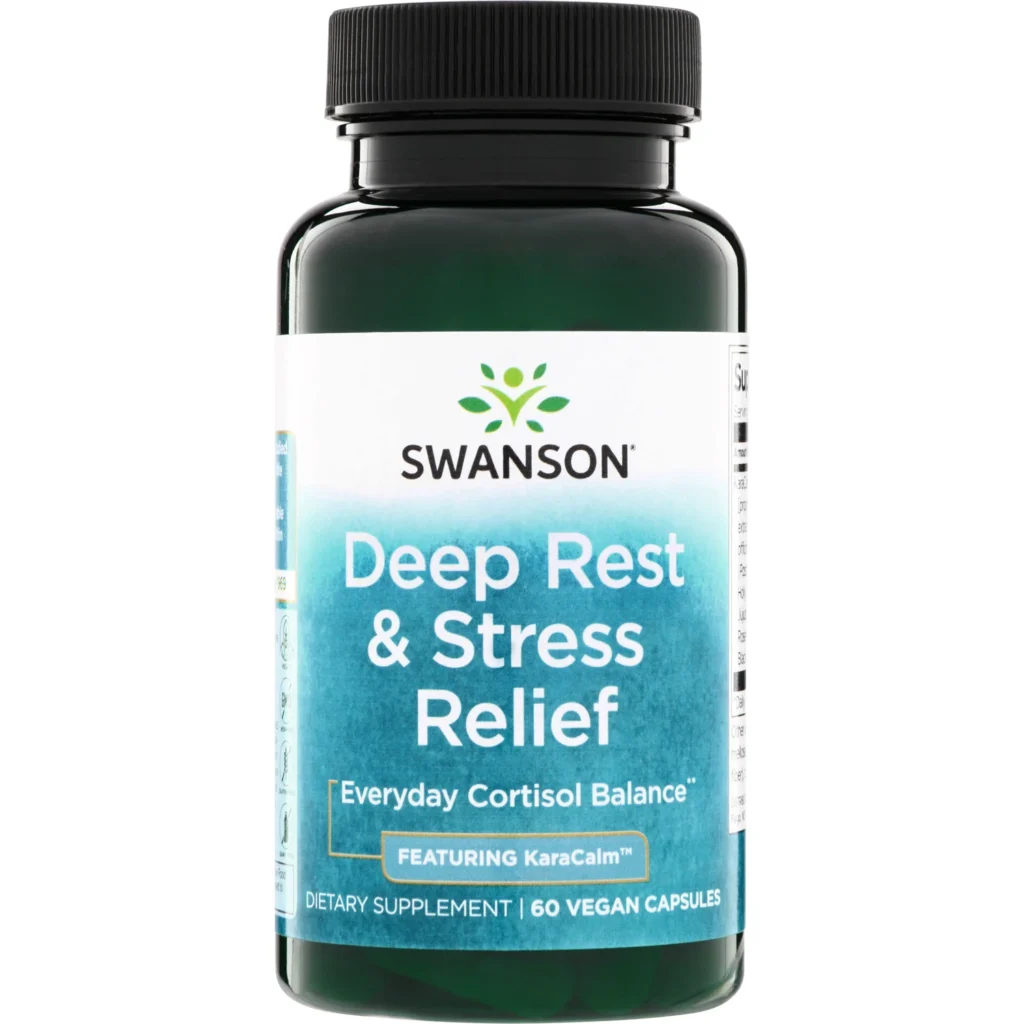
One natural supplement to consider is Swanson Deep Rest & Stress Relief featuring KaraCalm™.
A Plant-Based Approach to Relaxation and Sleep Support
Swanson Deep Rest & Stress Relief is designed to support both stress management and sleep quality using a gentle, plant-based approach.
The supplement features KaraCalm™, a botanical blend formulated to help:
- lower stress levels
- support healthy sleep
- promote relaxation
- encourage healthier circadian rhythm patterns
KaraCalm™ includes extracts of:
- valerian
- passionflower
- holy basil
- jujube
- rosemary
- black cumin seed
Many of these botanicals have long histories associated with relaxation and calming support.
For example:
- valerian is traditionally used to support sleep
- passionflower and jujube are commonly associated with relaxation
- holy basil and rosemary are often used to help support stress management
- black cumin seed provides antioxidant polyphenols that help support the body during stress
The Science Behind KaraCalm™
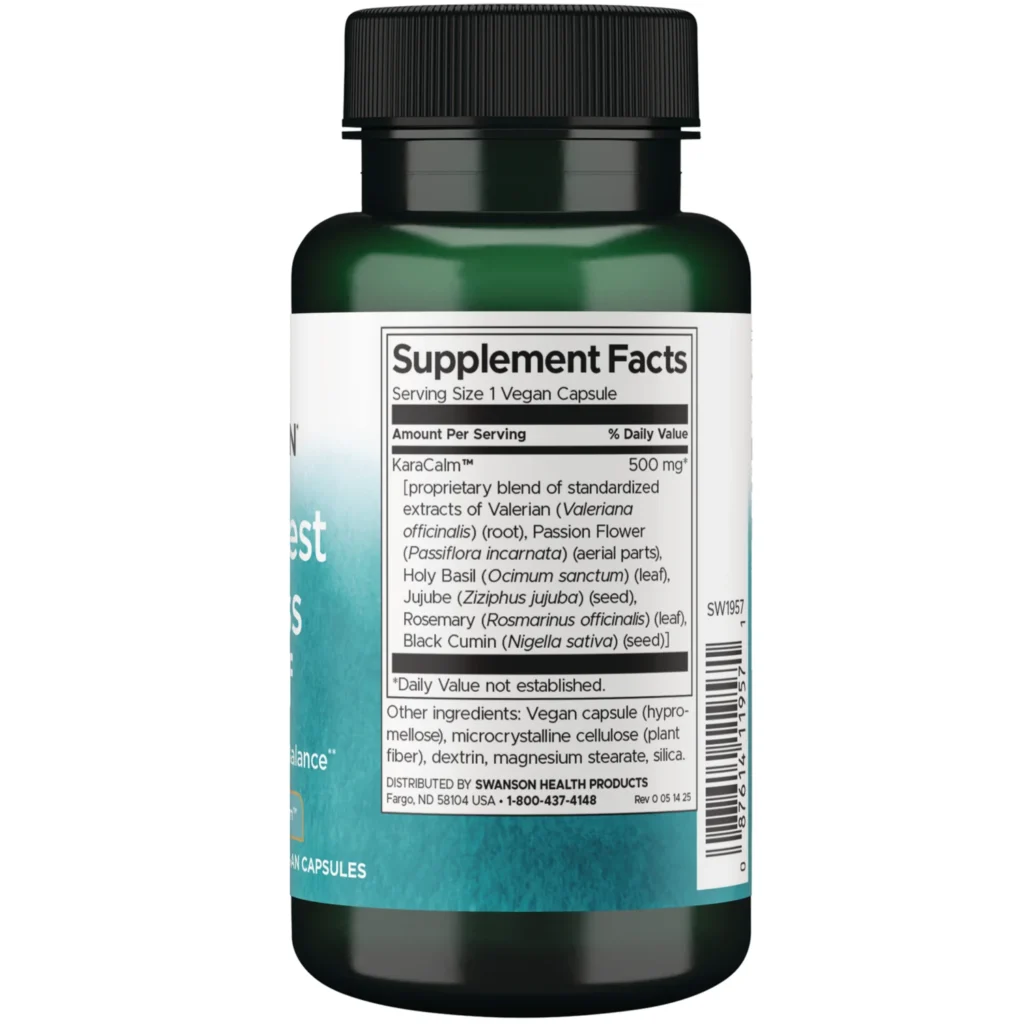
KaraCalm™ has also been clinically studied for its effects on stress and sleep support.
In a randomized, double-blind, placebo-controlled clinical study involving healthy adults taking 500 mg daily, participants experienced improvements related to:
- total sleep time
- time needed to fall asleep
- nighttime awakenings
- cortisol levels
- overall feelings of stress
Measurements were evaluated at both 14 days and 56 days.
At the two-week mark, participants experienced a reported 39% increase in total sleep time. Within less than two months, participants also noted:
- a 70% decrease in the time needed to fall asleep
- a 53% decrease in nighttime awakenings
- a measurable reduction in cortisol levels
The formula focuses on helping support healthier sleep and relaxation patterns naturally rather than simply masking stress temporarily.
Relaxation Is Part of Wellness
One reason relaxation often gets overlooked is because productivity tends to get prioritized more heavily in modern culture.
People are encouraged to:
- stay busy
- stay connected
- keep pushing forward
But the body still needs recovery.
Relaxation is not laziness. It’s an important part of supporting:
- mental wellness
- physical recovery
- emotional balance
- sleep quality
Without enough recovery time, stress can quietly build over time until the body starts showing signs that it needs a break.
Final Thoughts
Relaxation matters far more than many people realize.
It affects:
- stress levels
- sleep quality
- mood
- recovery
- overall well-being
And in today’s constantly connected world, truly slowing down has become harder than ever for many people.
Signs like:
- eye twitching
- mental fatigue
- irritability
- poor sleep
- feeling “wired but tired”
can sometimes be reminders that the body needs more calm and recovery.
For people looking to support relaxation and healthier sleep naturally, plant-based options like Swanson Deep Rest & Stress Relief featuring KaraCalm™ may help support better rest, lower stress, and a calmer nighttime routine as part of an overall wellness approach.
Sometimes the body isn’t asking for more stimulation.
Sometimes it’s simply asking for a chance to relax.
Thank you for reading this post, don't forget to subscribe to our newsletter!