Managing incontinence at home is much easier when the right supplies are already in place. Whether someone is caring for a parent, helping a loved one after surgery, supporting an older adult with mobility challenges, or managing their own daily bladder leaks, a simple home setup can make the routine feel cleaner, calmer, and more comfortable.
The goal is not just protection. It is also comfort, dignity, skin care, easier cleanup, and fewer last-minute emergencies. Having the right products on hand can help caregivers stay organized and help the person receiving care feel more prepared throughout the day and night.
Here are some of the best products for managing incontinence at home.
1. Extra-Absorbent Overnight Diapers
Overnight protection is one of the most important parts of an at-home incontinence routine. Nighttime leaks can interrupt sleep, create extra laundry, and make both the person receiving care and the caregiver feel less rested the next day. A highly absorbent overnight product can help provide longer-lasting protection during sleep, travel, or extended periods between changes.
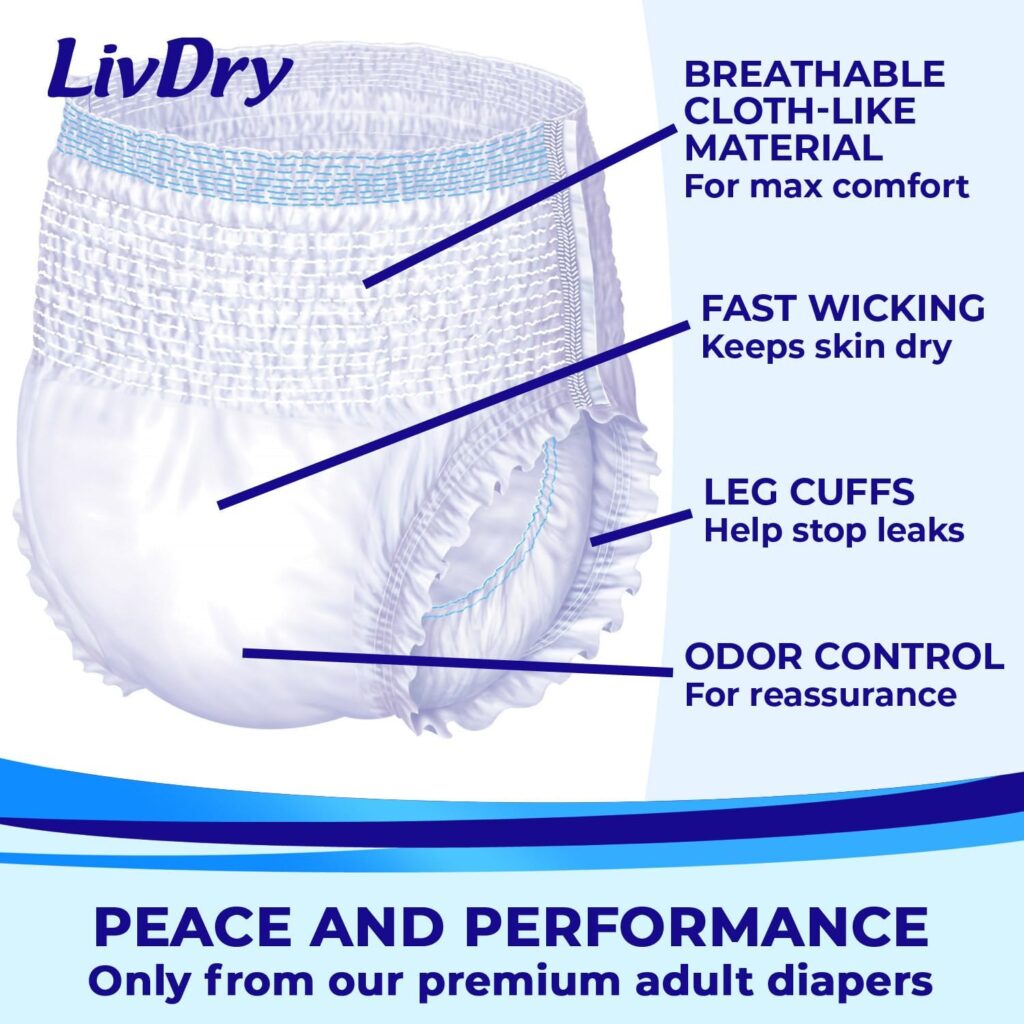
Overnight Protective Underwear from LivDry is designed for women and men who experience bladder leaks or loss of control and need extra protection through the night. These pull-up style adult diapers are made for maximum comfort and bedtime-to-rise reassurance, with a super absorbent design that can hold up to 70 ounces of liquid.
LivDry Overnight Protection also includes a proprietary super absorbent gel core that quickly locks fluid away and helps reduce odors. The special leak-barrier leg cuff with gathered bands helps guard against leaks while lying in bed, which can make nighttime care feel more manageable. The soft, cloth-like, latex-free material and stretch panels help contour to the body for a more comfortable fit, while tear-away sides make removal easier for caregivers. Colored stitching also helps identify the front side, which is a small but helpful detail during changes.
2. Disposable Bed Pads
Disposable bed pads are one of the most useful backup products to keep at home. They can be placed on beds, chairs, couches, wheelchairs, recliners, or car seats to add another layer of protection.
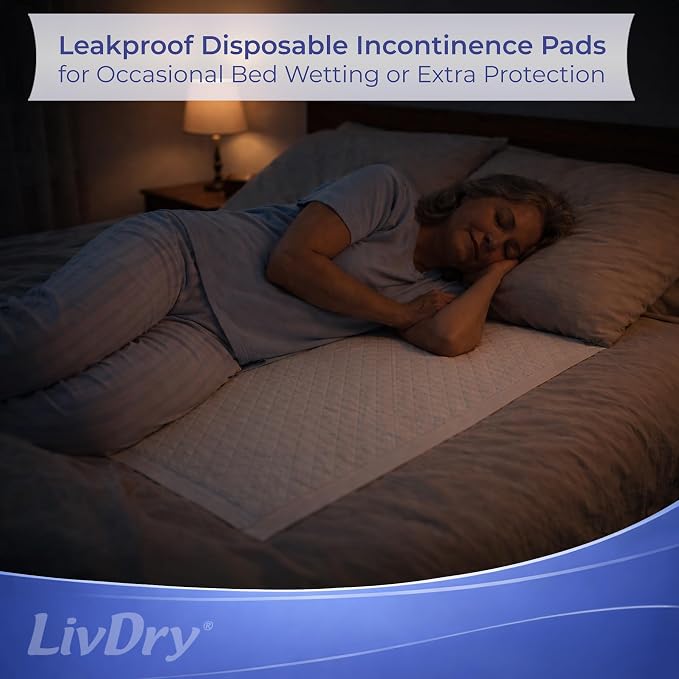
Even when someone is wearing absorbent underwear or adult diapers, bed pads can help protect furniture and bedding. They are especially helpful overnight, during illness, after procedures, or when someone is adjusting to a new incontinence product.
For caregivers, disposable bed pads can also make cleanup easier. Instead of changing full bedding every time there is a leak, the pad can be removed and replaced. For best results, keep a stack near the bed, bathroom, and main seating area so they are easy to grab when needed.
3. Waterproof Mattress Protectors
A disposable bed pad protects the top layer of the bed, but a waterproof mattress protector helps protect the mattress itself. This is especially important because mattresses are difficult and expensive to clean once moisture gets through.

A good waterproof mattress protector should cover the full mattress and stay securely in place under the fitted sheet. Some people prefer a zippered mattress encasement for full coverage, while others prefer a fitted-sheet style protector that is easier to remove and wash.
For at-home care, it can help to keep two mattress protectors available. That way, if one needs to be washed, the bed can still be remade right away. This small backup step can make overnight accidents much less stressful.
4. Gentle Cleansing Wipes
Skin care is a major part of managing incontinence. Moisture, friction, and frequent changes can make skin more sensitive, so gentle cleansing products are important.
Adult cleansing wipes are often easier than regular toilet paper, especially for caregivers helping with changes. Look for wipes that are soft, gentle, and designed for personal care. Fragrance-free options can be a better choice for sensitive skin.
Wipes are useful near the toilet, next to the bed, in a caregiver caddy, and in a travel bag. They help make cleanup faster and more comfortable, especially overnight or when mobility is limited. For people who need frequent changes, having wipes within reach can make the routine feel much smoother.
5. Barrier Cream
Barrier cream helps protect skin from moisture. This can be especially helpful for people who wear absorbent products for long periods, have sensitive skin, or need help changing.
The purpose of barrier cream is to create a protective layer between the skin and moisture. It can be used as part of a regular changing routine, especially before bedtime or before longer periods where changes may be less frequent.
Caregivers should apply it according to product directions and avoid using too much, since thick layers can sometimes make cleanup harder. If there is redness, irritation, open skin, pain, or a rash that does not improve, it is a good idea to check with a healthcare professional.
6. Disposable Gloves
Disposable gloves are a simple but important product for caregivers. They help keep changes cleaner and more sanitary, especially when helping with adult diapers, wipes, bedding, or laundry.

A box of gloves should be easy to reach wherever changes usually happen. Some caregivers keep gloves in the bathroom, bedroom, and a small supply caddy. Nitrile gloves are a common option, especially for people who want to avoid latex.
Gloves are also useful when applying barrier cream, handling soiled bedding, emptying trash, or cleaning surfaces. They make the process feel more organized and can help caregivers move through the routine with more confidence.
7. Disposal Bags
Disposal bags are helpful for containing used adult diapers, wipes, gloves, and pads before placing them in the trash. They are especially useful in bedrooms, shared bathrooms, travel bags, or homes where trash is not taken out immediately.

Small scented or odor-control disposal bags can help reduce odor, but fragrance-free options may be better for people who are sensitive to scents. The goal is simple: contain the product, tie it closed, and make disposal cleaner.
For caregivers, keeping bags near the changing area saves time. A small trash can with a lid can also help, especially when paired with regular trash removal.
8. Odor-Control Trash Can or Diaper Pail
Odor control is a practical part of incontinence care at home. A covered trash can, diaper pail, or odor-sealing disposal system can help keep the room fresher between trash changes.
This is especially useful in a bedroom, bathroom, or caregiving area where used products may be disposed of several times a day. A hands-free trash can with a lid can also make cleanup easier when wearing gloves.
The best setup is usually simple: disposal bags, a lined trash can with a secure lid, and a regular schedule for emptying it. This helps keep the care area cleaner and more comfortable for everyone in the home.
9. Laundry Supplies for Bedding and Clothing
Even with good protection, laundry is still part of managing incontinence at home. Having the right laundry products ready can make accidents easier to handle.
Useful supplies include a laundry basket with a lid, washable bed pads, stain remover, odor-removing detergent, and extra sheets. Some caregivers also keep a separate waterproof laundry bag nearby for wet items.
It can help to have at least two full sets of sheets and extra towels available, especially for nighttime care. That way, if bedding needs to be changed, the bed can be remade quickly without searching for clean linens in the middle of the night.
10. A Bathroom Safety Setup
Incontinence care is not only about absorbent products. Bathroom safety matters too, especially for older adults or people with limited mobility.
Helpful bathroom products may include grab bars, a raised toilet seat, a non-slip bath mat, a shower chair, and a night light. These items can make it easier and safer for someone to get to the toilet, change products, wash up, or move around the bathroom.
For people who wake up at night to use the bathroom, lighting is especially important. A soft night light in the hallway and bathroom can reduce the chance of trips or falls. The safer the bathroom setup, the easier the daily routine becomes.
11. A Caregiver Supply Caddy
A caregiver supply caddy can make the entire process more organized. Instead of keeping products scattered around the house, a small basket or rolling cart can hold the essentials in one place.
A good caddy might include adult diapers, wipes, gloves, barrier cream, disposal bags, hand sanitizer, extra bed pads, and a change of clothing. For nighttime care, keeping the caddy near the bed can save time and make changes less disruptive.
This is especially helpful when more than one person is helping with care. Everyone knows where the supplies are, what needs to be restocked, and how to keep the routine consistent.
12. A Simple Restocking System
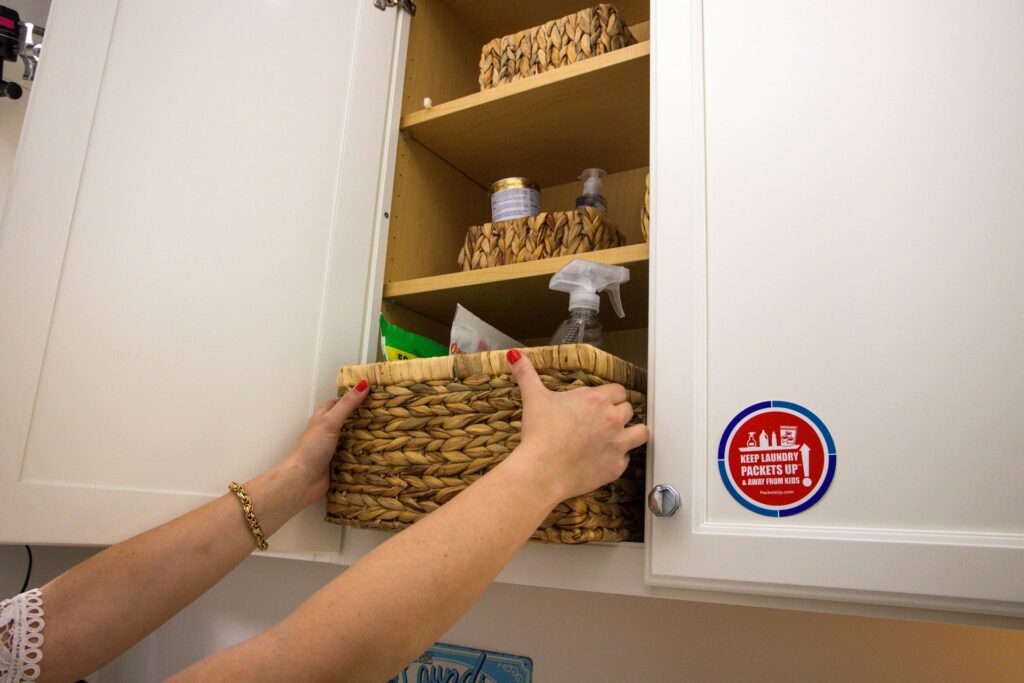
Running out of supplies can make incontinence care much harder than it needs to be. A simple restocking system helps prevent last-minute store trips and stressful gaps in care.
One easy method is to keep a main supply area and a smaller daily-use area. When the daily-use area starts getting low, refill it from the main supply. When the main supply reaches a certain point, reorder.
It can also help to track the average number of adult diapers, wipes, pads, and gloves used each day. This makes it easier to estimate how much to keep on hand for one week, two weeks, or a full month.
Final Thoughts
Managing incontinence at home becomes much easier with the right products and a thoughtful setup. Extra-absorbent adult diapers, bed pads, wipes, gloves, barrier cream, disposal bags, mattress protectors, laundry supplies, and bathroom safety tools all play a role in making daily care more comfortable and organized.
For overnight protection, LivDry Overnight Protective Underwear is a strong option for people who need high absorbency, comfort, odor control, and leak protection during sleep or extended wear. Combined with practical home care products like bed pads, skin care supplies, and a well-stocked caregiver caddy, it can help create a more reliable routine.
The best incontinence products are not just about managing leaks. They are about helping people feel clean, comfortable, prepared, and supported at home.
Thank you for reading this post, don't forget to subscribe to our newsletter!