Every so often, a supplement starts getting attention online because people connect it to a bigger wellness trend. Recently, berberine has become one of those supplements. You may have seen it called “nature’s Ozempic” on social media, in wellness conversations, or in articles about metabolic health.
That nickname is catchy, but it also deserves some context.
Berberine is not Ozempic. It is not a prescription medication, and it should not be treated like a replacement for any medication prescribed by a doctor. Ozempic is a pharmaceutical drug that works in a very specific way in the body and is used under medical supervision. Berberine is a plant-derived compound commonly sold as a dietary supplement.
So why are people comparing the two?
The short answer is that berberine has become popular because of its connection to metabolic wellness, blood sugar support, and weight-management conversations. As more people become interested in GLP-1 medications and metabolic health, supplements that support similar wellness goals are getting more attention too.
But it is important to keep expectations realistic. Berberine is not a shortcut, a magic fix, or a guaranteed weight-loss solution. It is better understood as one possible support tool within a bigger routine that includes nutrition, movement, sleep, hydration, and guidance from a healthcare professional when needed.
What Is Berberine?
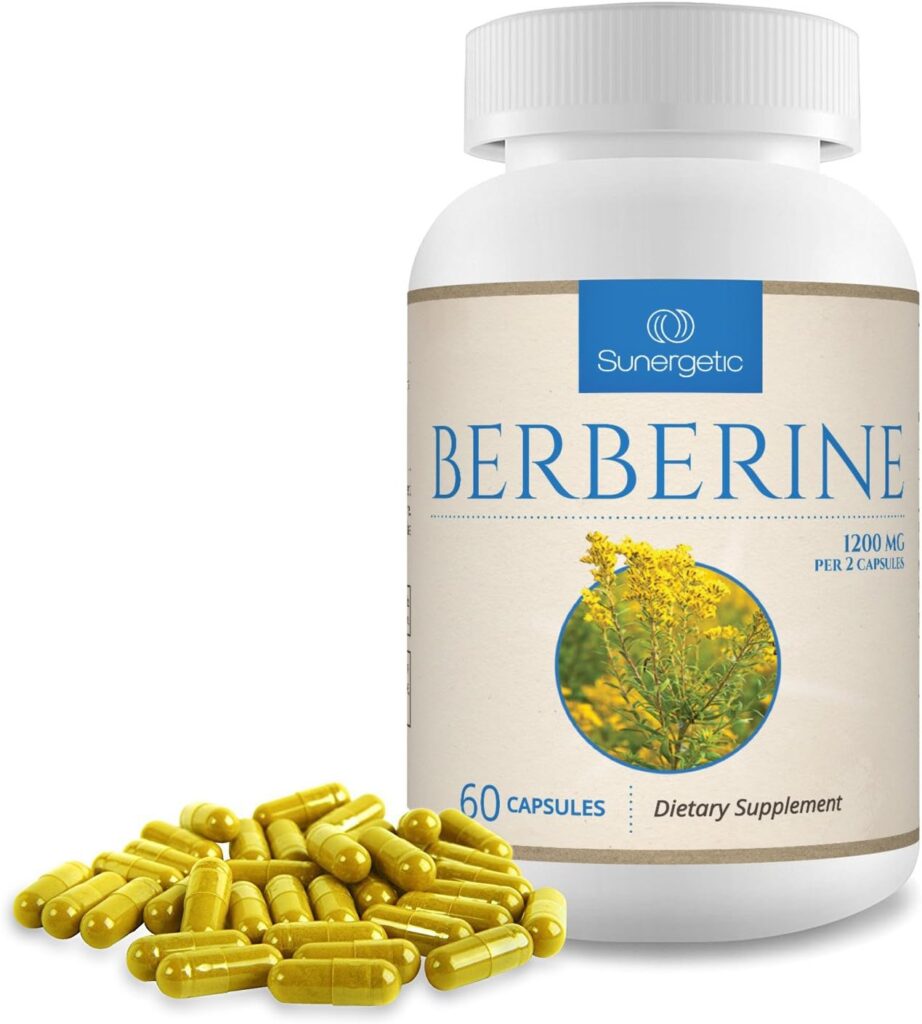
Berberine is a naturally occurring compound found in several plants, including barberry, goldenseal, Oregon grape, and tree turmeric. It has been used in traditional wellness practices for a long time and is now commonly available in supplement form.
In modern wellness conversations, berberine is usually discussed for its potential role in metabolic health. People often look into it because they want support for blood sugar balance, appetite-related wellness, digestion, or overall metabolic function.
The reason it gets so much attention is that metabolic health affects how the body uses energy, responds to food, and manages daily wellness patterns. When people feel like their routines are not supporting their goals, they often start exploring supplements that may help complement healthier habits.
That is where berberine enters the conversation.
Why the “Nature’s Ozempic” Nickname Took Off
The phrase “nature’s Ozempic” became popular because people are looking for non-prescription wellness options that relate to the same broad categories Ozempic is famous for: blood sugar, appetite, weight management, and metabolic health.
But the comparison is imperfect.
Ozempic belongs to a class of medications that work through GLP-1 pathways and is prescribed for specific medical uses. Berberine is a supplement. It does not work the same way, it is not regulated like a prescription medication, and it should not be expected to create the same results.
The nickname is more of a trend phrase than a scientific statement. It reflects interest in berberine, not proof that berberine does what Ozempic does.
A better way to think about it is this: berberine is being discussed because people are paying more attention to metabolic support. It may fit into a wellness routine for some people, but it should be approached with the same common sense you would use with any supplement.
The Metabolic Wellness Connection

Metabolic wellness is about how your body processes and uses energy. It includes things like blood sugar balance, insulin sensitivity, appetite patterns, digestion, and how you feel after meals.
When people talk about berberine, they are usually interested in its potential to support these areas. It has become especially popular among people who want to feel more intentional about their daily health habits but are not necessarily looking for a prescription option.
That said, “support” is the important word. A supplement can support a routine, but it cannot replace the basics. If someone is eating inconsistently, sleeping poorly, under high stress, and not moving much, berberine is not going to magically overcome all of that.
The best way to frame berberine is as a possible addition to a balanced wellness plan, not the plan itself.
Why Blood Sugar Support Matters
One reason berberine gets attention is because blood sugar balance has become a bigger topic in everyday health conversations. People are realizing that how they feel after eating can affect energy, cravings, focus, mood, and overall daily comfort.
A blood sugar-friendly routine usually includes balanced meals with protein, fiber, healthy fats, and whole-food carbohydrates. It can also include regular movement, especially walking after meals, staying hydrated, and getting enough sleep.
Berberine is often positioned as a supplement that may help support this type of routine. But again, it should not be treated as a free pass to ignore food quality or lifestyle habits. Supplements tend to work best when they are supporting something you are already doing consistently.
If someone is interested in berberine specifically for blood sugar reasons, it is smart to talk with a healthcare provider first, especially if they take medication, have diabetes, are pregnant, are breastfeeding, or have any medical condition.
The Weight Management Conversation

The reason berberine is getting compared to weight-loss medications is because people are curious about anything that may support appetite, metabolism, or healthier weight-management routines.
But this is where it is especially important not to overstate things.
Berberine should not be promoted as a guaranteed weight-loss supplement. It should not be described as a replacement for GLP-1 medications. And it should not be framed as something that will produce dramatic results on its own.
A more realistic way to discuss it is that berberine may be useful for people who are already building a healthier lifestyle and want added metabolic support. When paired with consistent meals, fiber, protein, exercise, and good sleep, it can become part of a broader wellness approach.
The most successful routines are rarely based on one product. They are built from repeatable habits.
Why Supplements Are Getting Smarter
One reason people are more open to supplements like berberine is that wellness shoppers are becoming more educated. They do not just want random capsules with vague promises. They want to understand what ingredients do, how they fit into a routine, and whether the product makes sense for their goals.
That is why berberine works well as an educational article topic. It gives readers a chance to understand the trend without falling for hype.
The best supplement content should help people make informed decisions. It should explain what the product is, why people are talking about it, and how to use it responsibly. That kind of framing builds trust, especially in a category where exaggerated claims can make readers skeptical.
A Berberine Supplement to Consider

For anyone curious about adding berberine to their wellness routine, a dedicated berberine supplement can be a simple place to start. The appeal is convenience: instead of trying to source berberine through plant extracts or complicated routines, a supplement gives you a consistent, easy-to-use option.
A quality berberine supplement may be a good fit for people interested in daily metabolic wellness support, blood sugar support, or a more intentional supplement routine. It can also appeal to those who are already focused on eating balanced meals, adding more fiber, moving regularly, and supporting their overall health.
When choosing a berberine supplement, look for clear labeling, straightforward serving instructions, and a brand that emphasizes quality standards. Since supplements are not all made the same way, it is worth choosing one that feels trustworthy and easy to work into your daily routine.
The best way to position a berberine supplement is not as a miracle product, but as a supportive tool. It may help complement a healthy lifestyle, especially for people paying closer attention to metabolic wellness. For readers who have been hearing about the “nature’s Ozempic” trend and want to understand what berberine actually is, a well-formulated supplement can be a practical option to explore.
As always, anyone taking medications or managing a health condition should check with a healthcare provider before starting berberine. That is especially important for people taking blood sugar medications, because supplements that may affect metabolic markers can interact with existing treatment plans.
How to Use Berberine Responsibly
Berberine should be used thoughtfully, not casually. Even though it is available as a supplement, that does not mean it is right for everyone.
The first step is reading the product label and following the suggested use. More is not automatically better, and taking too much of any supplement can increase the chance of side effects or discomfort. Some people may experience digestive changes when starting berberine, so it can be helpful to pay attention to how your body responds.
It is also smart to avoid stacking too many new supplements at once. If you start multiple products at the same time, it becomes harder to know what is helping, what is not, or what may be causing an unwanted reaction.
For the best results, berberine should be part of a routine that already includes strong basics. That means eating balanced meals, getting enough protein and fiber, staying active, sleeping well, and managing stress. Those habits create the foundation. Berberine may be one possible addition, but it should not be expected to do the work of the entire routine.
Who Might Be Interested in Berberine?
Berberine may interest people who are focused on metabolic health, blood sugar support, or wellness habits that help them feel more balanced day to day. It may also appeal to people who are curious about the supplement behind the “nature’s Ozempic” conversation but want a more realistic explanation before trying it.
It may not be the right fit for people who are pregnant or breastfeeding, people taking certain medications, or anyone managing a medical condition without guidance. It is also not the right fit for someone expecting prescription-level results from a supplement.
In other words, berberine may be worth learning about, but it should be approached with realistic expectations.
Why the Hype Needs Context
The wellness world loves a catchy nickname. “Nature’s Ozempic” is memorable, but it can also be misleading if people take it too literally.
The better conversation is not whether berberine is the natural version of a prescription drug. It is whether berberine has a place in a thoughtful metabolic wellness routine.
For some people, the answer may be yes. For others, it may not be necessary. What matters is understanding the difference between a trend and a responsible wellness choice.
Berberine is popular for a reason, but popularity should not replace research, caution, or professional guidance.
What to Know Before Trying Berberine
Before adding berberine to your routine, think about your goals. Are you trying to support balanced meals? Improve consistency? Pay more attention to metabolic wellness? Build a smarter supplement routine?
Those are reasonable reasons to be curious.
But if you are looking for fast, dramatic results or a replacement for medical care, berberine is not the answer. Supplements should support your health habits, not replace them.
It is also helpful to remember that everyone responds differently. What works well for one person may not feel the same for another. That is why consistency, realistic expectations, and professional guidance matter.
The Takeaway
Berberine is being called “nature’s Ozempic” because it has become part of the larger conversation around metabolic health, blood sugar support, and weight-management routines. But the nickname should be taken with caution. Berberine is not Ozempic, does not work the same way, and should not be treated as a replacement for prescription medication.
What berberine can be is a supplement worth understanding. For people interested in metabolic wellness support, it may be a useful addition to a balanced routine that includes nutrition, movement, sleep, and healthy daily habits.
A quality berberine supplement can make it easier to explore this popular ingredient in a consistent way. The key is to choose responsibly, follow the label, and keep expectations realistic.
The trend may have started with a catchy nickname, but the smarter takeaway is simple: berberine is not magic. It is a wellness supplement that may support the bigger habits that matter most.
Thank you for reading this post, don't forget to subscribe to our newsletter!