
Gut health has become one of those wellness topics that seems to show up everywhere, but there is a reason people keep talking about it. Your gut does much more than digest food. It plays a role in how your body breaks down nutrients, supports your immune system, responds to inflammation, and even communicates with your brain. That does not mean a probiotic supplement is the answer to every health issue, but it does mean your gut microbiome can have a bigger impact on your everyday comfort than you might realize.
Your microbiome is made up of bacteria, yeasts, and other tiny organisms that naturally live in your digestive tract. Some are helpful, some can be harmful when they grow out of balance, and many work best when your body has a diverse and healthy mix. Probiotics are live microorganisms that may help support that balance. They are found in certain fermented foods, but they are also available as supplements in capsules, powders, drinks, and other forms.
The tricky part is knowing when a probiotic might actually be worth trying. Occasional bloating, a random upset stomach, or one off day does not necessarily mean your gut needs extra support. However, if certain issues keep showing up, especially after antibiotics, changes in diet, stress, or ongoing digestive discomfort, it may be time to consider whether probiotics could help.
Your Digestion Feels Off More Often Than Usual

One of the most common reasons people look into probiotics is because their digestion feels unpredictable. Maybe you feel bloated after meals, deal with frequent gas, notice changes in your bathroom habits, or feel like your stomach is more sensitive than it used to be. Occasional digestive discomfort can happen to anyone, especially after a heavy meal, travel, stress, or eating something that does not agree with you. But if your digestion feels off on a regular basis, your gut bacteria may be one factor worth considering.
A balanced microbiome helps break down food, supports the gut lining, and keeps harmful bacteria from taking over. When that balance is disrupted, some people notice more bloating, constipation, diarrhea, abdominal discomfort, or general irregularity. Probiotics may help support a healthier balance of bacteria, which can be especially helpful for people who feel like their stomach is constantly reacting to normal meals.
That said, probiotics are not a replacement for figuring out the cause of persistent digestive issues. If symptoms are severe, new, painful, or paired with unexplained weight loss, blood in the stool, vomiting, or ongoing diarrhea, it is important to talk with a medical professional. But for mild, recurring digestive discomfort, probiotics may be one tool to explore.
You Recently Took Antibiotics

Antibiotics can be incredibly important when you have a bacterial infection, but they do not only target the bacteria making you sick. They can also reduce some of the beneficial bacteria in your gut. That is why some people experience diarrhea, stomach upset, or digestive changes during or after a course of antibiotics.
This is one of the clearest times when someone may consider a probiotic supplement. Certain probiotic strains have been studied for antibiotic-associated diarrhea, and some people find that taking probiotics during and after antibiotics helps their digestion feel more stable. Timing matters, though. If you take a probiotic at the exact same time as your antibiotic, the antibiotic may reduce the effectiveness of the probiotic. Many healthcare providers recommend spacing them apart by at least a couple of hours.
It can also be helpful to continue probiotics for a short period after finishing antibiotics, since your gut may need time to rebalance. Not every probiotic works the same way, so if you are taking antibiotics for a specific condition or have a complicated health history, it is best to ask your doctor or pharmacist which type makes the most sense.
You Seem to Get Sick Often

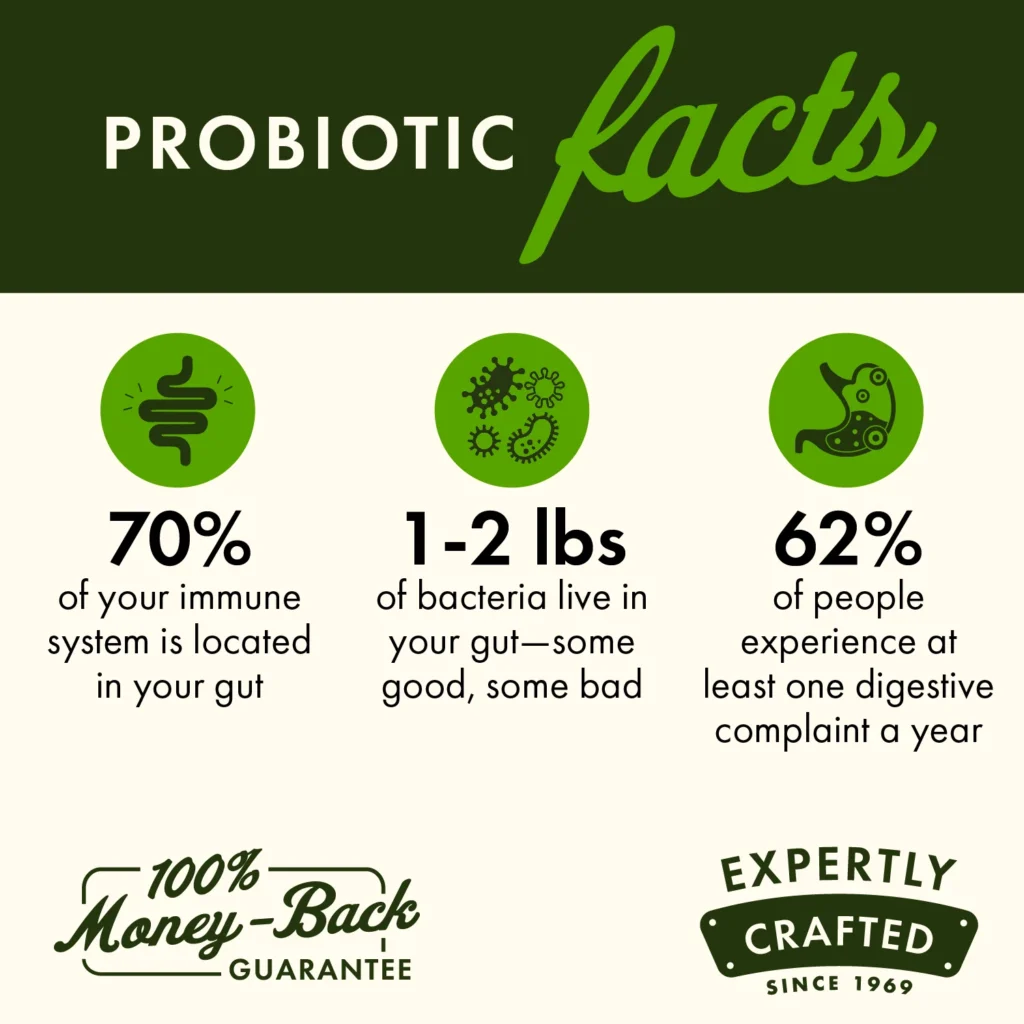
Your gut and immune system are closely connected. A large portion of immune activity is tied to the digestive tract, which makes sense when you think about it. Your gut is constantly interacting with food, bacteria, and outside substances that enter the body. A healthy microbiome helps create an environment where beneficial bacteria can thrive and harmful organisms have a harder time taking over.
If you feel like you catch every cold, bug, or seasonal illness going around, your gut may not be the only reason, but it could be part of the bigger picture. Sleep, stress, nutrition, hydration, exercise, vitamin levels, and overall health all play major roles in immune function. Still, probiotics may help support immune health by encouraging a healthier microbiome.
This does not mean a probiotic will make you immune to illness. It also does not replace basic habits like washing your hands, getting enough rest, eating nutrient-rich foods, and managing stress. But if you are already working on those basics and still feel run down often, adding probiotic support may be worth considering.
Your Skin Is Acting Up
Skin issues can have many causes, including hormones, allergies, skincare products, stress, weather, and genetics. However, your gut may also influence your skin through what is often called the gut-skin connection. When the gut microbiome is out of balance, it may contribute to inflammation or immune responses that can show up in the skin.
Some people become interested in probiotics when they are dealing with acne, eczema, redness, irritation, or recurring skin flare-ups. Probiotics are not a guaranteed skin solution, but they may support the body from the inside by helping maintain a healthier gut environment. This can be especially relevant if your skin issues seem to flare at the same time as digestive problems, after antibiotics, or during periods of stress.
For skin concerns, it is also important to be realistic. A probiotic supplement may take weeks to show any noticeable effect, and the right strain can matter. If your skin condition is severe, painful, spreading, or affecting your quality of life, a dermatologist or healthcare provider can help you find the best treatment plan.
Certain Foods Suddenly Bother You

Food intolerances can be frustrating because they can make eating feel unpredictable. You may notice bloating, gas, diarrhea, nausea, skin reactions, or discomfort after certain foods. Common triggers can include dairy, gluten, high-FODMAP foods, artificial sweeteners, or very fatty meals. While probiotics do not “cure” food allergies or make unsafe foods safe to eat, they may support digestion and gut balance in some people.
If your gut microbiome is disrupted, your digestion may become more sensitive. Supporting the microbiome with probiotics, prebiotic-rich foods, and a balanced diet may help some people tolerate certain foods better over time. However, true food allergies are different from intolerances and can be dangerous. If you have symptoms like swelling, trouble breathing, hives, or a severe reaction after eating, that needs medical attention, not self-treatment with supplements.
For everyday digestive sensitivity, probiotics may be one part of a larger approach. Keeping a food journal, adding fiber gradually, drinking enough water, and talking to a dietitian can also help you figure out patterns instead of guessing.
Your Mood and Stress Seem Tied to Your Stomach

Many people notice that stress affects their stomach. Some feel nauseous when anxious, some lose their appetite, and others deal with urgent bathroom trips before stressful events. This happens because the gut and brain communicate through a complex system often called the gut-brain axis.
Research is still growing in this area, but the idea is simple: your gut health and mental health can influence each other. A disrupted gut may affect inflammation, neurotransmitter activity, digestion, and stress responses. At the same time, chronic stress can affect motility, stomach acid, appetite, and the balance of bacteria in the gut.
Probiotics are not a replacement for mental health care, therapy, stress management, or medication when needed. But if your mood and digestion seem connected, supporting your gut may be a helpful addition to your wellness routine. Pairing probiotics with sleep, movement, balanced meals, and stress-reducing habits may offer a more complete approach.
You Deal With Ongoing Inflammation or Gut Irritation
Inflammation is part of the body’s natural defense system, but chronic inflammation can become a problem. In the gut, an imbalanced microbiome may allow less helpful bacteria to grow too much, irritate the gut lining, or contribute to immune activation. Some people with ongoing gut irritation, inflammatory bowel conditions, or recurring digestive flares may be curious about probiotics for this reason.
This is an area where professional guidance matters. Different strains can have different effects, and not every probiotic is appropriate for every condition. For example, someone with mild bloating has different needs than someone with inflammatory bowel disease, a weakened immune system, or a serious gastrointestinal condition. If you have a diagnosed condition, it is best to ask your healthcare provider before starting a supplement.
You Want to Improve Your Gut Health, But Your Diet Is Missing Fiber
Probiotics get a lot of attention, but prebiotics are just as important. Prebiotics are the fibers and compounds that feed the beneficial bacteria already living in your gut. They are found in foods like fruits, vegetables, beans, lentils, oats, whole grains, onions, garlic, asparagus, and bananas.
If your diet is low in fiber, a probiotic may help, but it may work better when paired with foods that nourish your microbiome. Think of probiotics as adding helpful organisms and prebiotics as feeding them. A supplement alone may not do much if your overall diet does not support gut health.
Fermented foods can also be useful additions. Yogurt with live cultures, kefir, sauerkraut, kimchi, miso, tempeh, and fermented pickles can add variety to your routine. They may not always provide the same targeted effect as a supplement, but they can still be part of a gut-friendly diet.
How to Choose a Probiotic Supplement
Not all probiotics are the same. Different strains may support different goals, which is why choosing a random bottle off the shelf can be confusing. A good probiotic label should clearly list the genus, species, and strain. You may see names like Lactobacillus, Bifidobacterium, or Saccharomyces boulardii. These are common probiotic groups, but the specific strain can influence what the supplement is best used for.
Look for a reputable brand, clear labeling, an expiration date, and storage instructions. Some probiotics need refrigeration, while others are shelf-stable. You may also want to check for allergens, added sugars, or ingredients that do not fit your needs. Many products list CFUs, or colony-forming units, which refer to the amount of live microorganisms. More is not always better; the right strain and quality matter more than simply choosing the highest number.
It is also smart to start slowly. Some people notice temporary gas or bloating when they first begin probiotics. Taking them consistently for a few weeks may give you a better sense of whether they are helping.
Choosing a Quality Probiotic Supplement
When choosing a probiotic supplement, look for a trusted brand, clear strain information, a meaningful CFU count, and strong quality standards. Since probiotics are live microorganisms, it also helps to choose a formula designed for stability and everyday use.
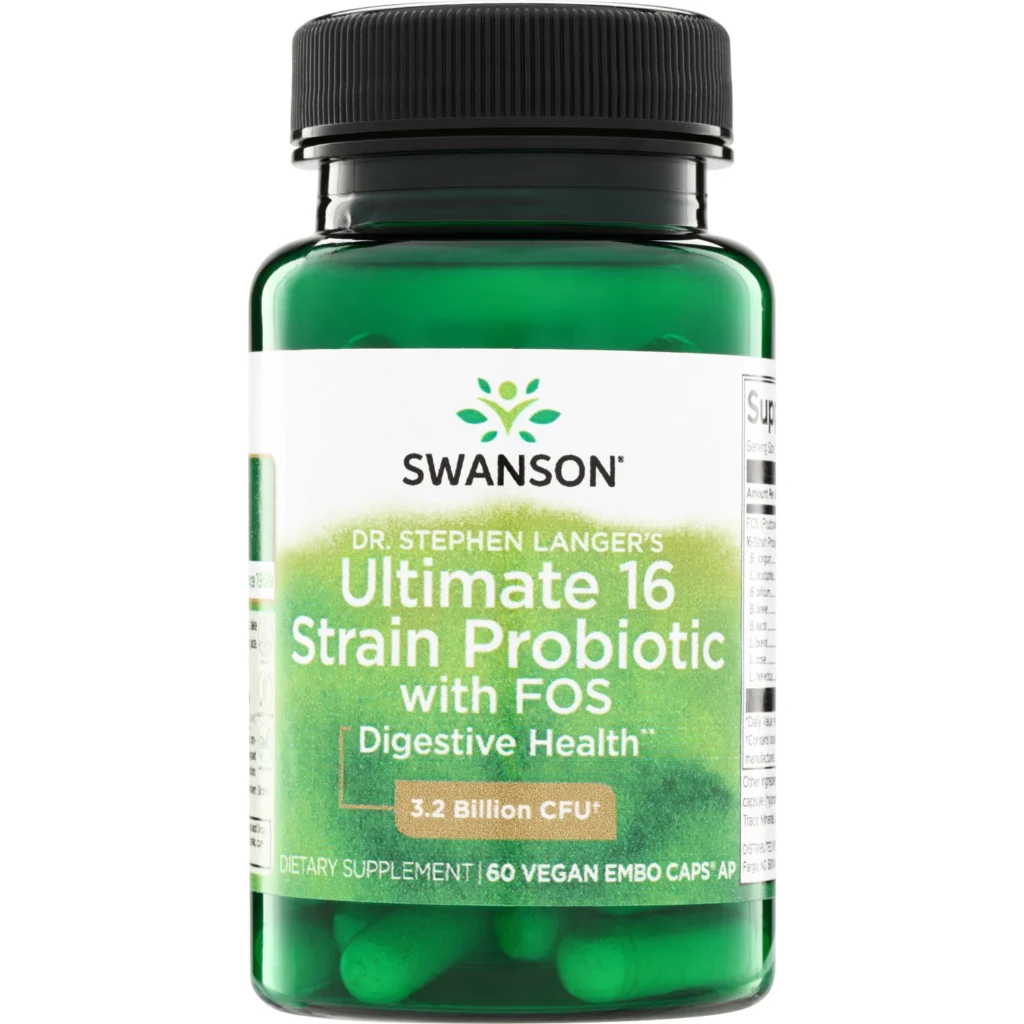
We recommend Swanson for their science-backed formulations and strict quality control. One great option is Dr. Stephen Langer’s Ultimate 16 Strain Probiotic with FOS, Swanson’s most popular probiotic. It includes 3.2 billion CFU from 16 unique strains, plus prebiotic FOS to help nourish beneficial gut bacteria.
This diverse formula supports digestive and colon health, while also offering support for immune system function and a positive mental outlook. It is also acid-resistant and does not require refrigeration, making it an easy option for daily gut health support.
The Bottom Line
It might be time to try probiotic supplements if you are dealing with frequent digestive discomfort, recently took antibiotics, feel like your immune system needs support, notice gut-related skin or mood changes, or want to be more intentional about your gut health. Probiotics are not magic, and they are not the right answer for every symptom, but they can be a helpful part of a larger wellness routine.
The best results usually come from combining the right probiotic with a gut-supportive lifestyle. That means eating enough fiber, staying hydrated, getting sleep, managing stress, and paying attention to how your body responds. If you have ongoing symptoms, a medical condition, or are unsure which probiotic to choose, talking with a healthcare provider or dietitian can help you find an option that actually matches your needs.
Thank you for reading this post, don't forget to subscribe to our newsletter!