Choosing luggage sounds simple until you actually start shopping. Suddenly, there are carry-ons, checked bags, weekender bags, expandable suitcases, three-piece sets, six-piece sets, hard shells, soft shells, spinner wheels, TSA locks, and more colors than you expected.
The truth is that the “right” luggage set depends less on what looks nice and more on how you actually travel. Someone who takes short weekend trips does not need the same setup as someone planning family vacations, international travel, or long seasonal getaways. The goal is not just to buy the biggest set possible. It is to choose the right number of pieces and the right sizes so packing feels easier, not more complicated.
A good luggage set should help you stay organized, avoid overpacking, move through airports more smoothly, and feel prepared for different kinds of trips. Here is how to think about which pieces matter most and how many suitcases you really need.
Start With How Long You Usually Travel
The easiest way to choose the right luggage set is to think about your most common trip length.
For one- to three-day trips, a carry-on or compact suitcase is usually enough. You may only need room for a few outfits, toiletries, shoes, and travel essentials. A smaller suitcase also helps you avoid checked bag fees and keeps travel simple.
For four- to seven-day trips, many travelers need either a roomy carry-on with smart packing cubes or a medium checked suitcase. This is especially true if the trip includes nicer outfits, bulkier shoes, jackets, or multiple activities.
For trips longer than a week, a larger checked suitcase often makes more sense. Longer vacations usually require more outfit options, extra shoes, toiletries, outerwear, or room for souvenirs. If you are traveling with family, a larger set can also make packing easier because everyone’s items can be divided more intentionally.
The key question is: do you mostly take quick getaways, weeklong trips, or longer vacations? Your answer should guide the size and number of pieces you buy.
The Carry-On Is the Most Essential Piece
If you only buy one suitcase, make it a carry-on. A 20-inch carry-on is one of the most useful luggage sizes because it works for weekend trips, business travel, overnight stays, and shorter vacations.
A carry-on is also practical because it stays with you. You do not have to wait at baggage claim, worry as much about lost luggage, or check a bag for every trip. For frequent travelers, this alone can make travel feel much easier.
Even when you are taking a longer trip and checking a larger bag, a carry-on is still useful for important items. You can use it for medications, electronics, a change of clothes, valuables, travel documents, toiletries, and anything you do not want to risk losing in checked luggage.
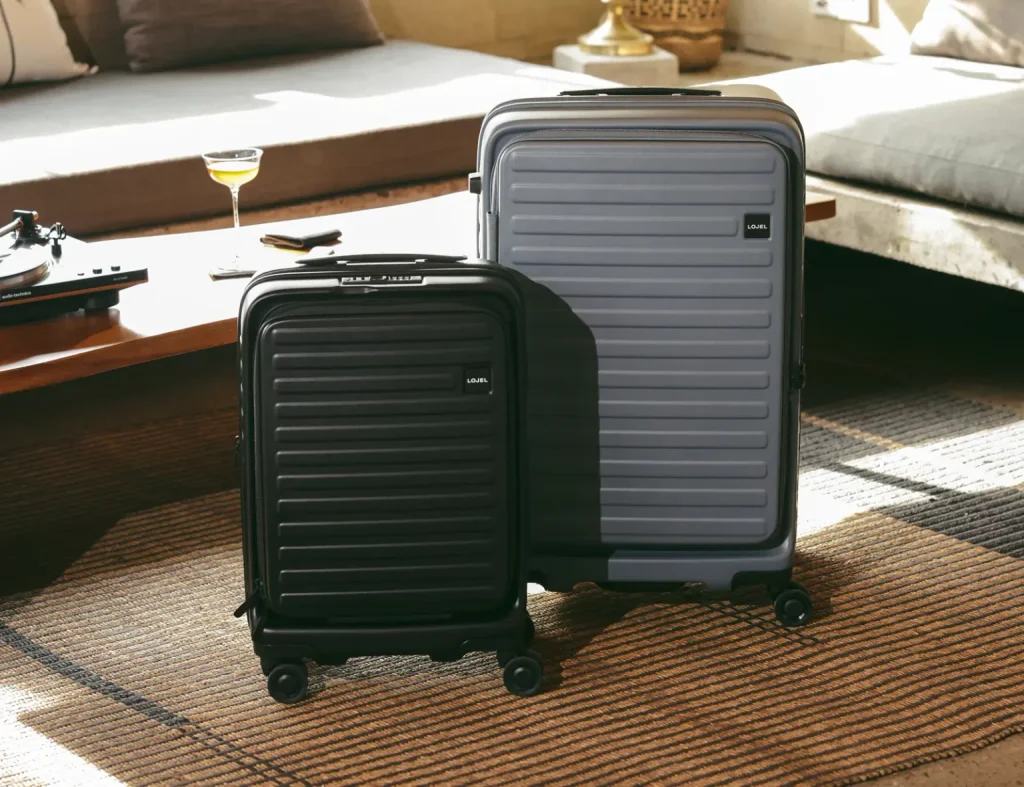
Look for a carry-on that makes airport days easier, not just one that fits the bin. The LOJEL Cubo carry-on, for example, has a front compartment for a laptop, chargers, and documents, so you can grab them at security without opening the whole suitcase, and it expands when you need extra room on the way home.
Before you buy any carry-on, check it against your airline’s size limit. Most U.S. airlines allow about 22 x 14 x 9 inches, including wheels and handles.
For most people, a carry-on is the foundation of a good luggage set.
A Medium Suitcase Is Great for Standard Vacations
The next most useful size is usually a medium checked suitcase. This is the bag that works well for vacations around four to seven days, especially when a carry-on feels too tight.
A medium suitcase gives you more breathing room without becoming too bulky. It is ideal for beach trips, city vacations, family visits, cruises, and work trips where you need multiple outfit options. It can also be easier to manage than a large checked suitcase because it is not as heavy once packed.
If you tend to overpack, a medium suitcase can help create a balance. You get enough space for what you need, but not so much room that you bring half your closet.
For many travelers, the most practical setup is one carry-on and one medium checked suitcase.
A Large Suitcase Is Best for Longer Trips and Families
A large suitcase is not always necessary, but it can be extremely useful for certain travelers. If you take long vacations, travel internationally, pack for multiple people, or need bulky clothing, a large suitcase can make packing much easier.
Large suitcases are especially helpful for winter travel because sweaters, jackets, boots, and cold-weather accessories take up more room. They also work well for family trips where one larger bag can hold shared items, extra shoes, or backup clothing.
The downside is that large suitcases can get heavy quickly. Airline weight limits still matter, and a suitcase that is too full can become difficult to move. If you choose a large suitcase, look for smooth spinner wheels and a durable handle so it is easier to manage.
A large bag is not the piece you will use for every trip, but when you need it, you will be glad you have it.
How Many Pieces Do You Actually Need?
For most people, a three-piece luggage set is a smart starting point. It usually gives you a carry-on, a medium suitcase, and a larger checked bag. That covers most common travel situations without going overboard.
A three-piece set works well if you are a solo traveler, a couple, or someone who wants a flexible luggage setup for different trip lengths. You can use the carry-on for short trips, the medium bag for standard vacations, and the larger suitcase for longer getaways.
A six-piece set makes more sense if you travel often, travel with family, like matching luggage, or want more packing options. Larger sets can include extra pieces that help with organization, shared packing, or separating different types of items.
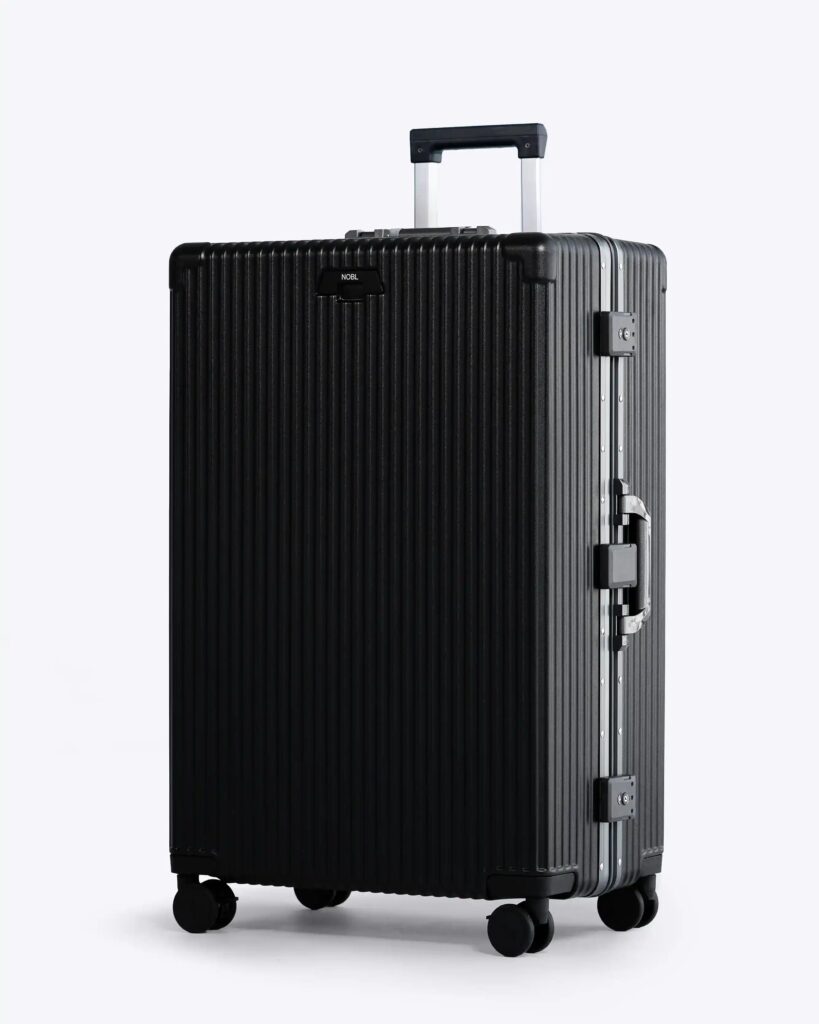
If you’d rather buy everything at once so it matches, NOBL Travel is a good place to look. It sells bundled sets with a carry-on, a 28-inch check-in, and a weekender bag in more than a dozen colors, and it offers a lifetime warranty and a 100-day trial, so you can take it on a real trip before deciding to keep it.
For example, one person might use a smaller bag for shoes and toiletries while another uses the larger suitcase for clothing. Families can divide luggage by person, category, or destination. A six-piece set can also be helpful if you like having backup bags for road trips, cruises, moving between hotels, or bringing items home from vacation.
The best number of pieces depends on how often you travel and how much flexibility you want.
Hard Shell vs. Soft Shell Luggage
Hard shell luggage has become very popular because it looks clean, modern, and structured. It can help protect items from bumps during travel and is often easier to wipe clean. Hard shell suitcases also tend to hold their shape well, which can make them feel more organized.
Soft shell luggage can be more flexible and may offer exterior pockets, which some travelers prefer. However, hard shell luggage is often the better choice for people who want a sleek look and stronger protection for packed items.
For travelers who care about durability and style, a hard shell set is usually a good direction.
Details That Make Luggage Easier to Use
The size of your luggage matters, but the details matter too.
Spinner wheels are one of the biggest upgrades. A suitcase with smooth spinner wheels is much easier to move through airports, hotels, sidewalks, and parking lots. Instead of dragging the bag behind you, you can roll it beside you with less effort.
A TSA-approved lock is also helpful, especially for checked bags. It adds a layer of security while still allowing TSA agents to inspect luggage if needed.
How a suitcase opens matters too. Most split down the middle like a clamshell, which takes up a lot of floor space in a small hotel room. Some, like LOJEL’s Cubo check-in, open from a flat top instead, so you can pack and unpack with the bag standing up. Interior pockets help as well; Cubo has nine, including a padded tech pocket.
A quality zipper matters more than people realize. Cheap zippers can snag, split, or become frustrating when the suitcase is full. A stronger zipper helps the luggage feel more reliable over time.
Lightweight construction is also important. A suitcase that is heavy when empty becomes even harder to manage once packed. Lightweight luggage gives you more usable packing weight before you hit airline limits.
Match Your Luggage to Your Travel Style
A person who takes mostly weekend trips may only need a carry-on and a personal item. Someone who takes one big vacation every year may benefit from a three-piece set. A family that travels often may get more value from a six-piece set because it gives everyone more options.
If you travel by car more than by plane, you may care less about carry-on restrictions and more about easy packing. If you fly often, airline size and weight limits matter more. If you take cruises, a mix of carry-on and checked luggage can be useful because you may want essentials with you before your larger bags arrive.
The point is to choose luggage around your real habits, not an imaginary version of how you travel.
Final Thoughts
The right luggage set should make travel feel easier from the moment you start packing. A carry-on is the most essential piece for short trips and travel-day must-haves. A medium suitcase is great for standard vacations. A large suitcase is helpful for longer trips, families, and bulkier packing needs.
For many travelers, a three-piece set offers the best balance. For families or frequent travelers, a six-piece set can provide more flexibility and better organization.
Start with the size you’ll use most, usually a carry-on, then add a medium or large checked bag based on how long you travel and how many people you pack for.
In the end, choosing luggage is not just about size. It is about making every trip smoother, more organized, and less stressful. When you have the right pieces ready to go, packing becomes simpler, travel days feel easier, and you can focus more on the trip itself.
Thank you for reading this post, don't forget to subscribe to our newsletter!