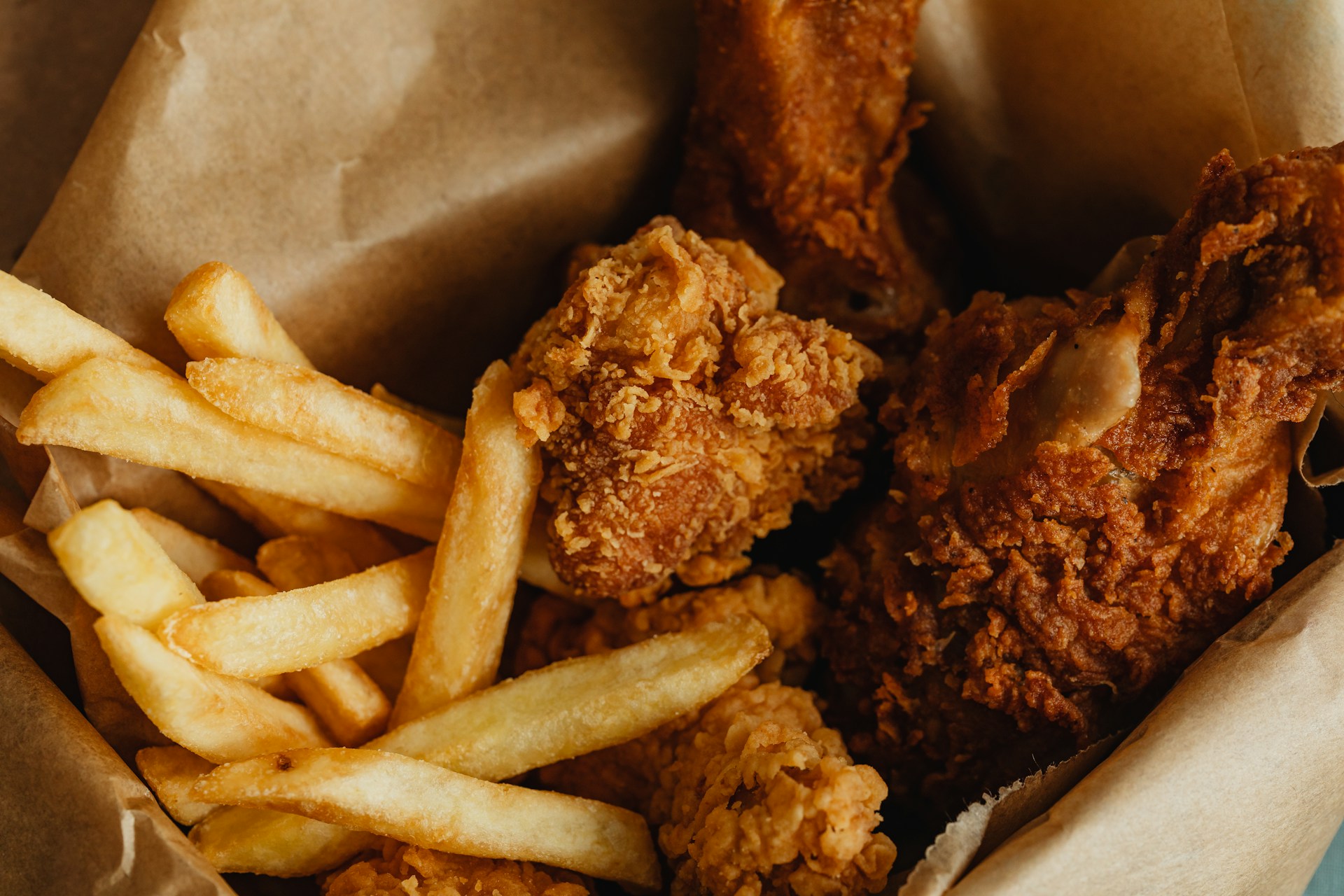
Frozen snacks are one of the easiest ways to make something satisfying without doing a full grocery run, chopping ingredients, or spending an hour in the kitchen. Whether it is fries, mozzarella sticks, chicken tenders, pizza rolls, tater tots, wings, onion rings, or frozen appetizers, freezer snacks are built for convenience.
The only problem is that they do not always taste as good as they should.
That is why the way you cook frozen snacks matters. You do not need a deep fryer or a complicated recipe. You just need better heat, better airflow, and a few simple tricks that make frozen snacks taste less like a backup plan and more like something worth craving.
Start With Hot, Circulating Air
The reason frozen snacks often fall flat is moisture. Frozen foods release steam as they cook, and if that moisture has nowhere to go, it softens the outside. That is why the microwave is usually the worst option for anything breaded, fried, or meant to be crispy.
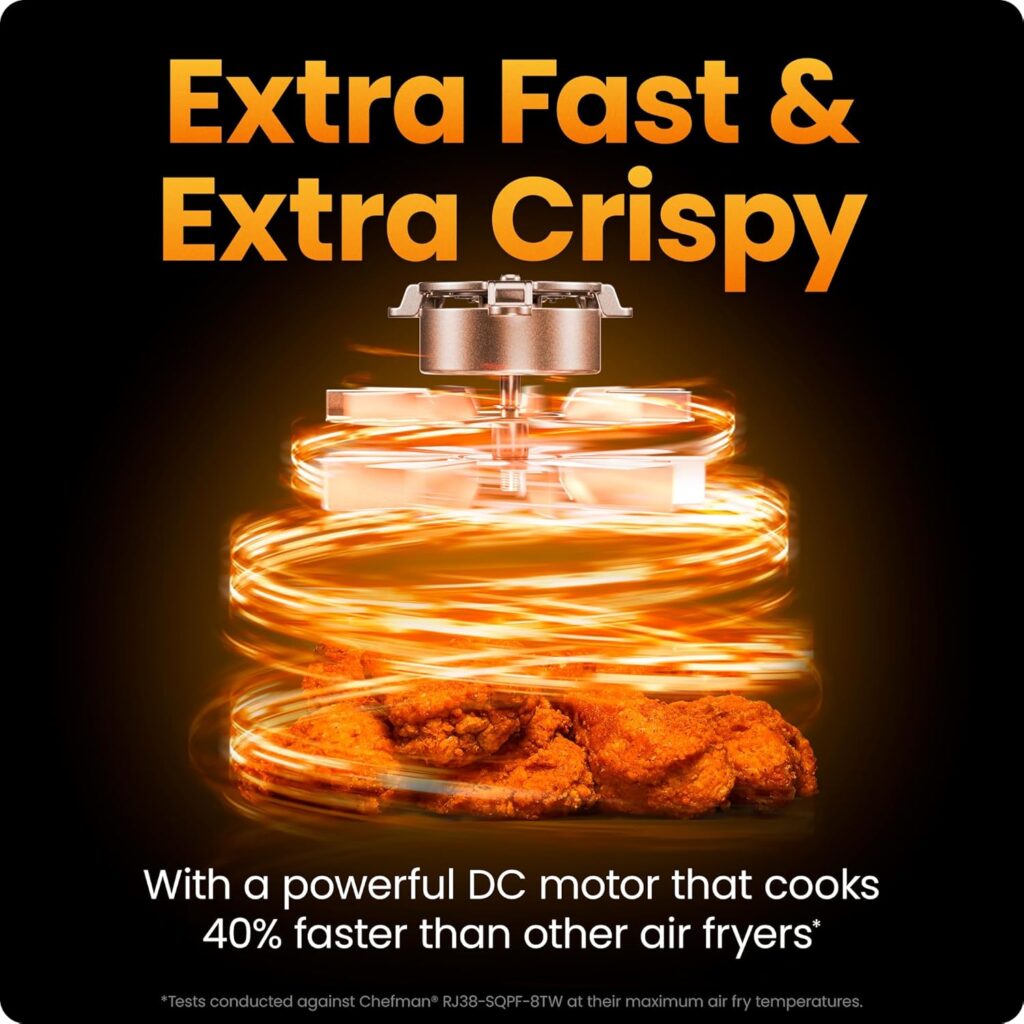
An air fryer solves that problem by using hot circulating air. Instead of surrounding food with steam, it moves heat around the food so the outside can brown and crisp while the inside warms through. This is especially helpful for frozen foods because many of them are already designed to have a crunchy exterior.
Fries, nuggets, chicken tenders, mozzarella sticks, egg rolls, taquitos, and tater tots all benefit from this style of cooking. The goal is not just to heat them. The goal is to bring back the texture that makes them enjoyable in the first place.
Do NOT Overcrowd the Basket
If you want crispier frozen snacks, space matters. One of the most common mistakes people make is dumping too much food into the basket at once. It may seem faster, but overcrowding blocks the airflow and causes uneven cooking.
When frozen snacks are stacked on top of each other, some pieces crisp while others stay soft. You may end up with hot food, but not the kind of golden, crunchy texture you actually want.
If your air fryer is too small and doesn’t fit much food, you might consider an air fryer with an extra-large basket.
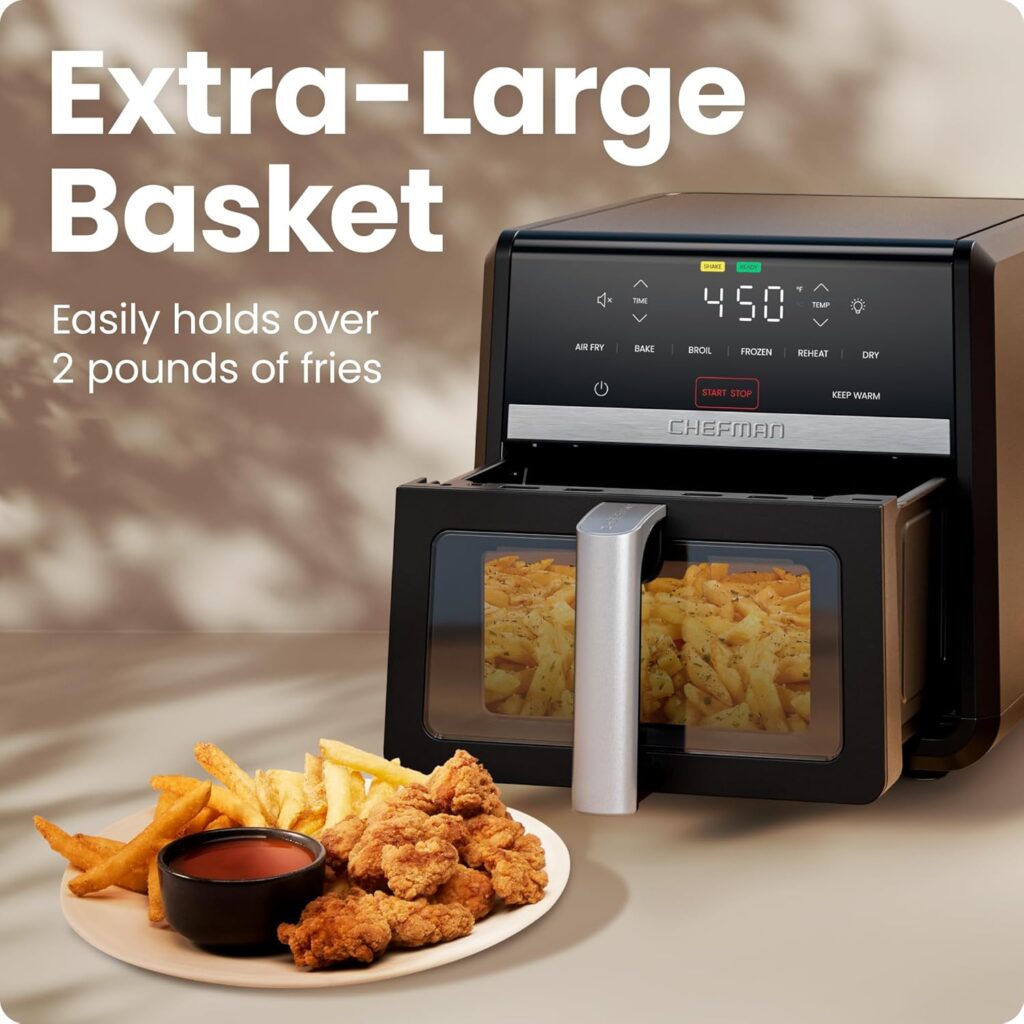

Chefman Air Fryer 9 Qt | XL Basket with Viewing Window | Air Fry, Bake, Broil, Reheat, Dehydrate, Defrost, Keep Warm
$119.99
$79.99
Buy Now
08/01/2026 06:38 am GMT
For the best results, arrange frozen snacks in a single layer when possible. A little overlap is fine, especially with fries or tater tots, but try not to create a packed pile. The more surface area exposed to hot air, the better the final texture.
If you are cooking for more than one person, it is usually better to cook in batches than to overload the basket. The extra few minutes are worth it if the food comes out crisp instead of soggy.
Shake or Flip Halfway Through
Even with hot airflow, frozen snacks usually cook better when they are moved around halfway through. Shaking the basket or flipping the food helps expose more sides to heat, which improves browning and texture.
For fries, tots, popcorn chicken, and small bites, a quick shake halfway through cooking is usually enough. For larger items like wings, chicken tenders, egg rolls, or frozen sandwiches, flipping with tongs works better.
This step is easy to skip, but it makes a noticeable difference. Food that sits in one position the entire time can brown unevenly. The side facing the basket may crisp faster, while the top side stays pale or soft. A quick shake or flip helps everything cook more evenly.
Use the Right Temperature
Frozen snack packages often include oven directions, but those instructions are not always ideal for crispiness. Ovens take longer to heat and cook differently than air fryers, so frozen snacks often need shorter cooking times and a slightly adjusted temperature when made with circulating air.
Higher heat usually helps create a crispier exterior, but you still want to avoid burning the outside before the inside is hot. For many frozen snacks, cooking somewhere around 375°F to 400°F works well. Some foods can handle higher heat, especially if they are thicker or meant to get extra crispy.
The best approach is to start with the package’s air fryer directions if they are listed. If there are no air fryer instructions, use the oven directions as a rough guide, reduce the time, and check early. It is always easier to add a few more minutes than to rescue overcooked food.
The Air Fryer That Makes Frozen Snacks Easier
If frozen snacks are a regular part of your weeknight routine, game day setup, or lazy dinner plan, the right air fryer can make a big difference. The Chefman Air Fryer 9 Qt TurboFry 7-in-1 is a strong option because it is built for faster, crispier cooking with a family-sized basket and multiple functions that go beyond basic air frying.
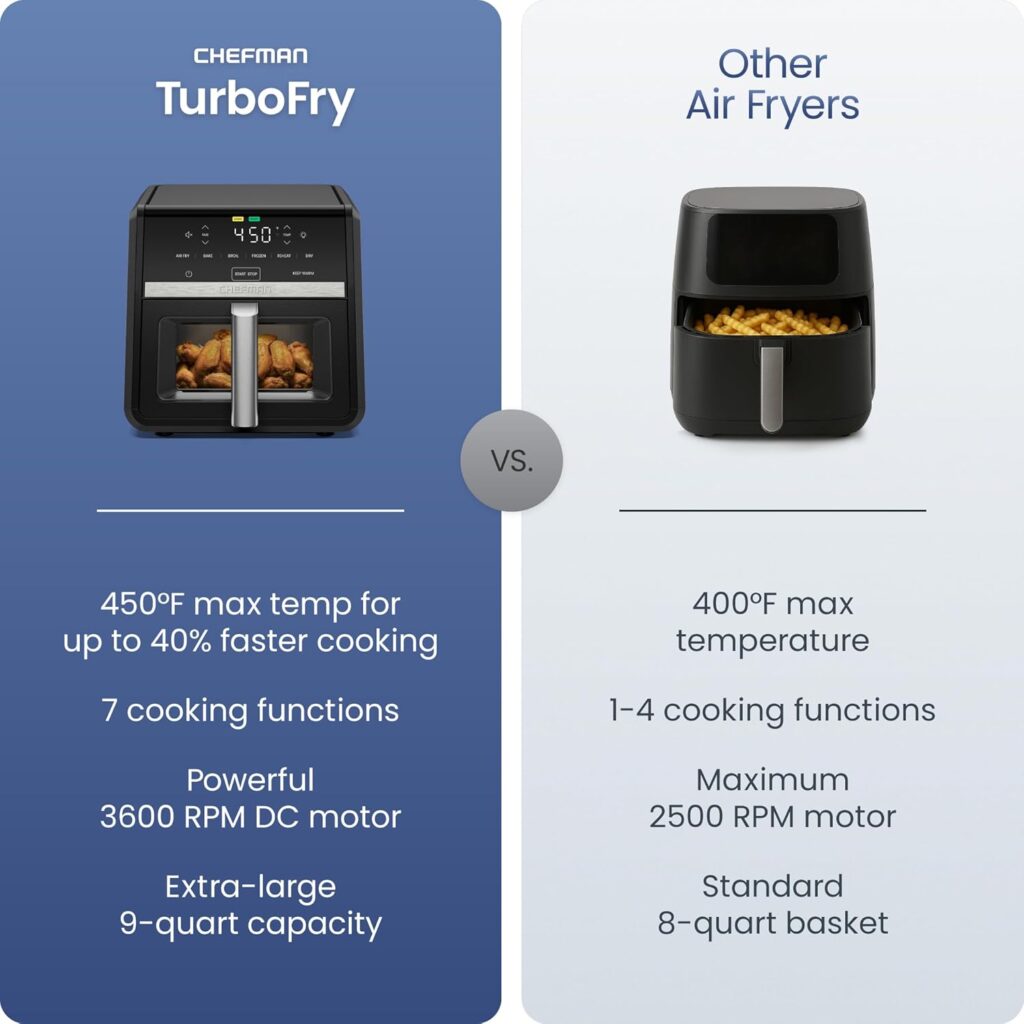
One of its standout features is the high-tech DC motor that powers its supercharged convection cooking. It is designed to cook up to 40% faster than other air fryers and reaches up to 450°F, which is helpful when you want frozen snacks to come out crisp on the outside and juicy or tender inside. The 9-quart XL basket also makes it easier to cook bigger portions for families, parties, or snack-heavy nights without crowding everything into a tiny space.
The “Frozen” function is especially useful for freezer foods like mozzarella sticks, chicken tenders, tater tots, and fries. It starts at a lower temperature to help defrost, then automatically crisps the food to a golden-brown finish. That makes frozen snacks feel more foolproof because you are not guessing as much with time and temperature.
It also includes seven cooking functions: Air Fry, Broil, Dehydrate, Convection Bake, Reheat, Keep Warm, and Cook Frozen Foods. The viewing window lets you check progress without constantly opening the basket and losing heat, while the shake reminder helps with even crisping. For cleanup, the nonstick basket and rack are top-rack dishwasher safe, which matters when you want crispy snacks without making the kitchen feel like a project.
Let Food Cook Long Enough to Brown
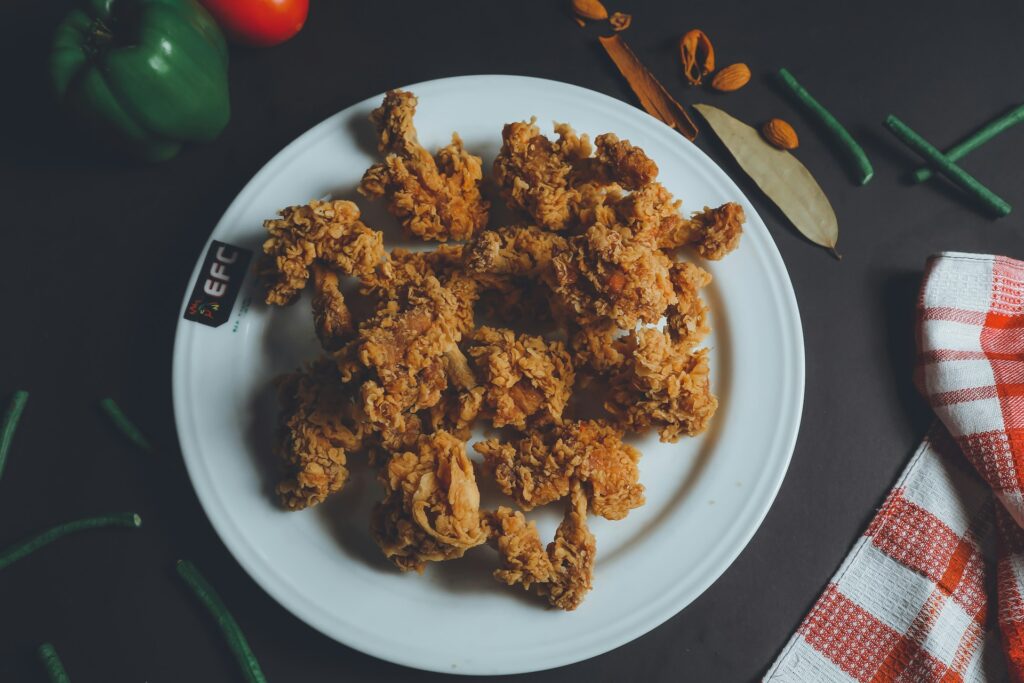
One reason frozen snacks sometimes taste bland is that they are pulled too soon. They may technically be hot, but they have not had enough time to brown. Browning is what gives many frozen snacks their better flavor and texture.
That does not mean you should overcook them. It simply means you should look for color and crispness, not just heat. Fries should look golden. Tots should feel crisp on the outside. Chicken tenders should have a firmer coating. Mozzarella sticks should be hot inside but not exploded all over the basket.
The viewing process matters. Check food near the end of cooking and add extra time in small increments if needed. Sometimes two extra minutes can take a snack from average to much better.
Add Seasoning After Cooking
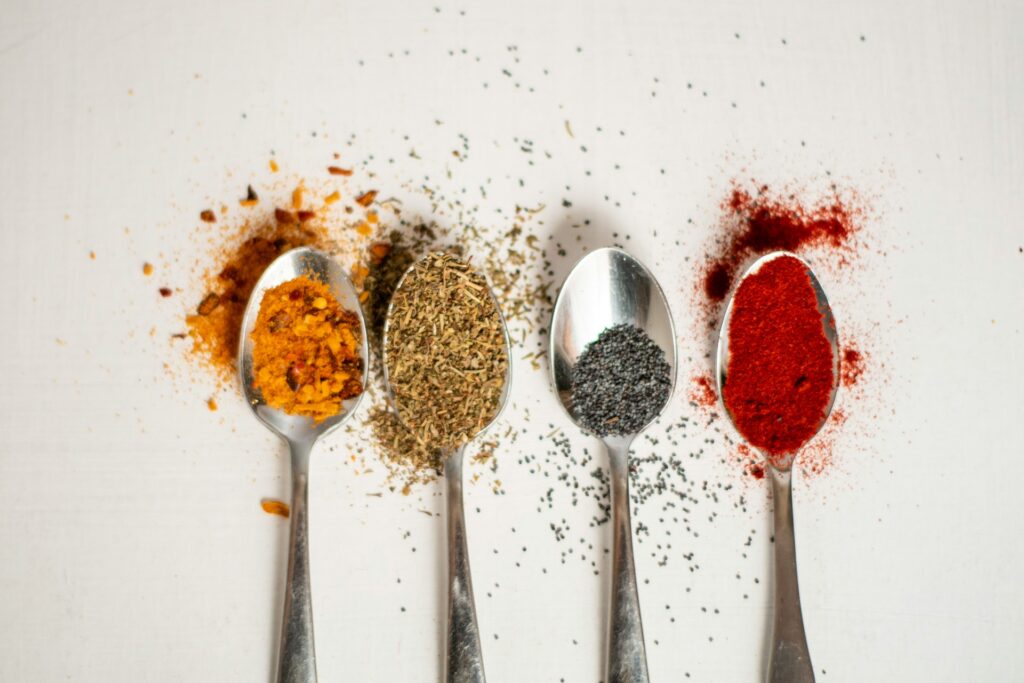
Frozen snacks are convenient, but they can taste a little flat on their own. One easy way to make them more delicious is to add seasoning right after cooking, while they are still hot.
Frozen fries can be upgraded with garlic powder, parmesan, black pepper, ranch seasoning, Cajun seasoning, or a little chopped parsley. Tater tots can get the same treatment. Chicken tenders can be tossed with buffalo sauce, honey mustard, barbecue sauce, or a little hot honey. Frozen wings can be cooked plain first, then sauced after they are crispy so the outside does not get soggy too soon.
Even a tiny finishing touch can make freezer snacks feel more like something you planned instead of something you grabbed.
Use Better Dips and Sauces
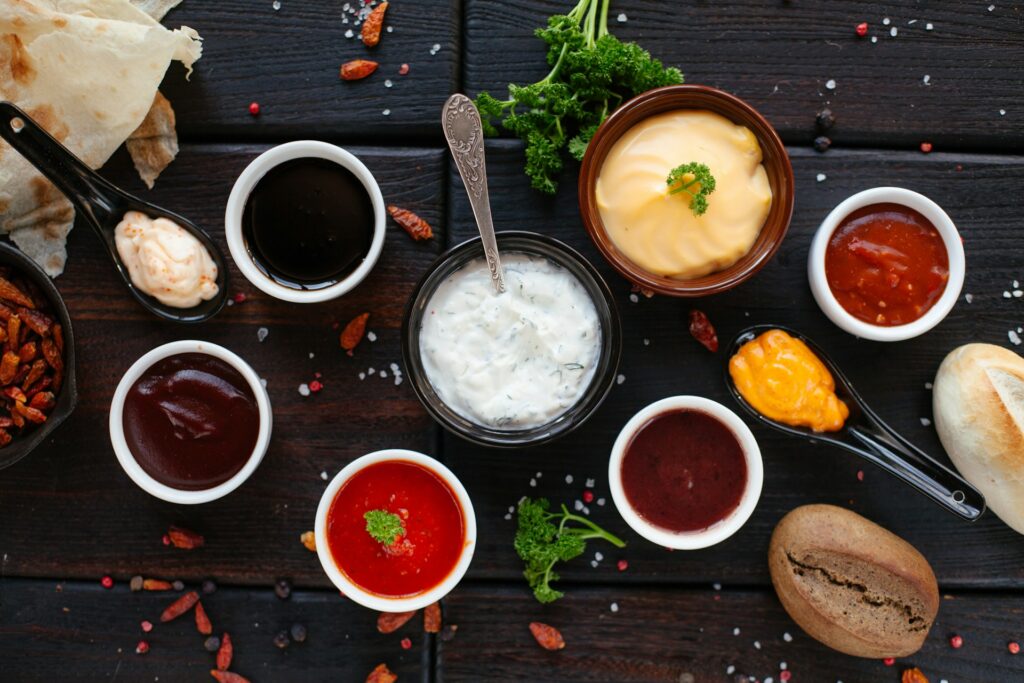
Sometimes the easiest way to upgrade frozen snacks is not by changing the snack itself, but by changing what you serve with it. Good dips make simple foods feel more complete.
Mozzarella sticks are better with warm marinara. Fries feel more exciting with garlic aioli, spicy ketchup, ranch, or cheese sauce. Chicken nuggets and tenders can be served with honey mustard, buffalo ranch, barbecue, or sweet chili sauce. Egg rolls work well with sweet and sour sauce, soy dipping sauce, or spicy mayo.
This is also a great way to make frozen appetizers feel party-ready. Put the snacks on a tray, add two or three dipping sauces, and suddenly basic freezer foods feel like a casual spread.
Reheat Leftovers Instead of Microwaving Them
Frozen snacks are not the only foods that benefit from crisping. Leftovers can also taste much better when reheated with hot air instead of a microwave.
Pizza, fries, wings, fried chicken, quesadillas, garlic bread, and leftover appetizers often come back to life when reheated this way. The microwave can make them soft or chewy, but hot circulating air can bring back some of the original texture.
This is especially useful when you order takeout and have leftovers the next day. Instead of accepting soggy fries or limp pizza crust, reheating properly can make the food feel much closer to fresh.
Turn Frozen Snacks Into Easy Meals
Frozen snacks do not have to stay snacks. With a few small additions, they can become quick meals.
Chicken tenders can turn into wraps, sandwiches, or salad toppers. Frozen fries can be loaded with cheese, protein, and sauce. Fish sticks can become easy tacos. Frozen meatballs can go into toasted rolls. Taquitos can be served with guacamole, salsa, and a simple side salad. Crispy hash browns can become part of an easy breakfast plate.
The trick is to use the frozen item as the base, then add something fresh or flavorful. A little lettuce, sauce, cheese, herbs, vegetables, or a better side dish can make the whole meal feel more intentional.
Keep Snacks Warm When Serving More Than One Batch
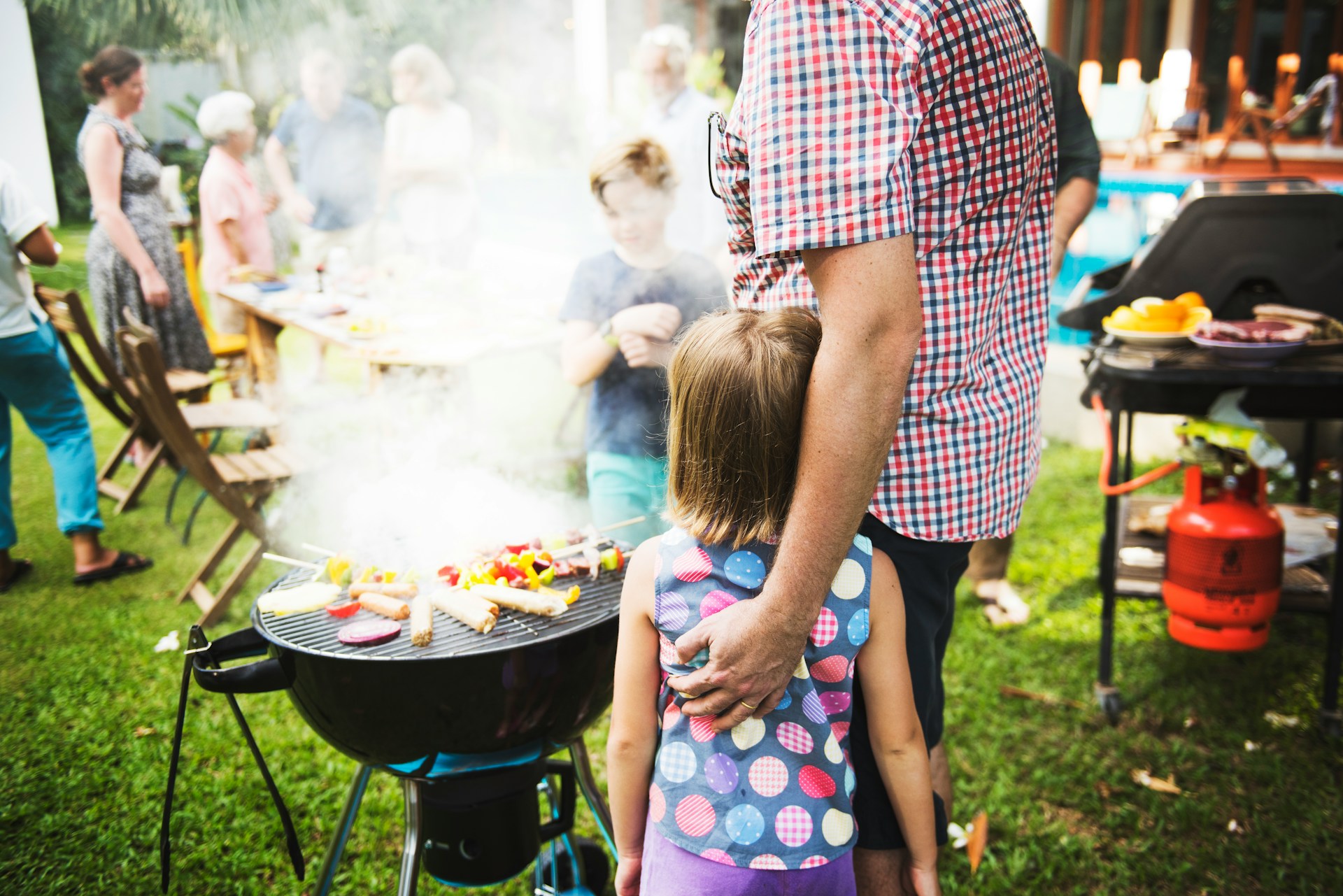
If you are cooking frozen snacks for a group, timing can get annoying. The fries may be done before the wings. The mozzarella sticks may cool down while the tenders are still cooking. This is where keeping food warm matters.
When serving multiple batches, place finished snacks somewhere warm while the rest cooks. Just be careful not to trap steam, because steam can soften the crispy exterior. If you cover food tightly, it may lose its crunch. A loose cover or warm setting works better than sealing everything in a closed container.
For casual hosting, this makes a big difference. People want snacks that are hot and crisp, not room-temperature and soft.
Final Thoughts
Frozen snacks are convenient, but they can taste a lot better with the right cooking method. The difference between soggy and crispy often comes down to airflow, spacing, temperature, and timing.
Avoid overcrowding the basket. Shake or flip food halfway through. Cook long enough to get color and texture. Add seasonings, dips, and small upgrades after cooking. Use leftovers wisely, and turn freezer snacks into easy meals when you need something fast.
The goal is not to make frozen food complicated. It is to make it better with less effort. With a good air fryer and a few simple habits, frozen fries, wings, mozzarella sticks, chicken tenders, tater tots, pizza rolls, and appetizers can come out crispier, faster, and more delicious at home.
Thank you for reading this post, don't forget to subscribe to our newsletter!