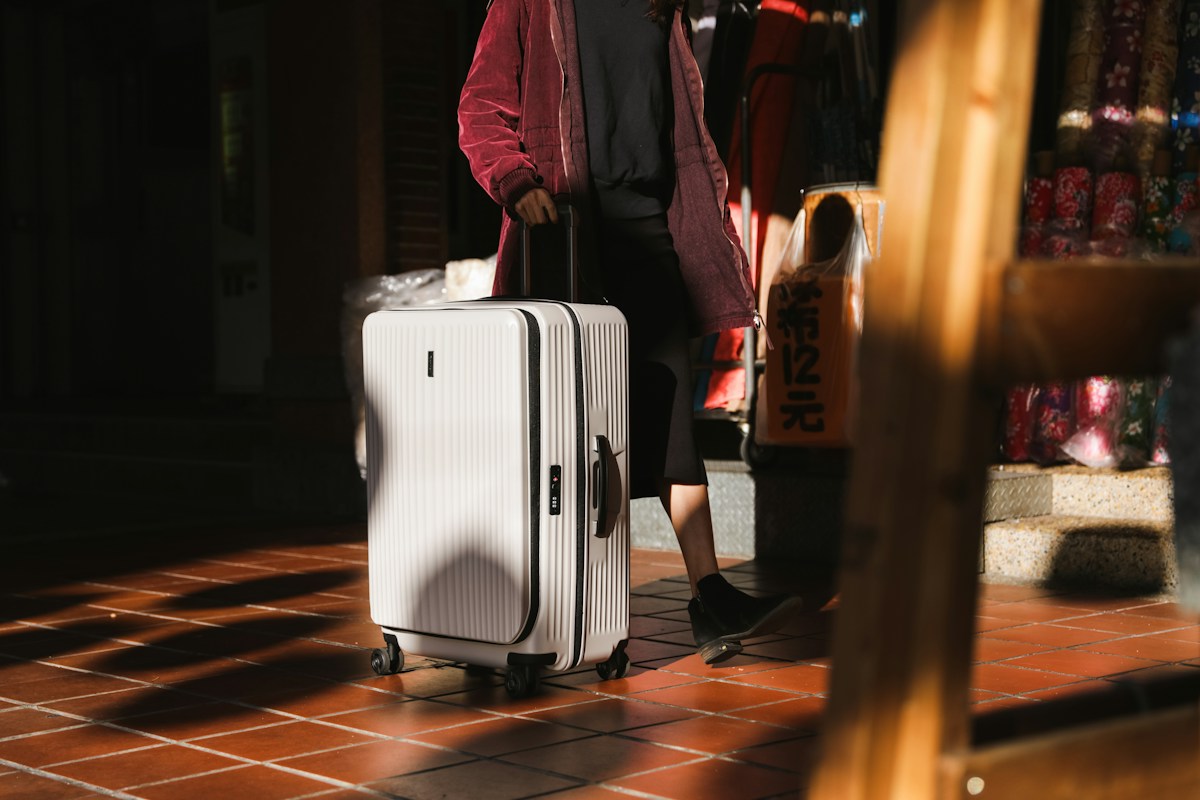
A cruise is one of the easiest vacations to take once you’re onboard: your room, meals and entertainment all travel with you. The stress usually comes before you leave, from picking a ship, timing the booking and figuring out what’s actually included.
These tips walk you through each decision in order, with the details that save money and headaches.
1. Pick a Cruise Line That Fits How You Travel

Cruise lines are built for different crowds, so start with who’s coming and what you want to do all day.
Big-ship family lines have water slides, kids’ clubs, Broadway-style shows and lots of casual dining. Premium lines are quieter, with better food and more adults. Small-ship and luxury lines carry a few hundred guests, include more in the fare and reach smaller ports.
Traveling with kids? MSC Cruises is worth a look. Its ships have kids’ clubs split by age group, it often runs kids-sail-free promotions, and many of its Caribbean sailings stop at its own private island in the Bahamas.
2. Match Your Itinerary to the Season
The same destination can be a dream or a washout depending on the month. Here’s when each popular region is at its best:
| Destination | Best months | Typical trip |
|---|---|---|
| Caribbean & Bahamas | December–April | 3–7 nights |
| Mexican Riviera | October–April | 4–7 nights |
| Alaska | May–September | 7 nights |
| Mediterranean | April–October | 7–12 nights |
| Northern Europe & Norway | June–August | 7–14 nights |
Atlantic hurricane season runs June 1 to November 30, peaking August through October. Caribbean cruises still sail then and are often cheaper, but ships may swap ports to avoid storms, so buy travel insurance.
3. Book 9–12 Months Out and Compare Prices

Booking early gets you the widest choice of cabins, especially for summer, spring break and holiday sailings, when the best balcony rooms and family cabins go first.
Prices for the same sailing can differ from site to site, so compare before you pay a deposit. Cruises.com lets you search sailings from many cruise lines at once and filter by destination, departure port, date and trip length.
Watch for perks bundled with the fare, too: onboard credit, prepaid tips or a drink package can be worth more than a small price difference.
4. Wait for Last-Minute Deals if You’re Flexible

Cruise lines want every cabin full. Once the final payment deadline passes, usually 60 to 90 days before sailing, unsold cabins often drop in price.
This works best if you live near a port or can book cheap flights on short notice, and if you don’t care which cabin you get. CheapCruises.com focuses on deals, with a last-minute section and a rewards program that turns part of your booking into onboard spending money or cash back.
Read now: Expert Tips for Booking a Last-Minute Summer Cruise
5. Choose Your Cabin Carefully

Inside cabins are the cheapest and darkest (great for sleeping in). Oceanview adds a window. Balcony cabins give you private outdoor space, which matters most on scenic routes like Alaska and Norway. Suites add space and perks like priority boarding.
If you get seasick, book a cabin low and in the middle of the ship, where you feel the least motion. Check the deck plan before you pick a cabin, and avoid rooms right under the pool deck, buffet, theater or nightclub, which can be noisy late at night or early in the morning.
6. Fly In the Day Before
The ship won’t wait for a delayed flight. Arrive in your port city the day before departure, especially in winter or for a morning sailing.
Many port hotels offer park-and-cruise packages or shuttles to the terminal. A hotel night costs far less than missing the first stops of your trip.
7. Pack a Carry-On for the First Day
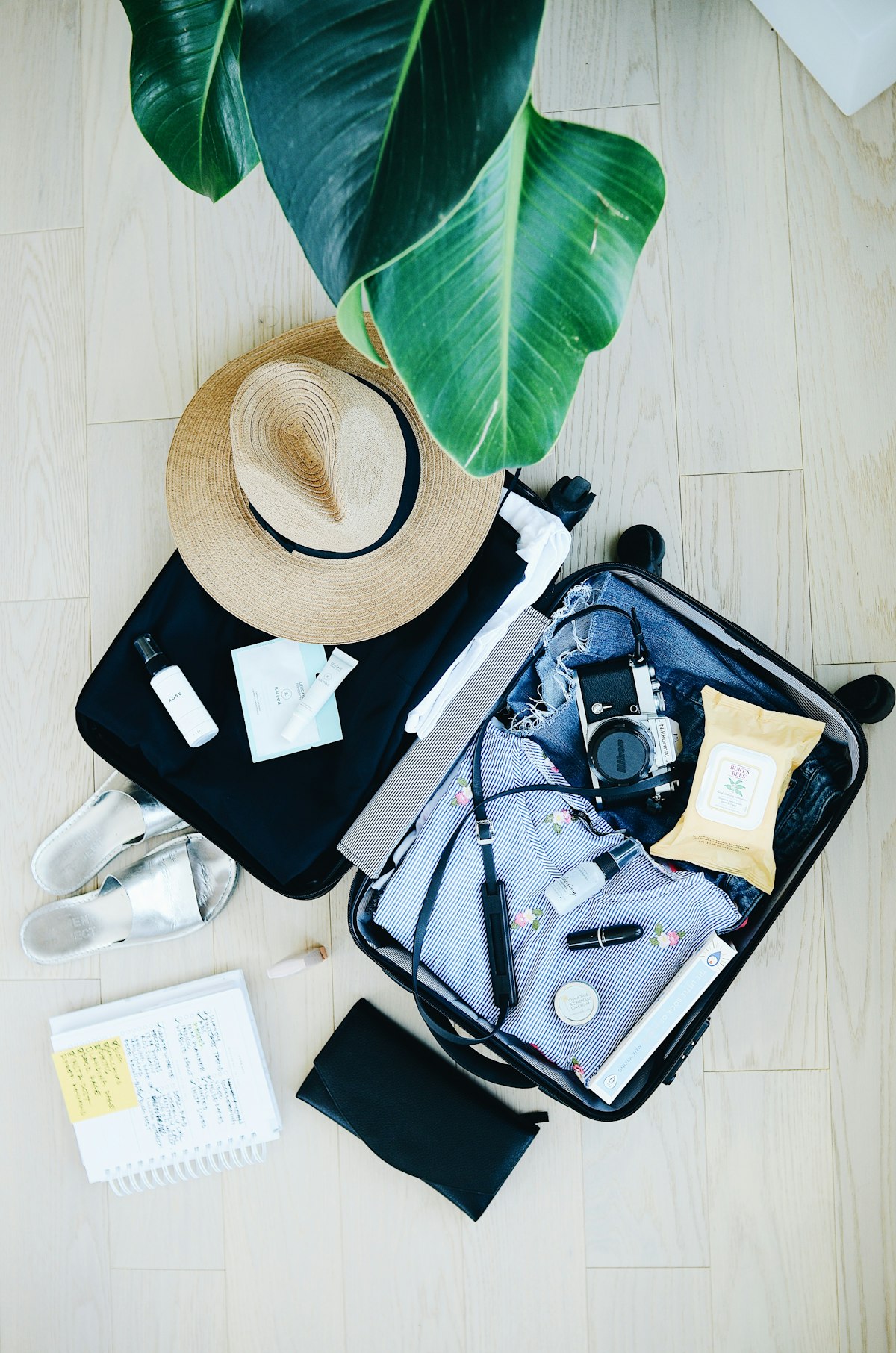
Porters take your big bags at the terminal, and they usually don’t reach your cabin until late afternoon. Keep what you need for the first few hours in a small bag you carry on yourself.
Embarkation-day carry-on checklist
☐ Passports or birth certificates and photo ID, plus your boarding pass
☐ Any prescription medication (enough for the whole trip)
☐ Swimsuit, sunscreen and sunglasses
☐ A change of clothes for dinner
☐ Phone charger (a USB cube, not a power strip)
☐ A refillable water bottle
Leave irons, candles and surge-protector power strips at home. Most cruise lines ban them and will hold them until the end of the trip.
8. Know What Costs Extra Before You Go
Your fare covers your cabin, the main dining room, the buffet, most entertainment and the pools. Plan a budget for the rest:
Daily gratuities are usually around $16–$20 per person, per day, added to your bill automatically. Drinks, including soda, specialty coffee and alcohol, are extra unless you buy a package. Wi-Fi, specialty restaurants, spa treatments and shore excursions are all paid separately.
Pre-booking packages online before you sail is often cheaper than buying them onboard, and many lines run sales on them in the weeks before departure.
Final Thoughts
Get the big decisions right first: a cruise line that suits your group, the right season for your destination and a booking window that fits your budget. After that, a carry-on with the essentials and a clear idea of the extra costs will take care of most of the stress.
Read now: Cruise Upgrades that Elevate Every Moment
Thank you for reading this post, don't forget to subscribe to our newsletter!