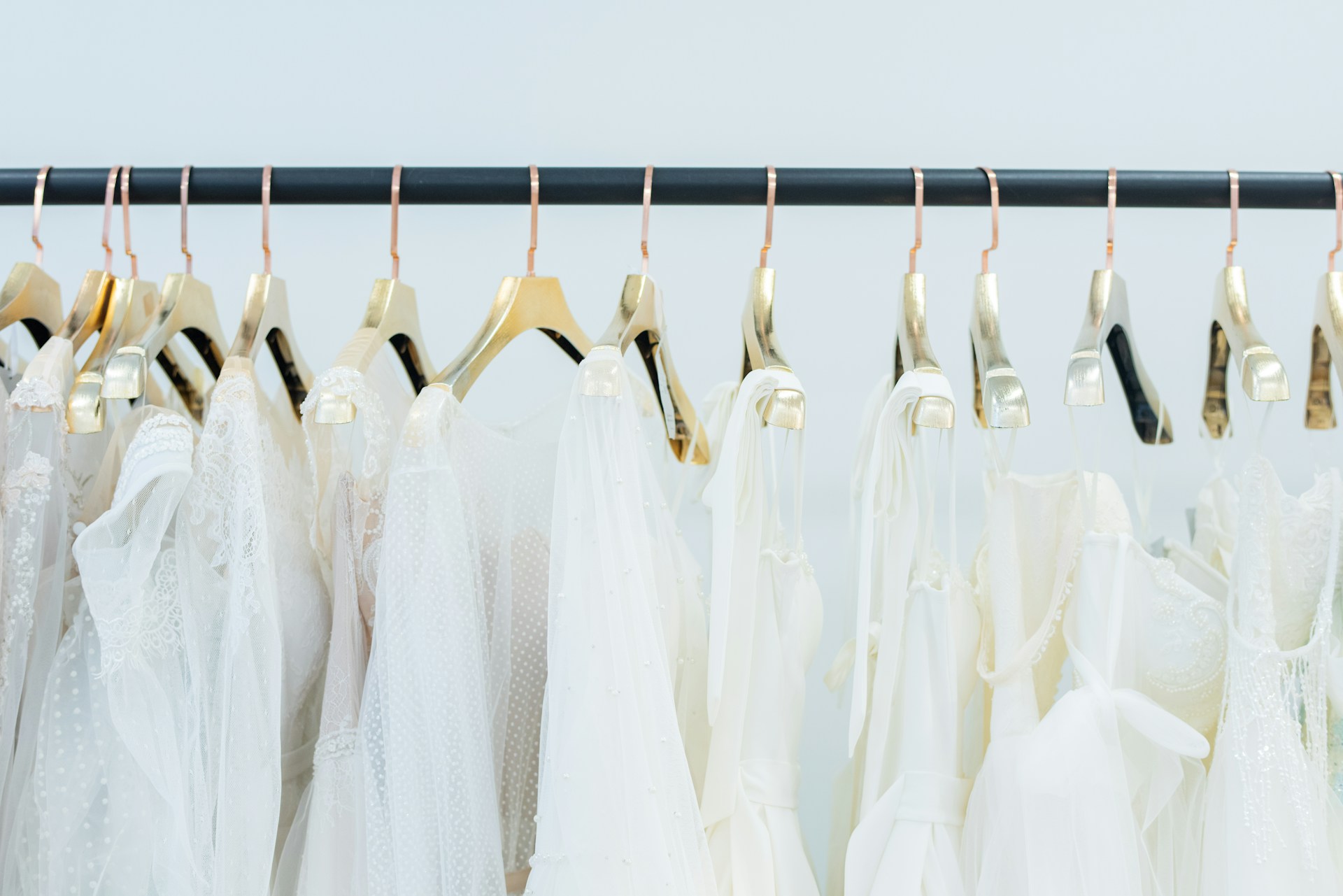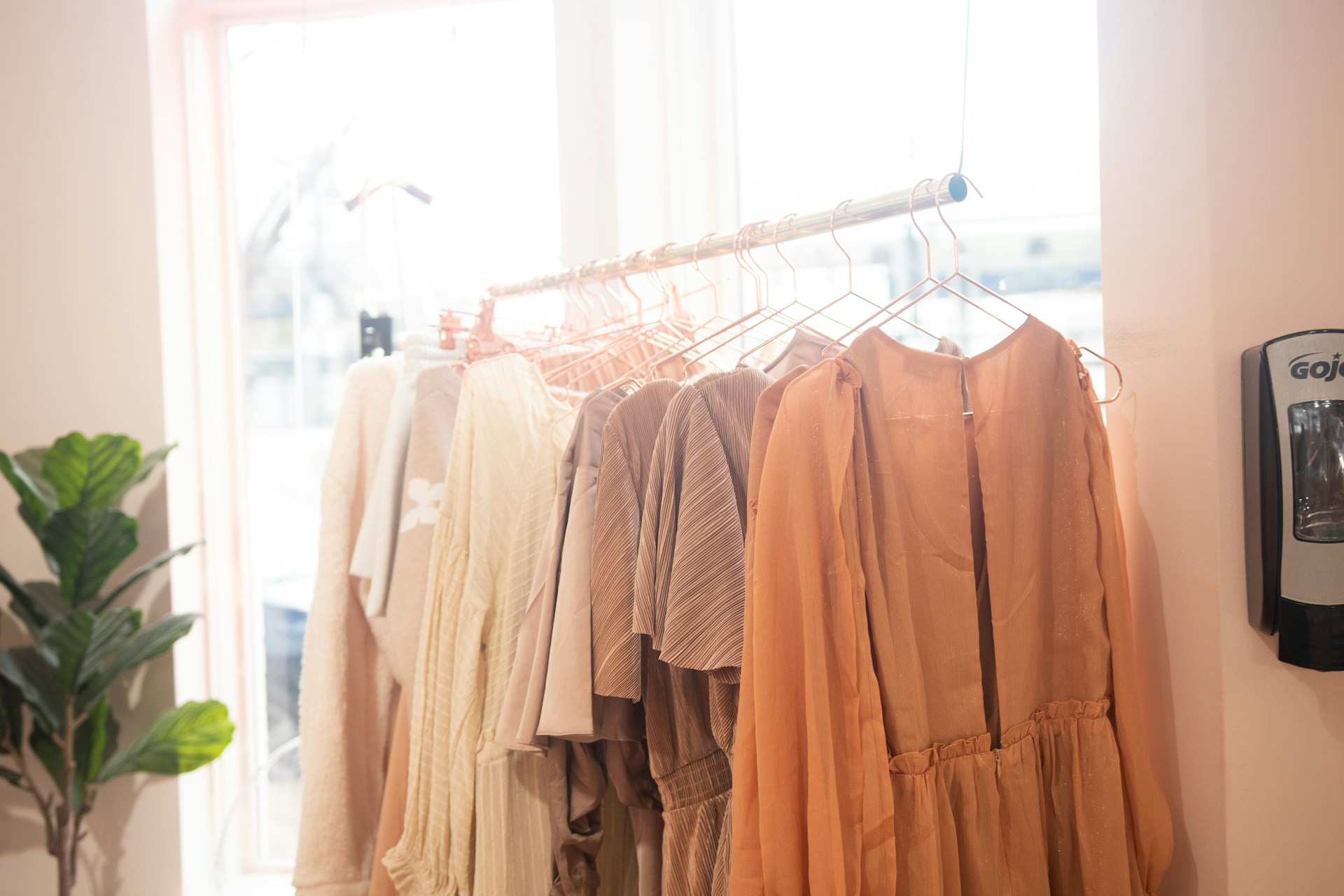
A great dress is one of the most powerful pieces in a wardrobe.
It requires no matching. No overthinking. No complicated styling formulas. You put it on, add shoes and minimal accessories, and you are ready.
But not all dresses are created equal. Some sit in your closet waiting for a specific event. Others become reliable staples you reach for again and again.
The most valuable dresses are versatile. They transition between seasons. They work for multiple occasions. They adapt to different styling choices. They make getting dressed feel effortless.
If you want a closet that works harder for you, these are the versatile dresses worth owning.

karen Kane
1. The Classic Black Dress
The little black dress is timeless for a reason.
It can be formal with heels and statement jewelry. It can be understated with flats and a structured blazer. It can even lean casual with clean sneakers and a denim jacket.
Look for a flattering but not overly tight silhouette, quality fabric that holds its shape, and a length that works for both day and evening.
The key to versatility is restraint. Avoid overly trendy cutouts or embellishments so the dress can evolve with your styling choices.
A black dress is not just for events. It is a foundation piece.

Karen Kane
2. The Everyday Knit Dress
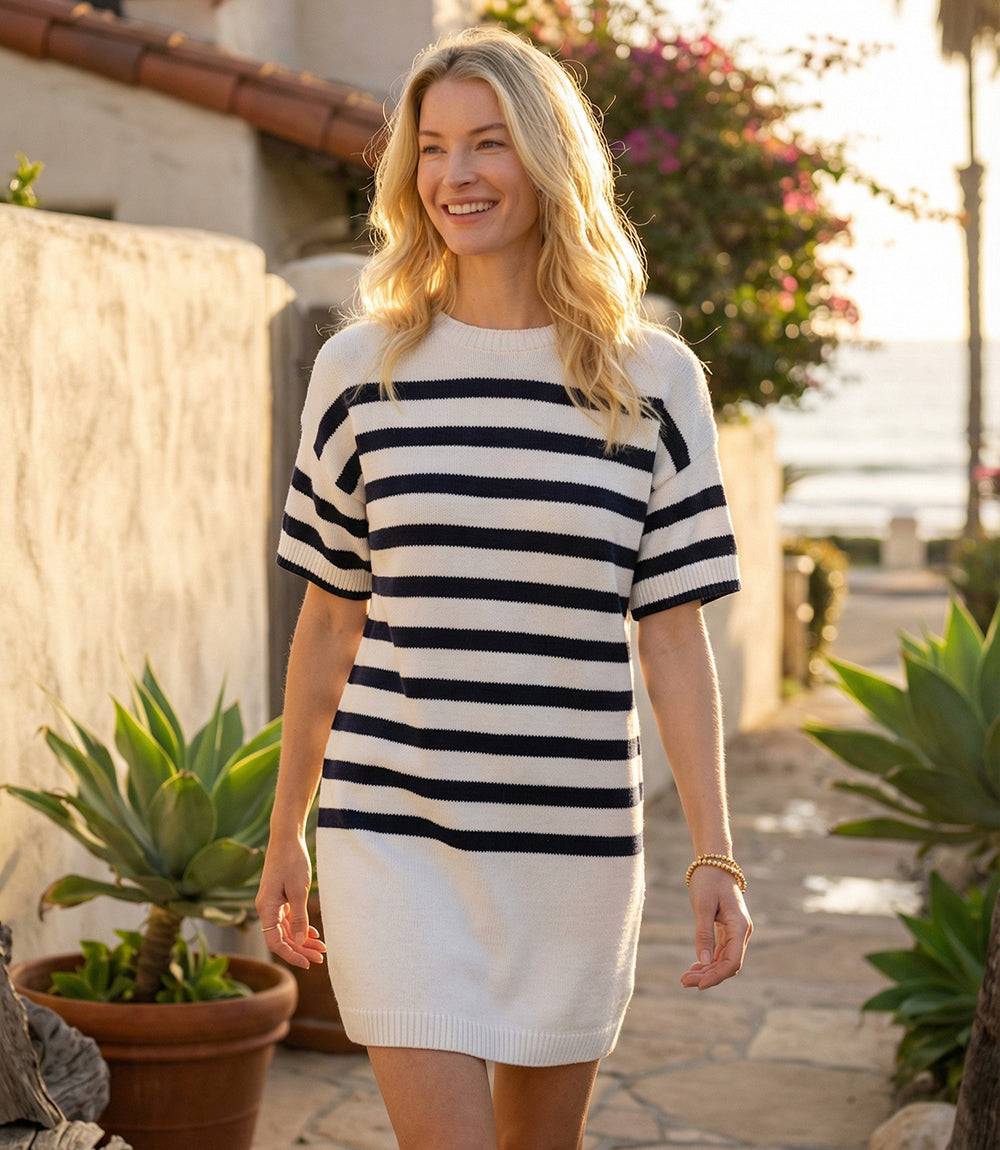
An everyday knit dress is one of the most wearable options you can own.
Soft, breathable fabric makes it comfortable enough for errands, work, or travel. With the right cut, it can also look polished and intentional.
Choose neutral shades like navy, charcoal, olive, or taupe. These colors layer well and transition seamlessly across seasons.
In cooler months, add boots and a long coat. In warmer months, pair with sandals or minimalist sneakers.
The beauty of a knit dress is that it feels effortless while still appearing put-together.
Karen Kane
3. The Wrap Dress
Few silhouettes are as universally flattering as the wrap dress.
The adjustable waist creates shape without restriction. The V-neckline elongates the torso. The soft drape flatters multiple body types.
A wrap dress works for work meetings, dinner dates, weddings, and travel days.
Choose subtle prints or solid colors for maximum versatility. A wrap dress with a refined pattern can easily shift from office to evening.
4. The Midi Dress
Midi dresses strike a balance between casual and sophisticated.
The longer length feels polished, while the relaxed cut keeps it comfortable. This makes the midi one of the most adaptable silhouettes.
Pair it with heels for formal events, flats for work, sneakers for weekend wear, or an oversized sweater layered on top for fall.
A neutral midi dress can easily become one of the hardest-working items in your closet.

Karen Kane
5. The Shirt Dress
The shirt dress blends structure and ease.
Its tailored elements give it a refined feel, while the relaxed fit makes it wearable throughout the day.
You can belt it for shape, leave it loose for a more relaxed vibe, layer it over slim trousers, or add boots for cooler months.
Because of its clean lines, the shirt dress is ideal for both professional and casual settings.
6. The Travel-Friendly Dress
Every closet benefits from one dress that travels well.
Wrinkle-resistant fabric. Breathable material. Easy movement.
This is the dress you can pack, wear all day, and restyle for dinner without feeling uncomfortable.
Soft stretch fabrics and thoughtful tailoring make a big difference here. Pieces that drape rather than cling tend to be more forgiving and easier to rewear in different ways.
7. The Statement-Neutral Dress
This is not a bold, trend-heavy piece. It is a dress with subtle character.
Maybe it has a unique sleeve detail. Maybe it features textured fabric. Maybe it has a slightly architectural cut.
It stands out, but it does not overwhelm.
These dresses add personality while remaining adaptable.
Why Fabric and Fit Matter Most
Versatility is not only about color or length. It is about how the dress moves and feels.
High-quality fabric maintains structure throughout the day. It resists wrinkling and holds its shape. It feels comfortable against the skin.
Fit should skim, not squeeze. A versatile dress leaves room for layering and different styling directions.
When fabric and fit work together, you have a piece you can wear repeatedly without it feeling tired.
An Example of Everyday Versatility
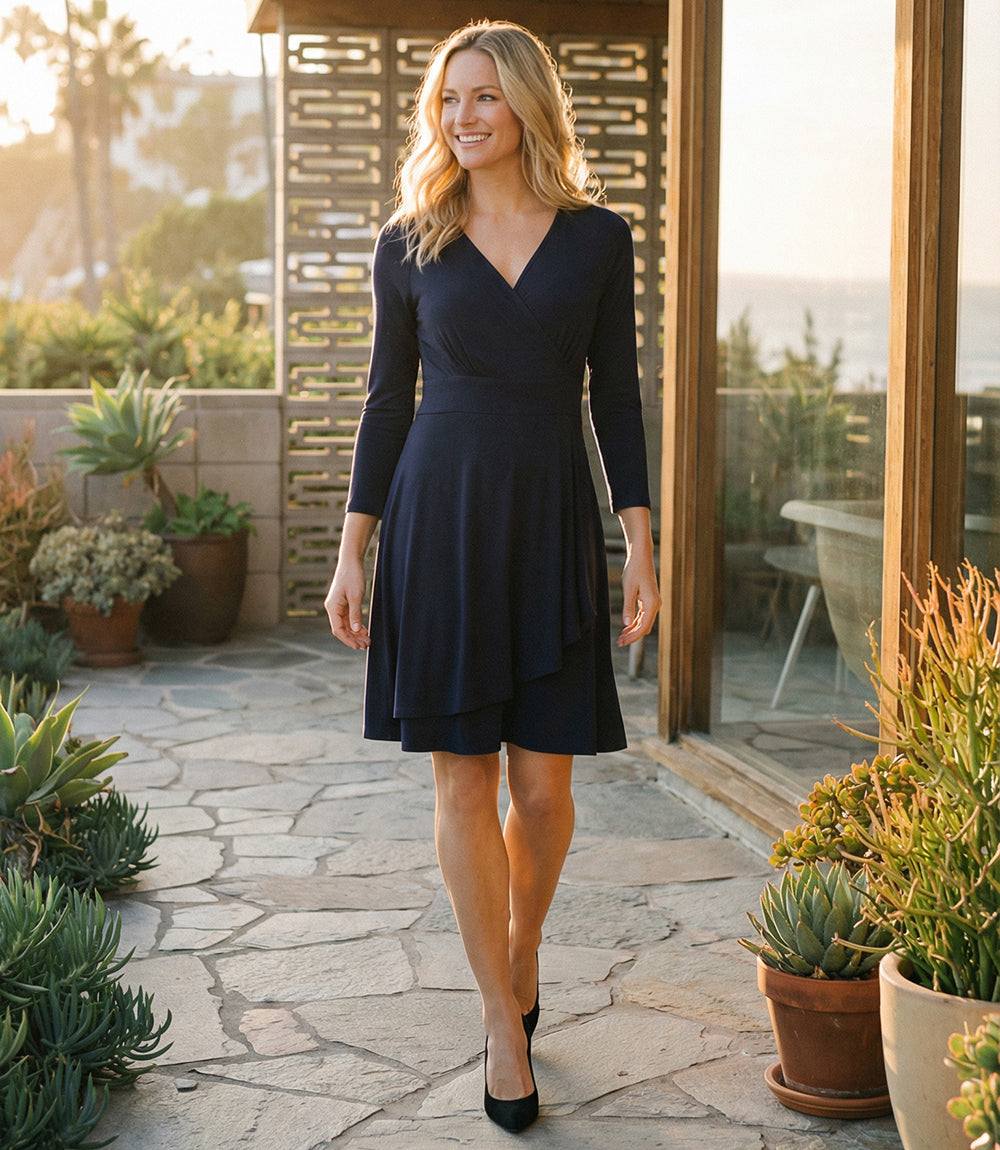
Brands that focus on wearable elegance often create pieces that naturally fit into this category of versatile dresses. For example, Karen Kane dresses are known for designs that combine soft, comfortable fabrics with flattering silhouettes that transition easily from day to night. Many of their dresses feature clean lines, subtle details, and neutral palettes that make them easy to restyle across seasons.
Pieces that emphasize comfort without sacrificing polish tend to become long-term wardrobe staples. A well-constructed dress in a refined cut can move from work to dinner to weekend plans simply by changing shoes and accessories. That balance of structure and ease is what makes certain versatile dresses truly valuable.
Karen Kane
How to Maximize Each Dress
Owning versatile dresses is only half the equation. Styling them intentionally makes them work harder.
Here are a few simple strategies.
Change the Shoes
Shoes completely transform a dress.
Heels elevate it instantly. Flats soften it. Sneakers make it casual. Boots add structure.
One dress can feel entirely different depending on what you pair with it.
Layer Strategically
Blazers, cardigans, denim jackets, and leather jackets all change the tone of a dress.
Layering extends seasonal wear and gives you more styling options.
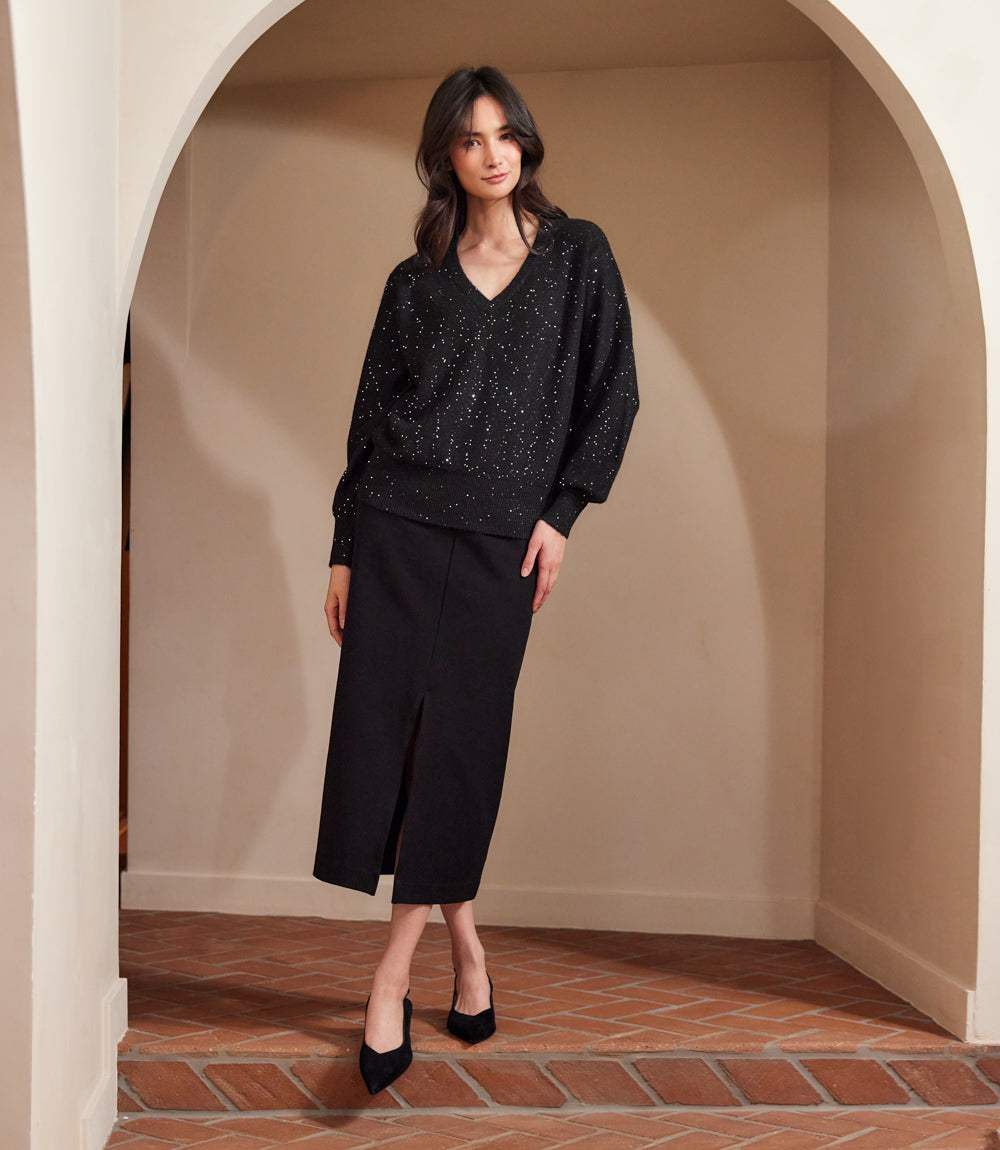
A sleeveless midi dress can become fall-ready with tights and boots. A lightweight wrap dress can transition into winter with a tailored coat.
Karen Kane
Adjust Accessories
Keep jewelry minimal for daytime. Add bold earrings for evening.
Swap a structured handbag for a clutch.
Small details create different impressions.
Belt It or Leave It
A belt adds shape and formality. Leaving a dress unbelted can create a relaxed silhouette.
Having the option to do both increases versatility.
The Power of a Dress-First Wardrobe
Some people build outfits from tops and bottoms. Others build them around dresses.
A dress-first wardrobe simplifies everything.
Instead of coordinating multiple pieces, you begin with one complete base. That efficiency makes getting dressed easier and often more elevated.
Versatile dresses reduce decision fatigue while increasing style impact.
Editing Your Closet
If you look at your closet and see dresses that only work for one very specific scenario, consider refining your collection.
Ask yourself: can I wear this in at least three different settings, can I style this for more than one season, and does it pair well with multiple shoe options?
If the answer is no, it may not be a versatile piece.
A smaller collection of adaptable dresses often serves you better than a large assortment of single-use items.
Final Thoughts
The most versatile dresses are not necessarily the flashiest.
They are the ones that feel good, fit well, and adapt easily. They move from weekday to weekend without stress. They transition from casual to refined with simple styling changes.
A classic black dress. A soft knit staple. A flattering wrap silhouette. A polished midi. A structured shirt dress.
When you build your wardrobe around these foundations, getting dressed becomes easier and more enjoyable.
Versatility is about freedom. The freedom to wear something more than once. The freedom to restyle. The freedom to feel confident without overthinking.
And when your closet works that seamlessly, every day feels a little more put-together.
Thank you for reading this post, don't forget to subscribe to our newsletter!