Getting invited to a wedding is exciting, but choosing what to wear can feel surprisingly stressful. Unlike a casual dinner, birthday party, or night out, a wedding comes with its own set of unspoken fashion rules. You want to look beautiful, polished, and photo-ready, but you also want to be respectful of the couple, the venue, the dress code, and the overall tone of the day.
That is where wedding guest dress etiquette comes in.
The goal is not to make dressing for a wedding feel complicated. It is actually the opposite. Once you understand the basic rules of what to wear and what to avoid, choosing an outfit becomes much easier. Instead of second-guessing every color, length, or silhouette, you can focus on finding a dress that feels elegant, appropriate, and comfortable enough to enjoy the celebration.
Whether you are attending a formal evening wedding, a beach ceremony, a garden party, or a cocktail reception, these are the wedding guest dress rules worth knowing before the big day.
Always Start With the Dress Code

The first rule of wedding guest fashion is to respect the dress code.
If the invitation says black tie, formal, cocktail, semi-formal, beach formal, garden party, or casual, that is your starting point. The couple has likely chosen that dress code to match the venue, theme, and level of formality they want for the event.
For a black-tie wedding, a floor-length gown or an elevated formal dress is usually the safest choice. For a formal wedding, you can still lean elegant, but you may have more flexibility with a long dress, midi dress, or sophisticated cocktail dress. Cocktail attire usually calls for a polished dress that feels festive but not overly dramatic. Semi-formal weddings are slightly more relaxed, though you should still avoid anything that looks too casual.
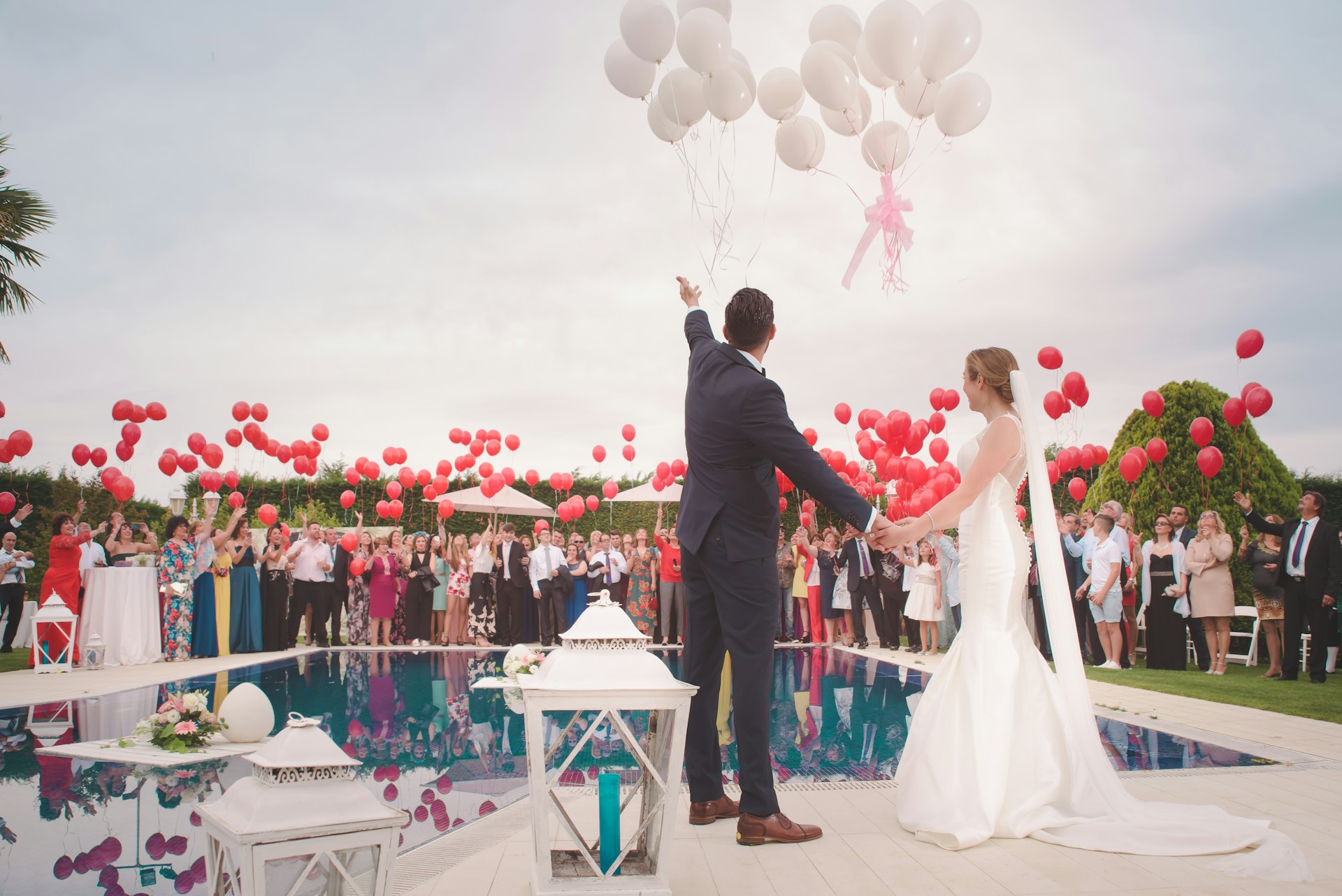
For beach, outdoor, or garden weddings, the setting matters. Lighter fabrics, softer colors, and flowy silhouettes often work well, but the outfit should still feel intentional. Even if the ceremony is outside, it is still a wedding, not a regular day at the beach.
If there is no dress code listed, look at the venue, time of day, and invitation style. A Saturday evening wedding at a ballroom will usually be more formal than a daytime backyard ceremony.
Avoid Wearing White or Anything Too Bridal
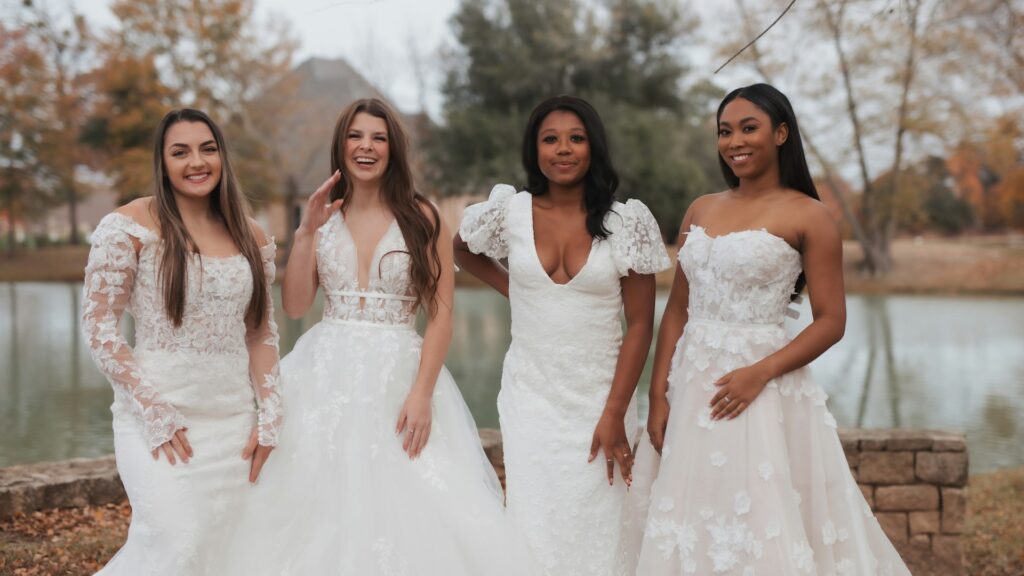
This is the rule most people know, but it is still worth repeating: avoid wearing white.
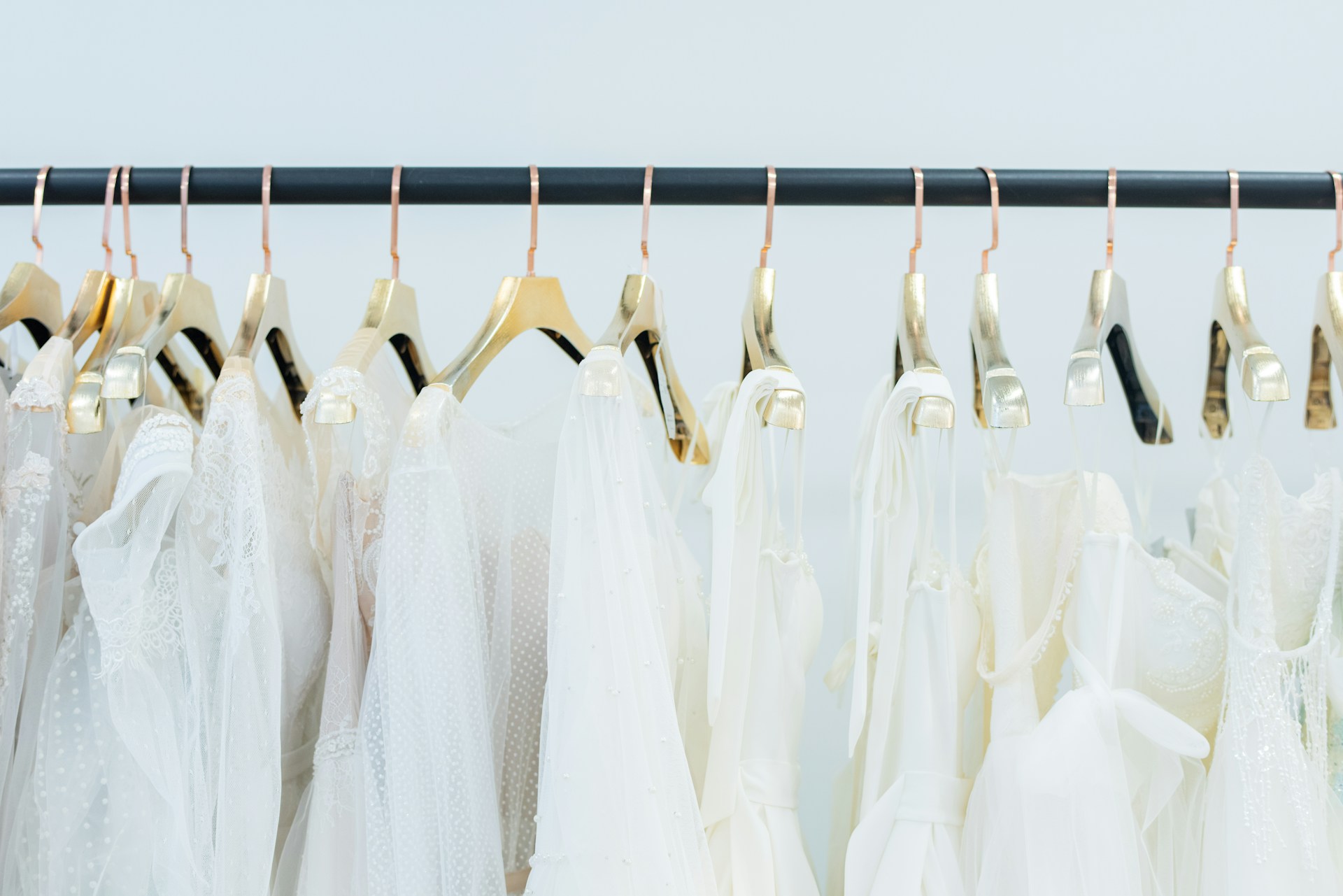
White, ivory, cream, champagne, and very pale blush can sometimes photograph too close to bridal, especially in certain lighting. Even if your dress does not look like a wedding gown in person, it may still feel too close to the bride’s color palette in photos.
The safest approach is to choose a color that clearly does not compete with the bride. There are so many beautiful wedding guest options, from navy and emerald to dusty blue, mauve, burgundy, sage, black, floral prints, and soft seasonal tones. There is no need to risk wearing a shade that could be mistaken for bridal.
This rule also applies to dresses with mostly white backgrounds, especially if the overall effect looks light or wedding-like. A small amount of white in a print is usually fine, but if you have to ask whether it is too white, it is probably better to choose something else.
Do Not Upstage the Bride
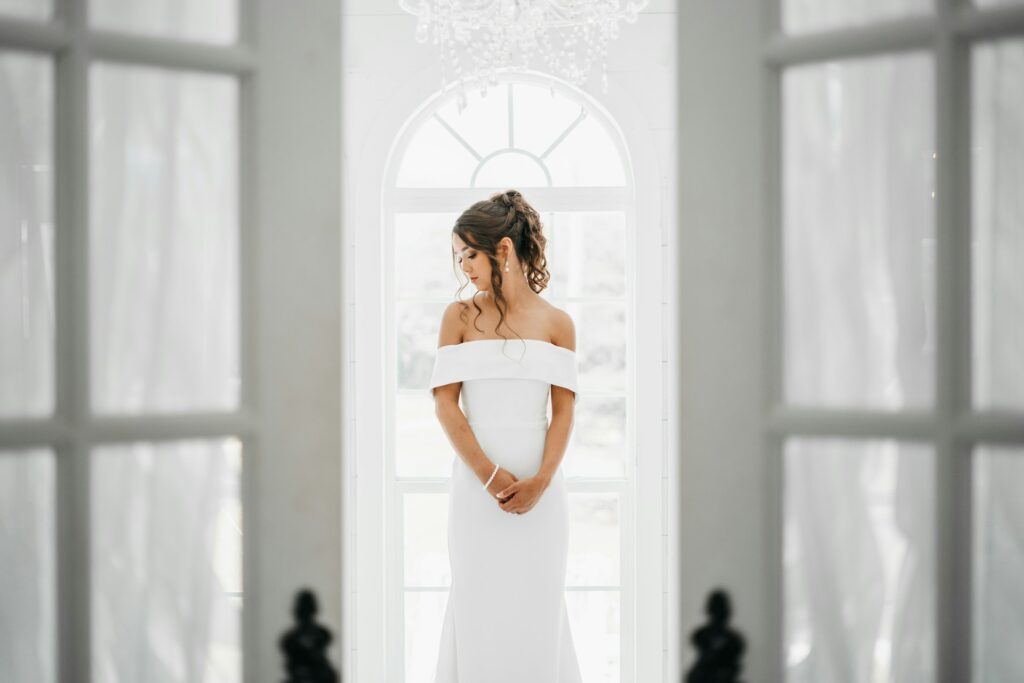
A wedding is one of the few events where the most attention should not be on the guest with the boldest outfit.
That does not mean you have to dress boring. You can absolutely wear something stylish, flattering, and memorable. The key is making sure your outfit does not feel like it is trying to compete with the bride or the bridal party.
Avoid dresses that are overly revealing, extremely flashy, or so dramatic that they become distracting. A heavily embellished gown, a plunging cutout dress, or a look that feels more like red carpet attire may not be the best choice unless the dress code clearly calls for that level of glamour.
Good wedding guest style is about balance. You want to look elegant and put together, but still appropriate for someone else’s celebration.
Consider the Venue and Season
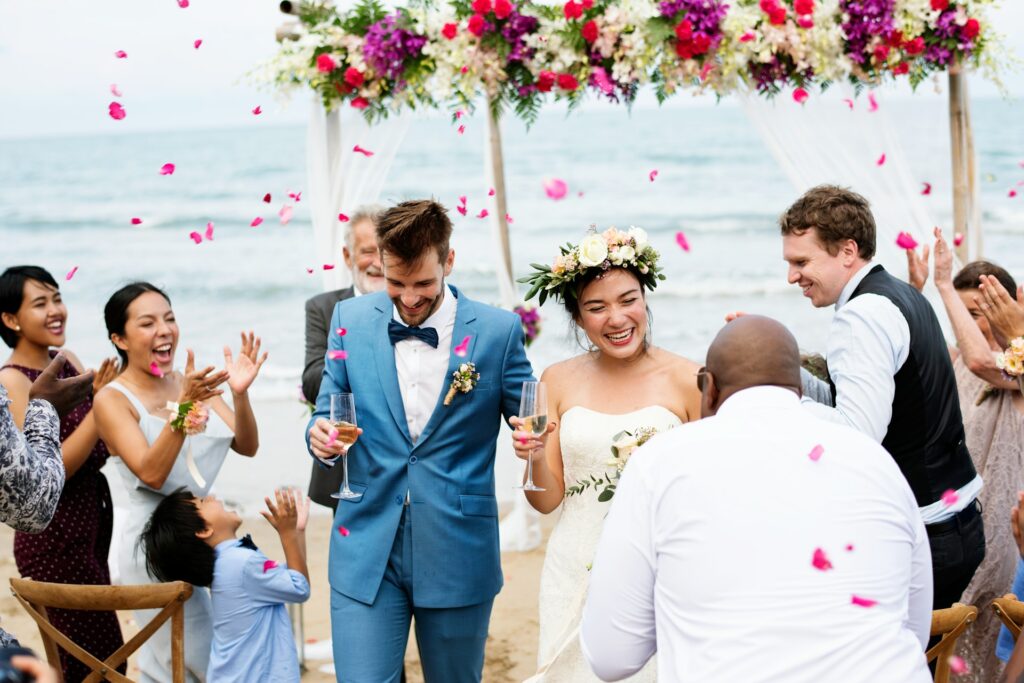
The perfect wedding guest dress should make sense for the setting.
For a summer garden wedding, a flowy midi dress or soft floral style may feel right. For a winter wedding, deeper colors, richer fabrics, and longer sleeves can look more seasonally appropriate. For a beach wedding, a lightweight dress that moves easily can be beautiful, but it should not look like a swimsuit cover-up. For a church ceremony, a slightly more modest neckline or a shawl may be a smart choice.
Comfort also matters. If the wedding is outdoors, think about the weather, walking surfaces, and how long you will be standing. A long satin gown may look stunning, but it might not be ideal if you are walking across grass in the heat. A mini dress may feel cute for a party, but it may not feel appropriate for a formal ceremony.
The best dress is one that fits the occasion and lets you move comfortably through the full day, from ceremony to cocktail hour to dancing.
Be Careful With Black, Red, and Bright Colors
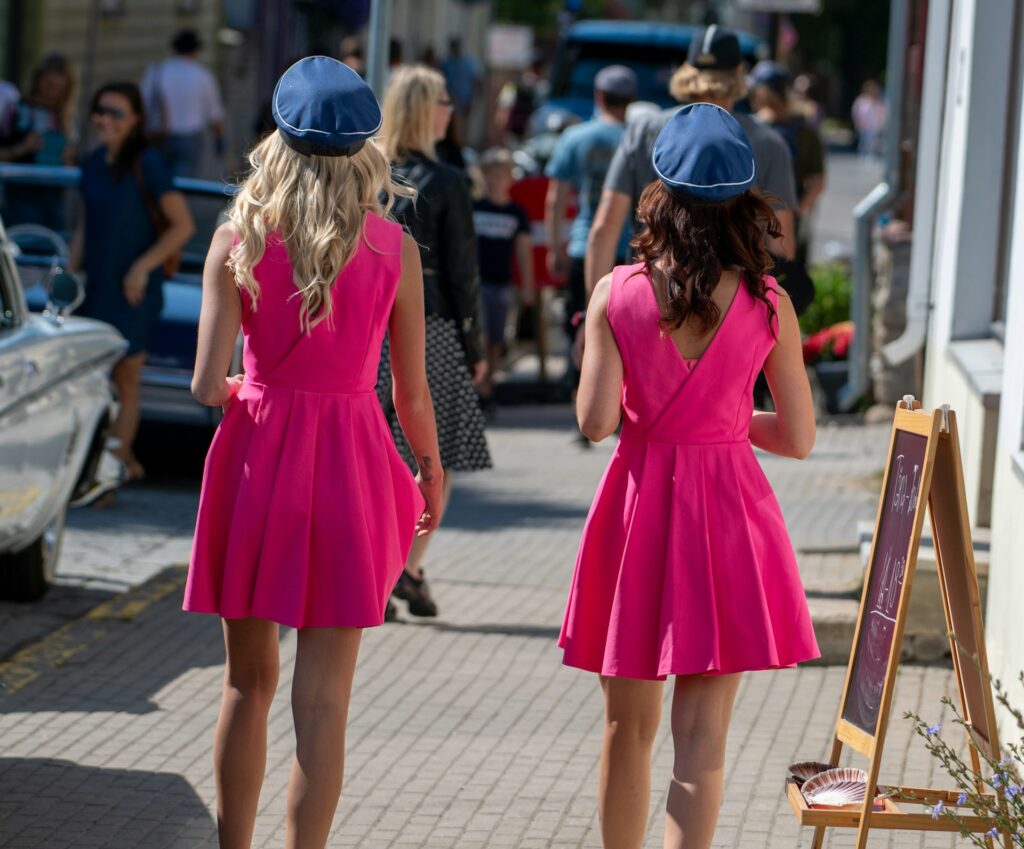
Some traditional etiquette rules around color have relaxed, but it still helps to be thoughtful.
Black is now widely accepted at many weddings, especially evening, formal, and city weddings. A black dress can look timeless and elegant. The key is to style it in a way that feels celebratory rather than somber. Jewelry, shoes, texture, and accessories can help make black feel wedding-appropriate.
Red can be beautiful, but it is also a very attention-grabbing color. A tasteful red dress can work, especially for evening weddings, but avoid anything too loud, revealing, or dramatic. The same idea applies to neon colors or extremely bold shades. If a dress feels like it will pull focus in every photo, it may be worth reconsidering.
When in doubt, choose colors that feel elegant and refined rather than overly attention-seeking.
Match Your Dress Length to the Formality

Dress length is another important part of wedding guest etiquette.
For black tie and very formal weddings, longer gowns are usually the best choice. For formal or semi-formal weddings, midi dresses and elegant cocktail dresses can work well. For casual or daytime weddings, shorter dresses may be acceptable, but they should still feel polished.
A dress that is too short, too tight, or too club-like can feel out of place, even if the wedding is not extremely formal. You can still wear something flattering without choosing a dress that feels more appropriate for a night out than a ceremony.
Midi dresses are often one of the easiest choices for wedding guests because they work across many dress codes. They feel elegant without being too formal, and they can be styled up or down depending on the venue.
Do Not Ignore Comfort
Wedding guest outfits need to do more than look good in a mirror. They need to work for several hours of real life.
You may be sitting through a ceremony, standing during cocktail hour, walking across a venue, eating dinner, taking photos, and dancing later in the evening. If your dress constantly needs adjusting, feels too tight to sit in, or makes you feel self-conscious, it can take away from the experience.
The same goes for shoes. Beautiful heels can complete an outfit, but if you cannot comfortably stand or walk in them, they may not be worth it. For outdoor weddings, block heels, wedges, or dressy flats can be much more practical than stilettos.
Comfort does not mean casual. It means choosing a dress that looks good and lets you enjoy the wedding without fussing over your outfit all night.
Why Curated Dress Sites Make Wedding Guest Shopping Easier
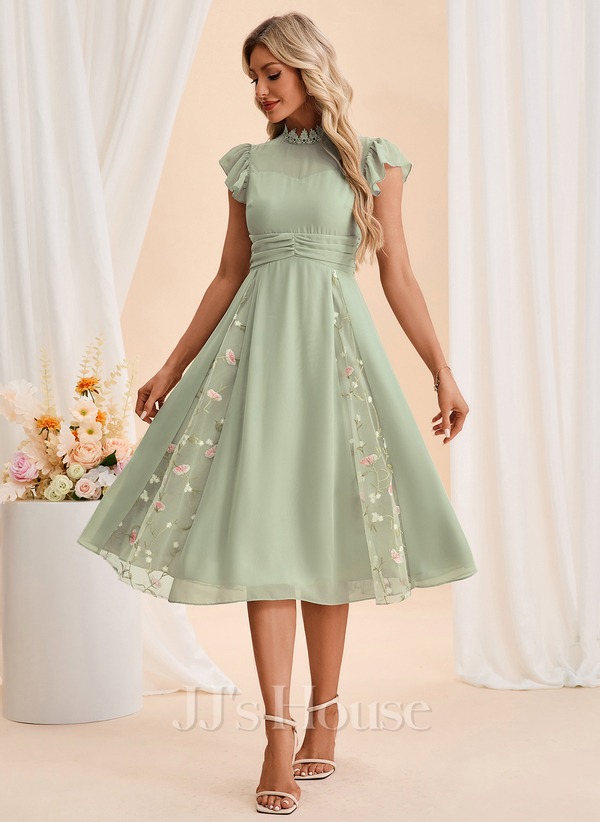
One of the hardest parts of wedding guest shopping is not knowing where to start.
When you are searching through endless dresses online, it can quickly become overwhelming. Some dresses are too casual, some are too bridal, some are too revealing, and some do not match the dress code at all. After a while, every option starts to blur together.
This is where shopping from a curated dress site can take a lot of stress away.
Instead of scrolling through random fashion pieces and trying to decide what might work for a wedding, curated formalwear sites make it easier to browse dresses that already fit the occasion. You can look for styles by length, color, silhouette, sleeve style, formality, season, and event type. That makes the process feel much more focused.
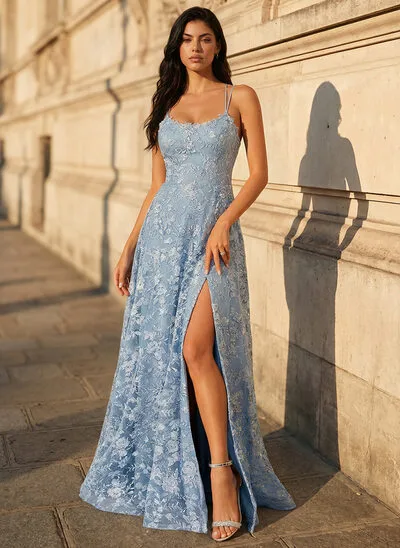
JJ’s House is a great example of this kind of shopping experience. For wedding guests, it offers a wide variety of dresses that are designed for formal events, special occasions, and wedding celebrations. Instead of guessing whether a dress feels appropriate, you can browse options that already look polished enough for the big day.
JJ’s House is also helpful because wedding guest needs vary so much. One person may need a modest midi dress for a church ceremony, while another may want a formal floor-length gown for a black-tie reception. Someone else may be looking for a soft floral style for a garden wedding or a sleek cocktail dress for an evening venue. Having those options in one place makes it easier to compare styles and choose something that fits both the dress code and your personal taste.
Another benefit is that a curated site can help you avoid last-minute outfit panic. When you can shop by color, length, and occasion, the process feels less scattered. You are not just searching for a random dress. You are looking for the right wedding guest dress.
For anyone who has ever stood in front of their closet days before a wedding feeling like nothing works, that kind of convenience can make a big difference.
Choose Accessories That Complement, Not Compete
Once you have the dress, accessories should support the look rather than overpower it.
For a simple dress, you can add statement earrings, a pretty clutch, or a more noticeable heel. For a dress that already has embellishment, shine, lace, or a bold print, keep accessories more understated.
Weddings are long events, so practicality matters here too. A small clutch or evening bag should be big enough for your phone, lipstick, ID, and any small essentials. If the ceremony is outdoors or in a cooler season, consider a shawl, wrap, or dressy layer that works with the outfit.
The best accessories make the look feel finished without making it feel overdone.
What to Avoid Wearing to a Wedding
There are a few outfit choices that are usually better to skip.
Avoid anything too casual, such as jeans, flip-flops, basic sundresses, sneakers, or everyday workwear unless the couple specifically says the event is very casual. Avoid anything too revealing, too sheer, or too tight for a ceremony setting. Avoid overly bridal colors, dramatic gowns that compete with the bride, and outfits that ignore the requested dress code.
You should also be careful with anything that might be uncomfortable or impractical for the venue. A dress that drags through sand, heels that sink into grass, or an outfit that does not work with the weather can make the day harder than it needs to be.
Wedding guest etiquette is not about following old-fashioned rules just for the sake of it. It is about showing respect for the couple and dressing in a way that fits the occasion.
Final Thoughts
Choosing a wedding guest dress does not have to be stressful.
Once you understand the basics, the process becomes much easier. Respect the dress code, avoid white, do not upstage the bride, consider the venue, and choose something that feels polished, comfortable, and appropriate.
The right dress should make you feel confident without making you question whether it is too much, too casual, or too close to bridal. That is why curated shopping sites like JJ’s House can be so helpful. They make it easier to find wedding guest dresses that already fit the occasion, whether you need something formal, romantic, modest, colorful, or easy to wear again.
At the end of the day, wedding guest style is about celebrating someone else’s big moment while feeling your best. When your outfit fits the dress code, suits the setting, and lets you enjoy the event comfortably, you have done it right.
Thank you for reading this post, don't forget to subscribe to our newsletter!