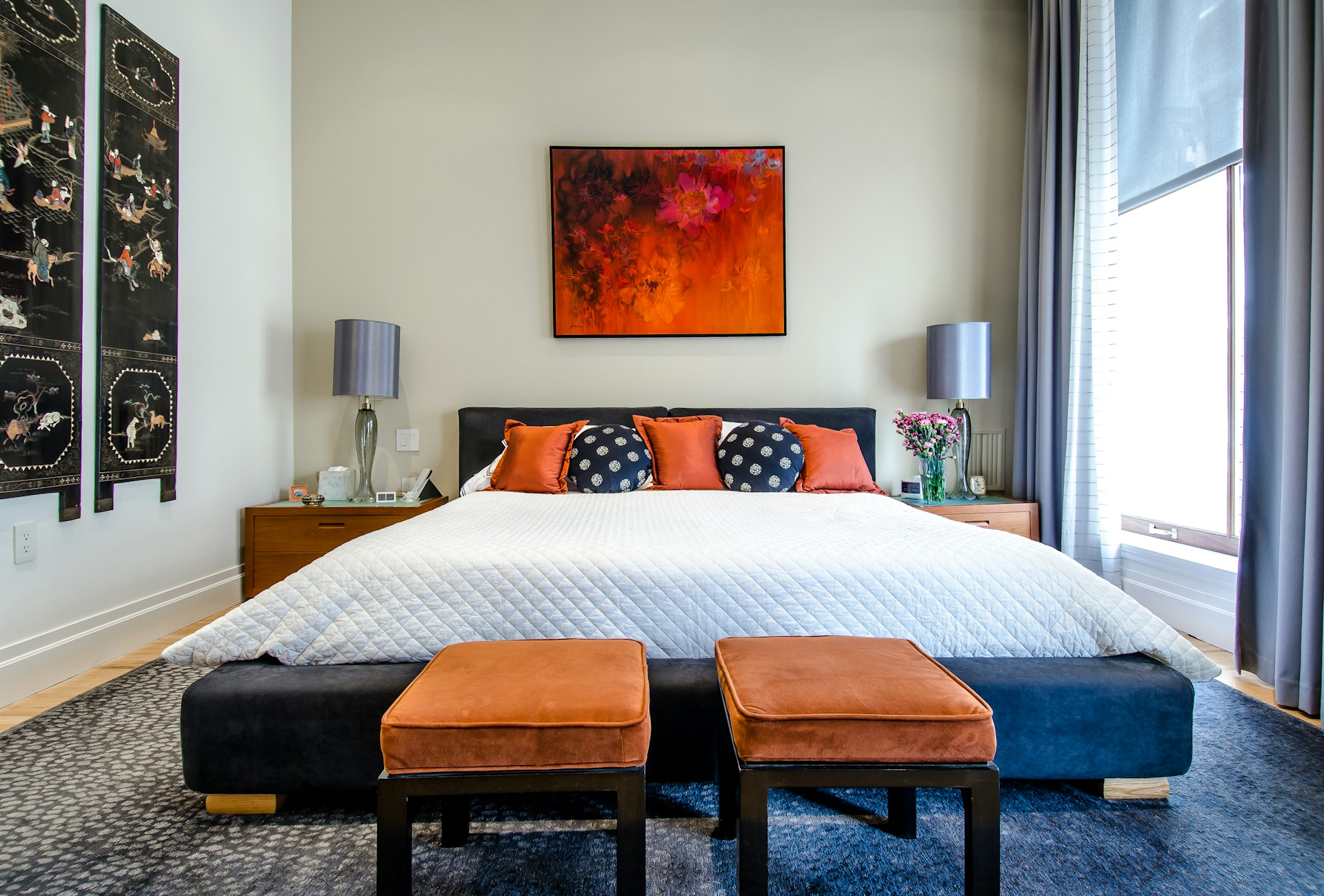
There’s a noticeable difference between a home that simply looks “nice” and one that feels professionally styled. You’ve probably experienced it, walking into a space that immediately feels balanced, intentional, and comfortable without quite knowing why. It’s not always about expensive furniture or major renovations. More often, it comes down to small, thoughtful details that work together to create a cohesive look.
The good news is that you don’t need a designer or a massive budget to achieve that effect. With a few strategic adjustments, you can make your home feel polished, put together, and visually appealing. Here are some of the most effective tips to make your home look professionally styled.
Start With a Cohesive Color Palette
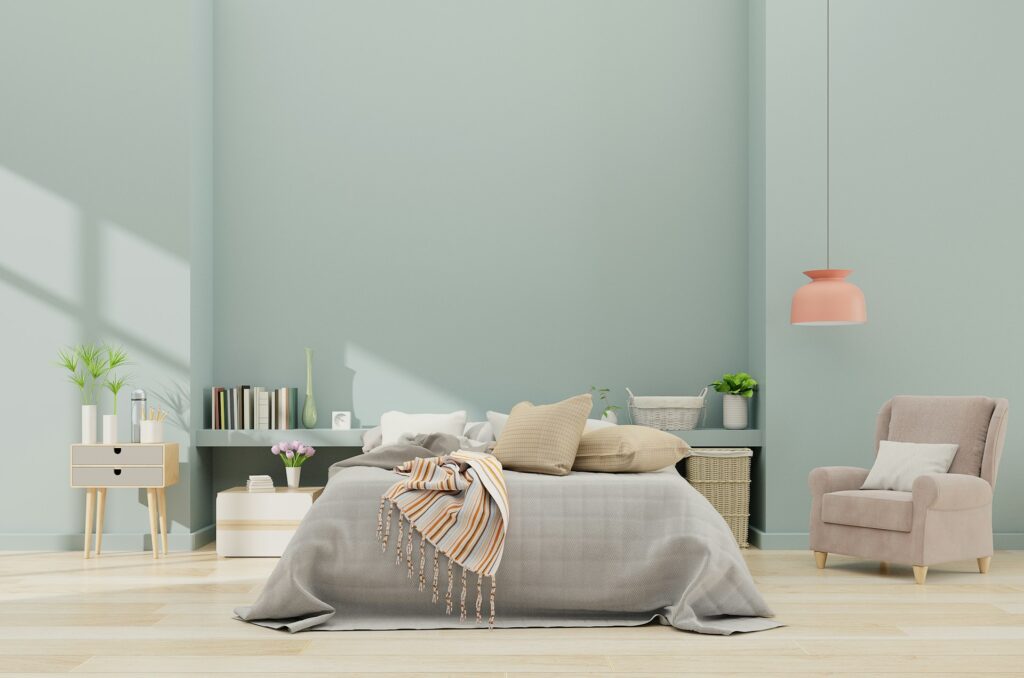
One of the easiest ways to elevate your space is by sticking to a consistent color palette. Professionally styled homes rarely feel random. They follow a clear visual direction. This doesn’t mean everything needs to match perfectly, but your colors should complement each other.
A simple approach is to choose a base of neutral tones like white, beige, gray, or soft earth tones, and then layer in one or two accent colors. This creates harmony and prevents the space from feeling cluttered or overwhelming. When everything in a room feels connected, it instantly looks more intentional.
Focus on Balance and Proportion
Professional styling is all about balance. If one side of a room feels heavy or crowded while the other feels empty, the space won’t feel complete. Try to distribute visual weight evenly by considering the size and placement of furniture and decor.
For example, if you have a large sofa, balance it with a substantial coffee table or a pair of chairs. If one side of a bed has a lamp, consider adding something of similar scale on the other side. Symmetry isn’t always required, but visual balance is key.
Layer Your Lighting
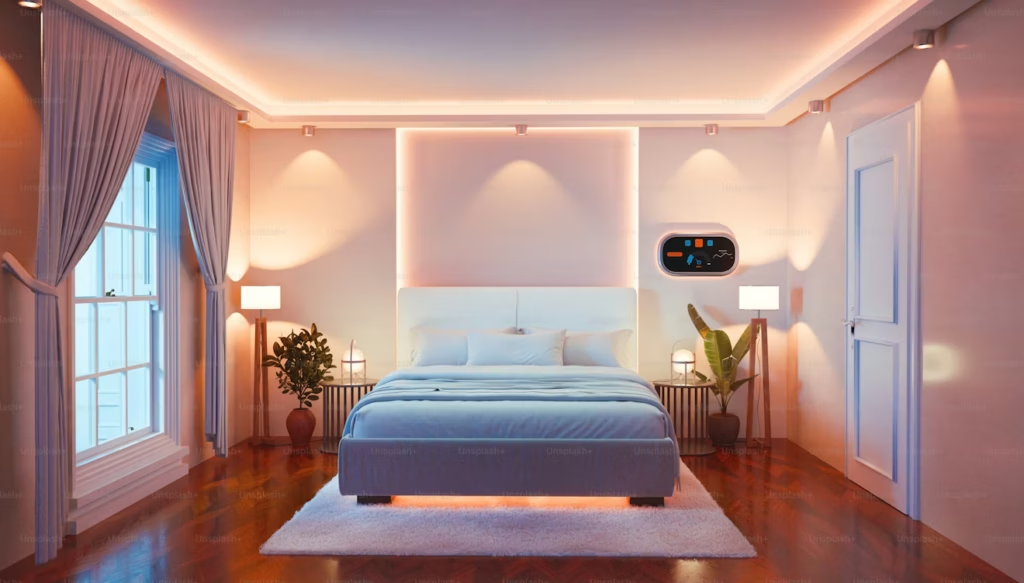
Lighting plays a huge role in how a space looks and feels. A single overhead light rarely creates a well-designed atmosphere. Instead, aim for layered lighting that includes a mix of ambient, task, and accent lighting.
Think table lamps, floor lamps, and even soft accent lighting to highlight certain areas. This not only improves functionality but also adds warmth and depth to your home. Softer, warmer lighting tends to feel more inviting and helps create that professionally styled ambiance.
Incorporate Texture Through Fabrics
One of the most overlooked elements in home design is texture. While color and furniture get most of the attention, texture is what makes a space feel complete and visually interesting. Without it, even a well-decorated room can feel flat.
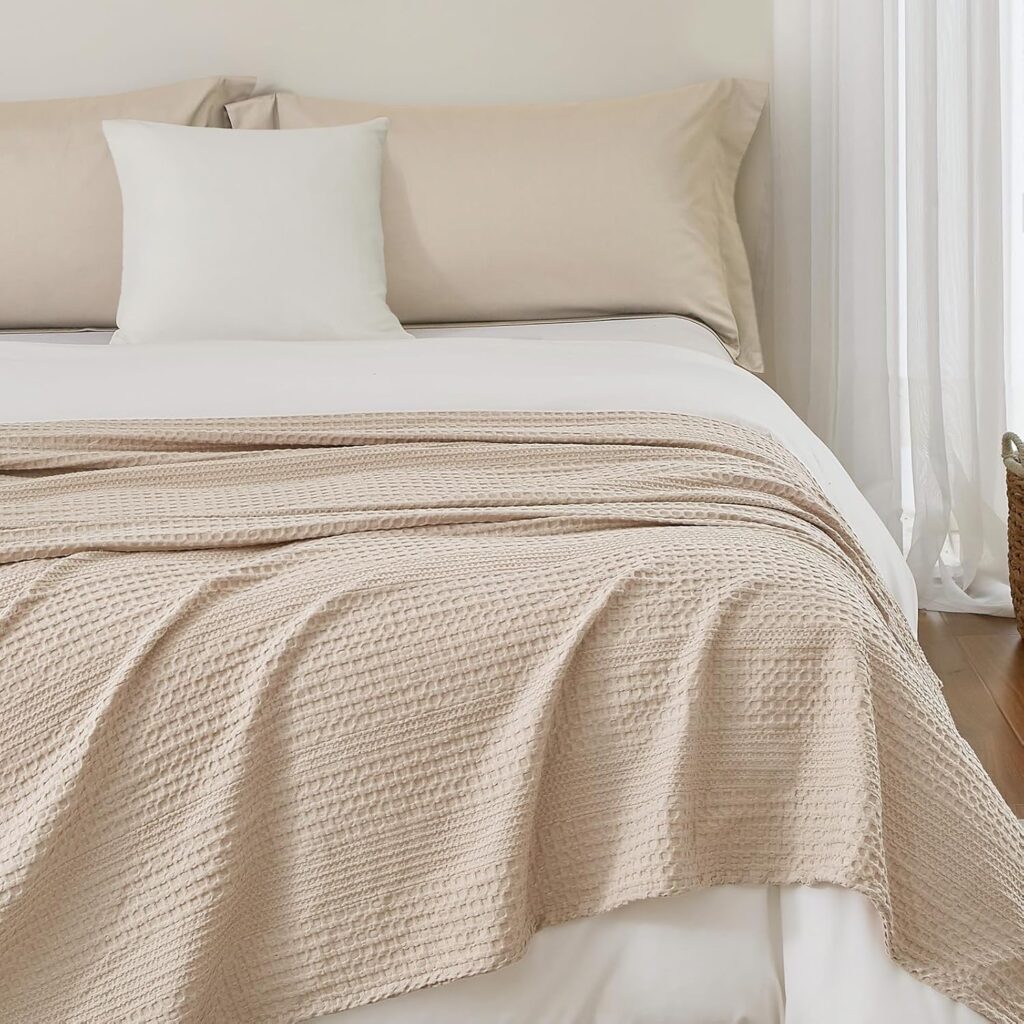
Adding different fabric textures like linen, cotton, knits, and especially waffle weaves can instantly elevate your space. A simple way to do this is by layering textiles on your bed or sofa. For example, incorporating a lightweight waffle weave blanket adds both visual depth and a sense of comfort without overwhelming the room.
A piece like the PHF Lightweight Waffle Weave Blanket in a neutral tone can work especially well because it blends seamlessly with most color palettes while still adding subtle texture. Its breathable, soft feel makes it practical for everyday use, while the structured pattern helps create that styled, layered look often seen in professionally designed homes. Even something as simple as draping a textured blanket over a bed or couch can make the entire space feel more finished.
From our experience, this type of waffle weave blanket strikes a really nice balance between comfort and practicality. It feels lightweight and breathable, making it ideal for year-round use, especially if you tend to get warm at night. Even though it’s thin, it still provides just enough weight to feel cozy without trapping heat. The texture is soft and smooth rather than stiff, and it holds up well with regular use and washing, which makes it a reliable option for both everyday comfort and styling.
Keep Surfaces Clean but Styled
Clutter is one of the fastest ways to make a home feel unpolished. At the same time, completely empty surfaces can feel cold and unfinished. The goal is to find a balance between clean and styled.
Instead of filling every surface, choose a few intentional pieces. A stack of books, a small plant, and a decorative object can be enough to create interest without overwhelming the space. Group items in odd numbers and vary their heights to make arrangements feel more natural and visually appealing.
Use Rugs to Define Spaces
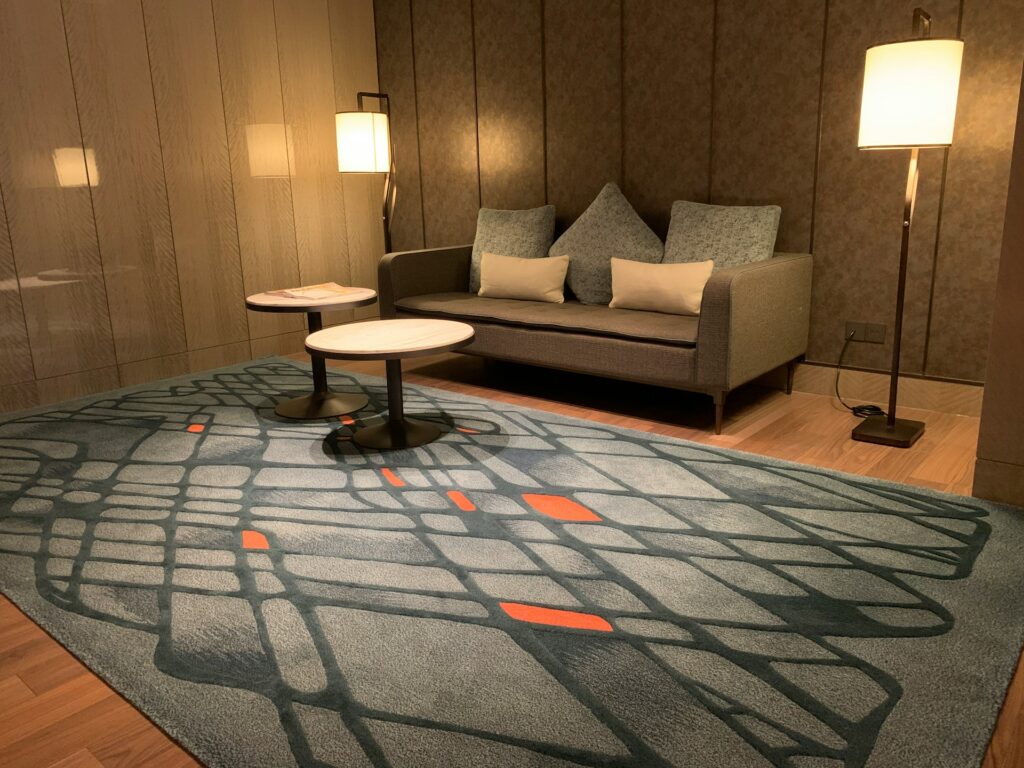
Rugs are more than just decorative. They help define areas and anchor furniture. In a living room, a rug should be large enough to sit under at least the front legs of your furniture. In a bedroom, it should extend beyond the bed to create a soft, grounded feel.
A well-placed rug can make a room feel more cohesive and intentional, which is a hallmark of professional design. It also adds another layer of texture, contributing to the overall depth of the space.
Add Layers to Your Bedding
Your bed is often the focal point of your bedroom, so styling it properly makes a big impact. Instead of just a comforter and pillows, think in layers.
Start with quality sheets, add a duvet or comforter, and then incorporate additional elements like throw pillows and a textured blanket. Layering creates dimension and makes the bed look more inviting. It’s a simple upgrade that can transform the entire room.
Bring in Natural Elements
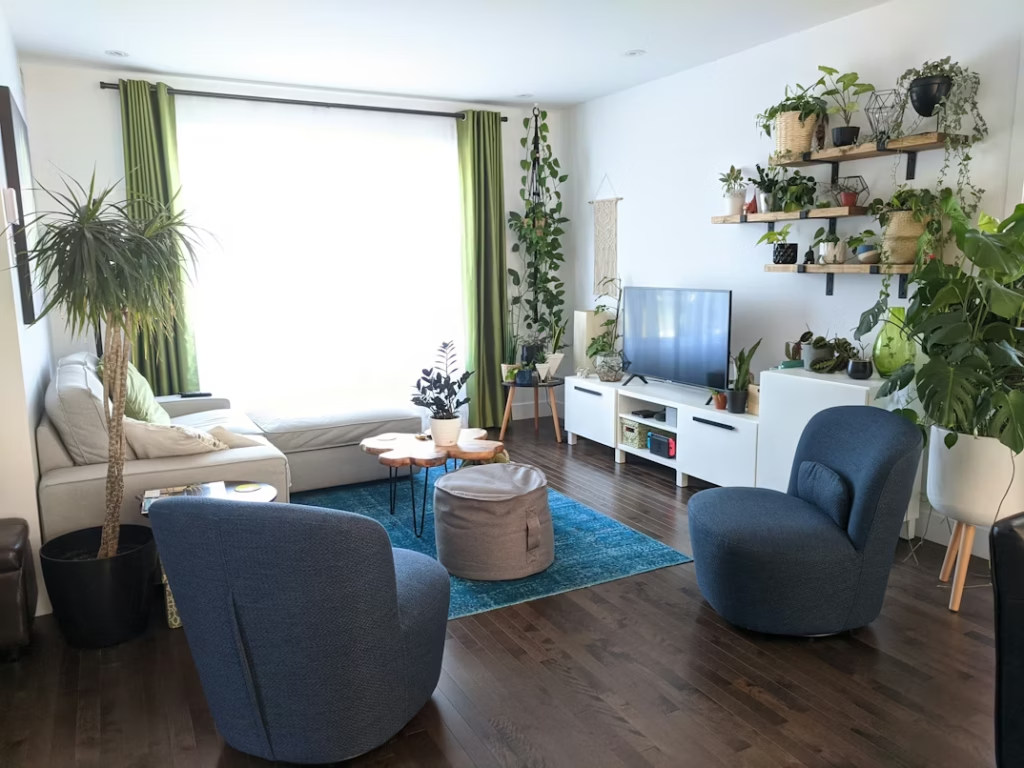
Natural elements like wood, plants, and stone can instantly make a space feel more grounded and welcoming. Even a few small touches, like a wooden tray or a potted plant, can soften a room and add life to it.
Plants are especially effective because they introduce both color and organic texture. Whether real or high-quality artificial, greenery helps break up hard lines and adds a fresh, styled feel.
Pay Attention to Scale
Scale is another detail that separates professionally styled spaces from average ones. Decor that is too small can look insignificant, while pieces that are too large can overwhelm a room.
For example, artwork should be appropriately sized for the wall it’s on, and decorative items should feel proportional to the furniture around them. When everything is scaled correctly, the space feels more balanced and intentional.
Edit and Refine
Finally, one of the most important steps is editing. Professional designers don’t just add. They remove. After styling your space, take a step back and look at it critically.
If something feels out of place or unnecessary, remove it. Simplifying your space often makes it look more refined and cohesive. Sometimes, less truly is more.
Final Thoughts
Creating a professionally styled home doesn’t require a complete overhaul. It’s about making thoughtful choices, paying attention to details, and understanding how elements like color, balance, lighting, and texture work together.
Small changes like layering fabrics, incorporating texture, and keeping surfaces intentionally styled can make a significant difference. When everything in your home feels cohesive and purposeful, the entire space transforms. It becomes not just a place you live in, but a place that feels designed, comfortable, and truly put together.
Thank you for reading this post, don't forget to subscribe to our newsletter!