When people think about home safety, they picture locks, alarms and fences. Outdoor lighting gets overlooked, but a dark backyard is more than inconvenient. It makes it easy to trip, leaves shadows for someone to hide in, and makes you less likely to use your yard at night.
The good news: you don’t need an electrician or a big budget to fix it. Solar motion sensor lights are one of the easiest upgrades you can make. They’re inexpensive, quick to put up, and they only need a few hours of sun to work each night.
Why a Well-Lit Yard Matters
Good lighting makes it easier to walk around at night without tripping over steps, hoses or garden tools. Kids and pets can play outside after dark with less risk.
It also helps keep unwanted visitors away. Most people who don’t belong in your yard would rather stay in the dark, and a light that snaps on when they move is often enough to make them turn around.
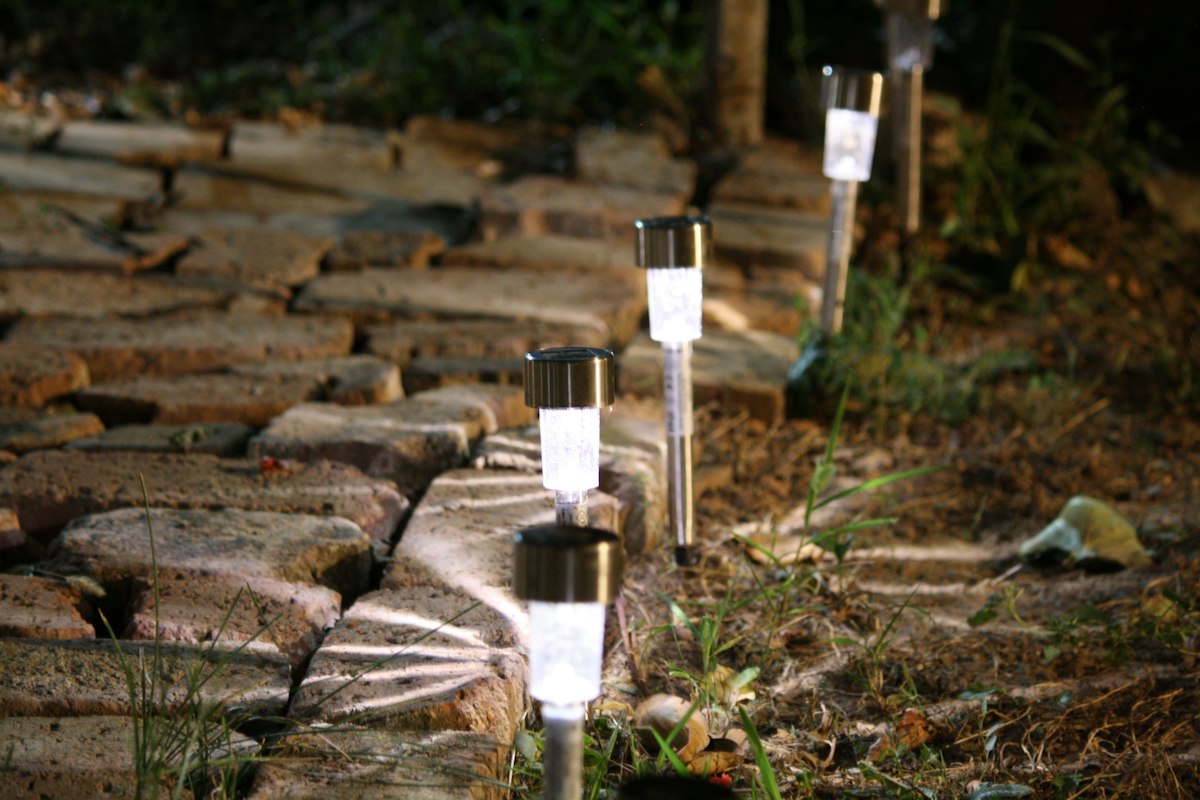
And it changes how you use the space. Grilling late, sitting on the patio or letting the dog out at 10 p.m. all feel easier when you can actually see.
Why Solar Motion Lights Make Sense
There are lots of ways to light a backyard: wired floodlights, string lights, lanterns. Solar motion lights hit a nice middle ground.
They need no wiring, so you can mount them almost anywhere. They run on sunlight, so they don’t add to your electric bill. And because they only turn on when something moves, they save their battery for when you need it.
What to Look for Before You Buy
Many solar lights look the same online, but they don’t perform the same. A few things make the biggest difference:
Brightness. Check the lumens. Dim lights barely cover a small path, so look for a strong enough beam to reach across the area you want lit.
Sun needs. Some lights only work well with full, all-day sun. If your yard is partly shaded, look for panels that charge well in a few hours of light.
Size and mounting. A small base fits on fences, posts and narrow walls where bulky lights won’t.
Motion range and modes. Wider sensor angles cover more ground, and a dim-until-motion mode is handy for paths.
Weather rating. Look for an IP65 rating or higher so rain and snow don’t kill them in a season.
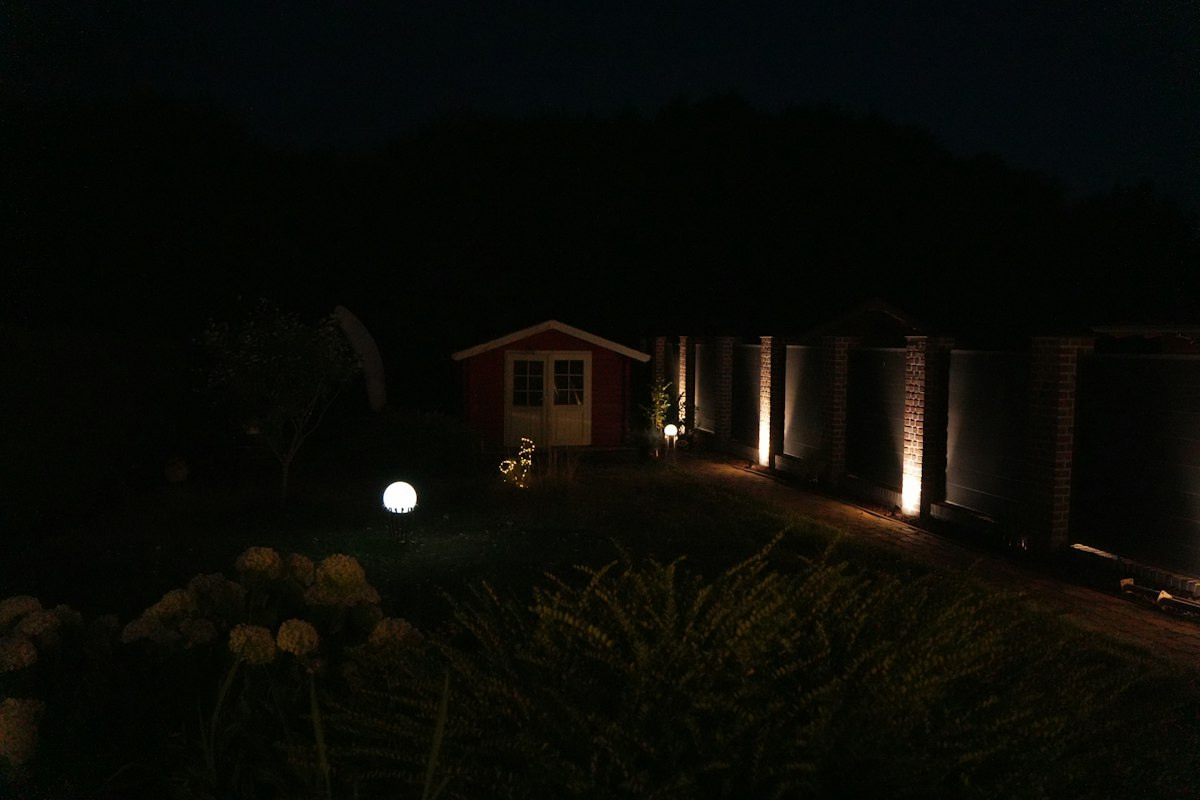
Once they’re mounted, good solar lights mostly take care of themselves. Wipe the panels now and then so dust doesn’t cut down on charging.
Where to Put Them First
You don’t need to light the whole yard at once. Start with the spots you walk through most or avoid after dark.
Quick placement checklist
☐ Steps and stairs down to the yard
☐ The path from the back door to the trash cans or garage
☐ Side yards and gates
☐ Dark corners near fences or sheds
☐ Above or beside the patio seating area
Mount them where the panel gets the most sun during the day, even if that means angling the light head toward the area you want covered.
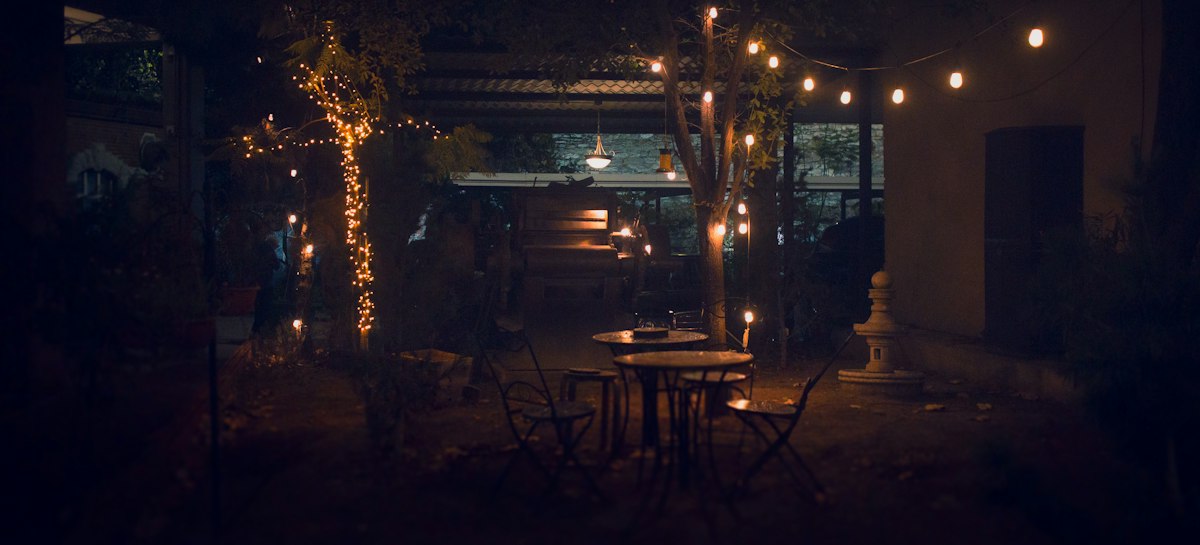
A light near the patio also makes evenings outside feel a lot more relaxed.
Common Mistakes to Skip
Putting the panel in the shade. The light can be in a dark spot, but the panel can’t.
Mounting too high. Too high and the sensor misses movement on the ground. About 6 to 8 feet works for most yards.
Pointing them at the neighbors. Aim the light down at your path or yard, not into the house next door.
Forgetting the first charge. Let new lights charge in the sun for a full day before you judge how bright they are.
The Bottom Line
Making your backyard safer doesn’t take a renovation. A few solar motion lights in the right spots can make your yard easier to use, safer to walk through and a lot more welcoming after dark.
Read now: How Smart Lights Can Read the Room and Set the Mood
Thank you for reading this post, don't forget to subscribe to our newsletter!