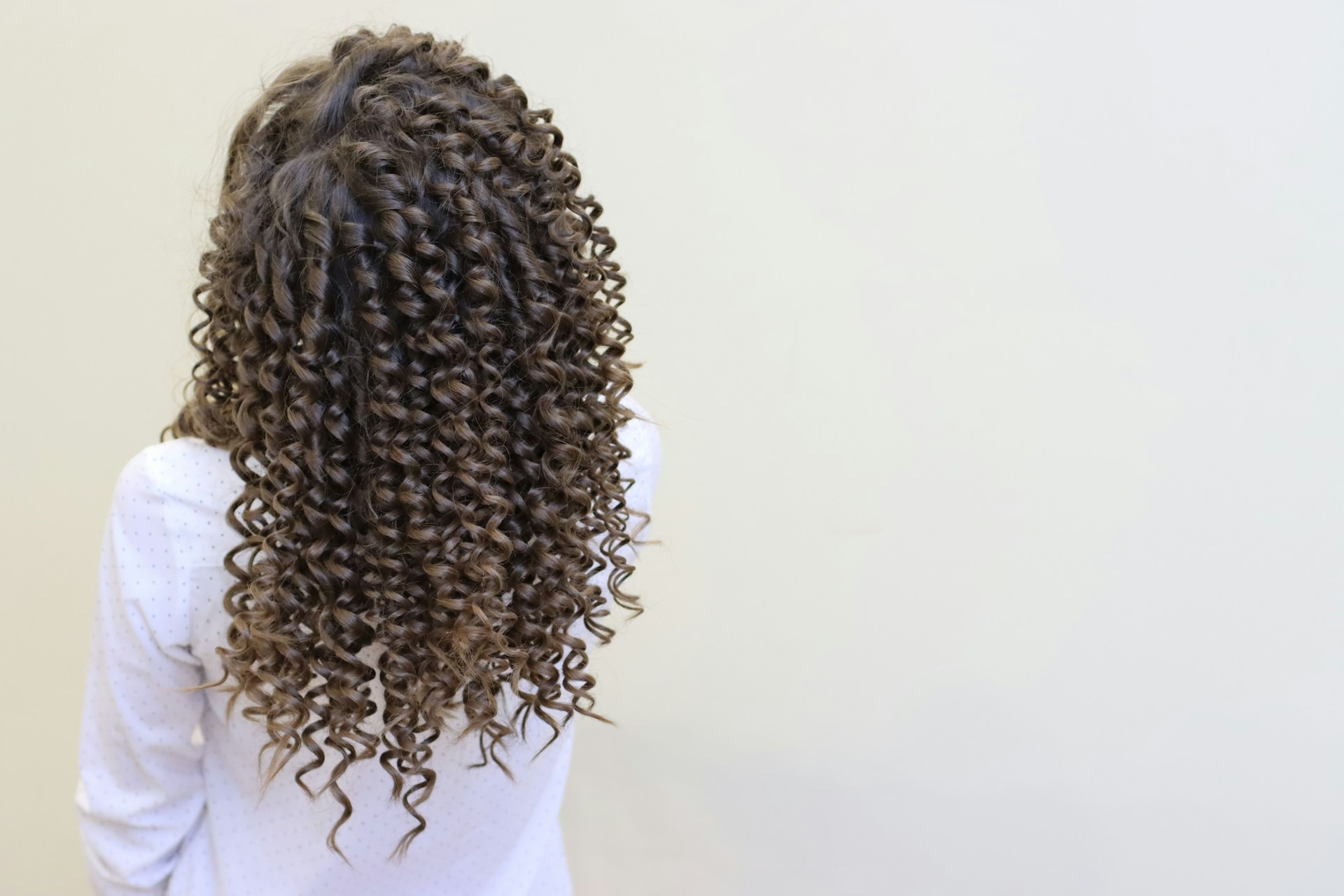
Dry, textured hair often needs a little more strategy than simply adding more product. Curly, coily, and highly textured hair can lose moisture quickly, especially when exposed to heat styling, dry weather, frequent washing, protective styles, or products that leave buildup behind.
The goal is not to keep hair constantly coated in oils and creams. A good moisture routine starts with cleansing properly, adding hydration back into the hair, conditioning consistently, and then helping that moisture last between wash days.
The right routine will look different for everyone, but a few habits can make dry, textured hair feel noticeably softer and easier to manage.
Start With a Gentle Cleanse
It can be tempting to avoid shampoo when your hair already feels dry, but buildup can make moisturizing products less effective.
Oils, styling creams, gels, dry shampoo, sweat, and environmental residue can accumulate on the scalp and strands. Eventually, adding more conditioner on top may leave hair coated rather than hydrated.
Use a shampoo that cleans effectively without making your hair feel excessively stripped. How frequently you wash depends on your scalp, styling routine, and hair type, but the goal should be to begin your conditioning routine with clean hair.
If you use a lot of styling products, an occasional clarifying wash may also help. Just follow a stronger cleanse with plenty of conditioning afterward.
Conditioner Should Be a Regular Part of Wash Day
For dry, textured hair, conditioner is not an optional extra.
After shampoo removes buildup and excess oil, conditioner helps restore softness, improve slip, and make detangling easier. Work it through the lengths of your hair, paying particular attention to areas that feel rough or dry.
Give yourself enough time to detangle gently while the hair is coated. Trying to detangle very dry hair without enough slip can lead to unnecessary pulling and breakage.
Some people do well with a lightweight conditioner every wash, while others prefer richer formulas. Your hair will usually tell you what it needs based on how it feels once it dries.
Deep Condition When Hair Needs More Help
Regular conditioner may be enough for everyday maintenance, but especially dry, brittle, color-treated, heat-styled, or textured hair can benefit from deeper conditioning.
Deep conditioners generally have richer formulas designed to spend more time on the hair. They can be particularly useful after clarifying, swimming, coloring, heat styling, or periods when your hair simply feels drier than usual.
You do not necessarily need to deep condition every time you wash. Pay attention to your hair instead of following a rigid schedule.
If it still feels soft, flexible, and manageable, your normal routine may be doing enough. If it starts feeling rough or difficult to detangle, a richer treatment may be worth adding.
Consider Haircare Brands Designed With Textured Hair in Mind
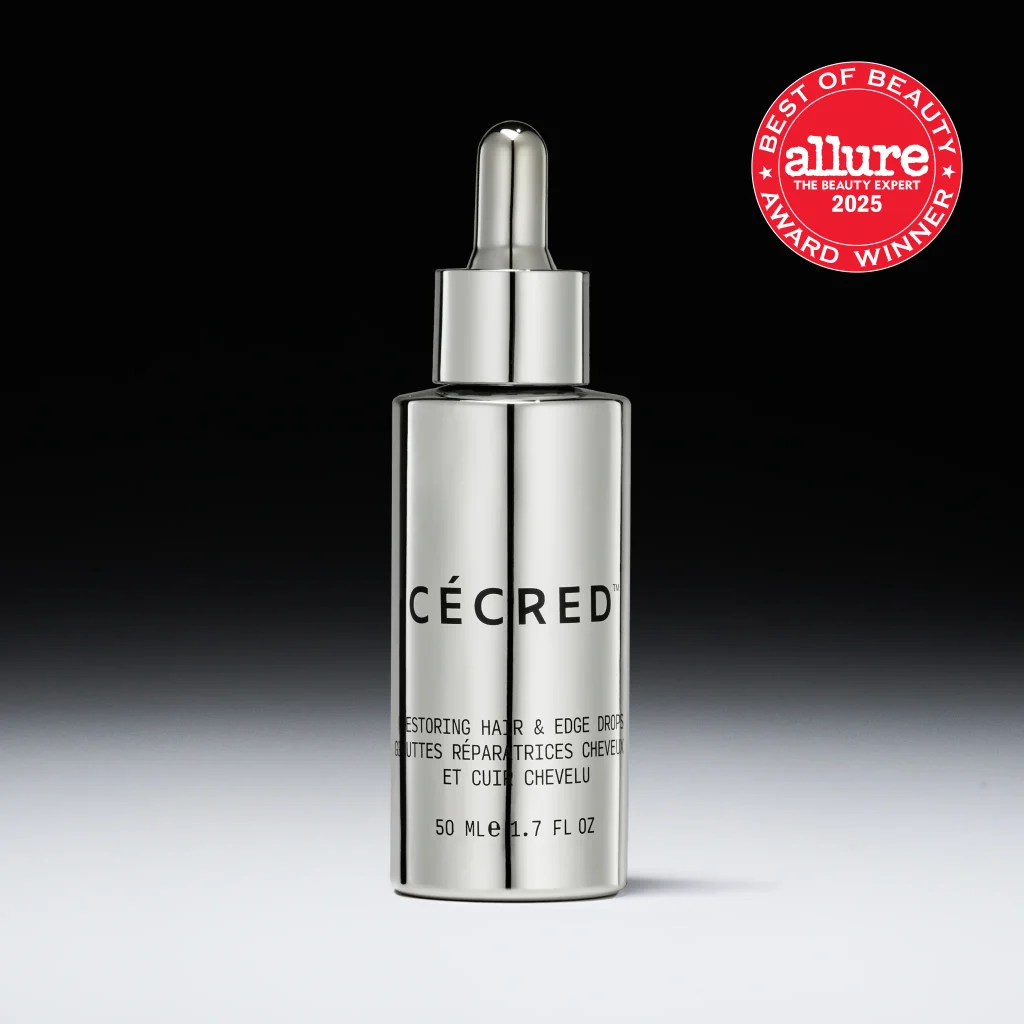
One brand worth checking out for moisture-focused routines is Cécred.
Although Cécred says its products are made for all hair types and textures, the company specifically says it prioritizes the needs of textured hair, including moisture, strength, and hair that may be prone to dryness and breakage.
Its Hydrating Shampoo is designed to cleanse while maintaining softness and moisture, while the Moisturizing Deep Conditioner is positioned for dehydrated hair and focuses on softness and manageability. Cécred also offers a lighter Hydrating Conditioner for people who want moisture without a particularly heavy conditioning step.
That moisture focus is also one of the things users repeatedly mention online. In a discussion among people with natural and textured hair, one reviewer who initially hesitated because of the price said they were surprised by the lasting moisture and manageability they experienced from Cécred’s conditioning products.
Another user said they had initially been put off by the cost but ultimately liked how moisturized the products kept both their own hair and their daughters’ hair.
That does not mean every Cécred product will work for every person. Some reviewers liked certain shampoos or conditioners more than others, and others noted that their hair was sensitive to the protein found in parts of the line.
Because it is a premium-priced line, trying travel sizes or starting with one moisture-focused product can be a practical way to see how your own hair responds before committing to an entire routine.
Apply Moisturizing Products While Hair Is Still Damp
Timing makes a difference.
Applying leave-in conditioner or moisturizing cream to slightly damp hair can help you maintain the hydration already present after washing. Waiting until the hair is completely dry and then adding heavy oils may make the surface feel smoother without addressing the underlying dryness.
After rinsing your conditioner, gently remove excess water rather than aggressively towel-drying. Apply your leave-in or moisturizer while the hair still has some moisture in it.
From there, you can style as usual.
Use Oils as a Finishing Step, Not Your Only Moisturizer
Oil and water do different jobs.
Hair oil can be useful for adding shine, reducing the feeling of roughness, and helping seal in moisture, but oil itself does not replace hydration.
For very dry textured hair, it often makes more sense to use a water-based leave-in or moisturizing product first and then use a small amount of oil afterward if your hair responds well to it.
Using too much oil can also create buildup, so more is not automatically better.
Protect Your Hair Overnight
A good nighttime routine can help your wash-day results last longer.
Cotton pillowcases can create friction and absorb some of the moisture and oils from your hair. A satin or silk bonnet, scarf, or pillowcase can reduce friction while you sleep and help protect curls, coils, twists, and other styles.
You may also want to loosely twist, braid, or pineapple your hair depending on your texture and style.
The goal is to wake up needing less manipulation and fewer products.
Be Careful With Too Much Heat
Blow dryers, flat irons, curling tools, and other forms of heat can make dry hair even harder to manage when used excessively.
You do not necessarily have to eliminate heat completely. Instead, focus on moderation. Use an appropriate heat protectant, avoid repeatedly passing hot tools over the same section, and give your hair breaks when possible.
If you notice that your hair feels increasingly brittle or rough after styling, reducing heat can be one of the simplest ways to improve your moisture routine.
Refresh Without Starting Over
Not every dry-hair day requires a complete wash.
Between wash days, lightly refreshing your hair with water, a moisturizing mist, or a small amount of leave-in can sometimes restore softness without adding layers of heavy product.
Focus on the driest sections, particularly the ends, which are the oldest part of your hair and often need the most attention.
Final Thoughts
Keeping dry, textured hair moisturized is less about finding one miracle product and more about building a routine that works consistently.
Cleanse often enough to prevent buildup, condition every wash, use deeper treatments when needed, apply moisturizing products while the hair is still damp, and protect your hair from unnecessary friction and heat.
Brands like Cécred can fit naturally into that kind of routine because several of its products are specifically built around hydration, softness, conditioning, and manageability. The brand is more expensive than many drugstore options, but online feedback suggests that moisture is one of the areas where some textured-hair users feel the difference most strongly.
Ultimately, the best routine is the one that leaves your hair feeling soft, flexible, manageable, and easier to style—not the one with the most products.
Thank you for reading this post, don't forget to subscribe to our newsletter!