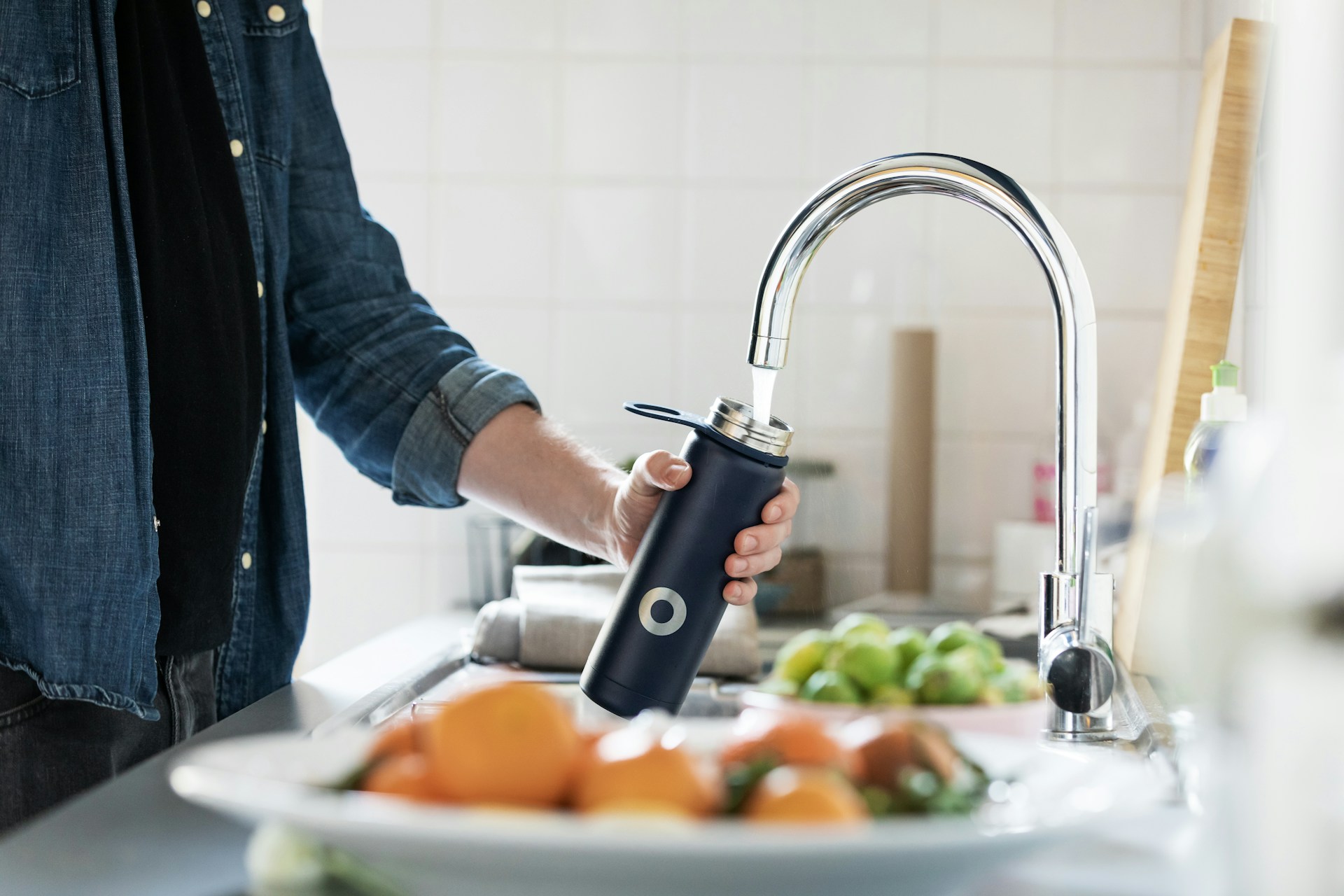
Clean drinking water is one of those everyday things most people do not think much about until they start paying closer attention to what is actually coming out of the tap.
Between concerns about contaminants, the rising cost of bottled water, and the hassle of constantly restocking cases of water, more homeowners are starting to look for a better long-term solution. That is where reverse osmosis systems come in.
Reverse osmosis, often called RO, has been trusted for years as one of the most effective ways to filter drinking water at home. The only downside is that traditional systems have not always felt very homeowner-friendly. They could be bulky, slow, complicated to install, and frustrating to maintain.
Thankfully, that is starting to change.
Modern RO systems are designed to make filtered water easier to bring into your everyday routine. Instead of feeling like a major plumbing project, newer systems are becoming more compact, more efficient, and much simpler to use. If you have been thinking about upgrading your drinking water, here is what to know and why newer designs make the decision feel a lot easier.
Why Reverse Osmosis Water Is So Popular
Reverse osmosis systems are popular because they go beyond basic water filtration.
A standard pitcher filter or fridge filter may help improve taste or reduce chlorine, but RO systems are designed to take water filtration a step further. They can help reduce a wider range of unwanted substances, including dissolved solids, heavy metals, certain chemicals, industrial byproducts, PFAS-related compounds, and other impurities that many people would rather not have in their drinking water.
For households that want a higher level of water quality, reverse osmosis has become one of the most trusted options. It is not just about making water taste better. It is about feeling more confident about the water you use every day for drinking, coffee, cooking, pet bowls, and filling reusable bottles.
That peace of mind is a big reason so many people eventually start looking beyond bottled water and basic filtration.
The Downsides of Traditional RO Systems
Even though reverse osmosis systems are known for effective filtration, older systems came with a few drawbacks that made some homeowners hesitate.
The filtration itself was appealing, but the setup often felt intimidating. Many traditional systems had several separate parts, a bulky tank, multiple tubes, and filters that were not always easy to reach once everything was installed under the sink.
For someone who wants better water without turning the kitchen cabinet into a plumbing project, that could be a major turnoff.
Complicated Installation
Traditional reverse osmosis systems were not always simple to install. Many required countertop drilling, separate faucet installation, multiple manual connections, and a setup process that could easily stretch into a long afternoon.
For homeowners without much plumbing experience, that kind of installation can feel stressful before the system is even turned on. Even when the instructions are clear, working in the tight space under a sink is not always fun, especially when there are several different components to connect.
That is one of the reasons newer RO systems are so appealing. They are designed to reduce the friction that used to come with installation.
Bulky Tank Designs
Another common issue with older reverse osmosis systems was the storage tank.
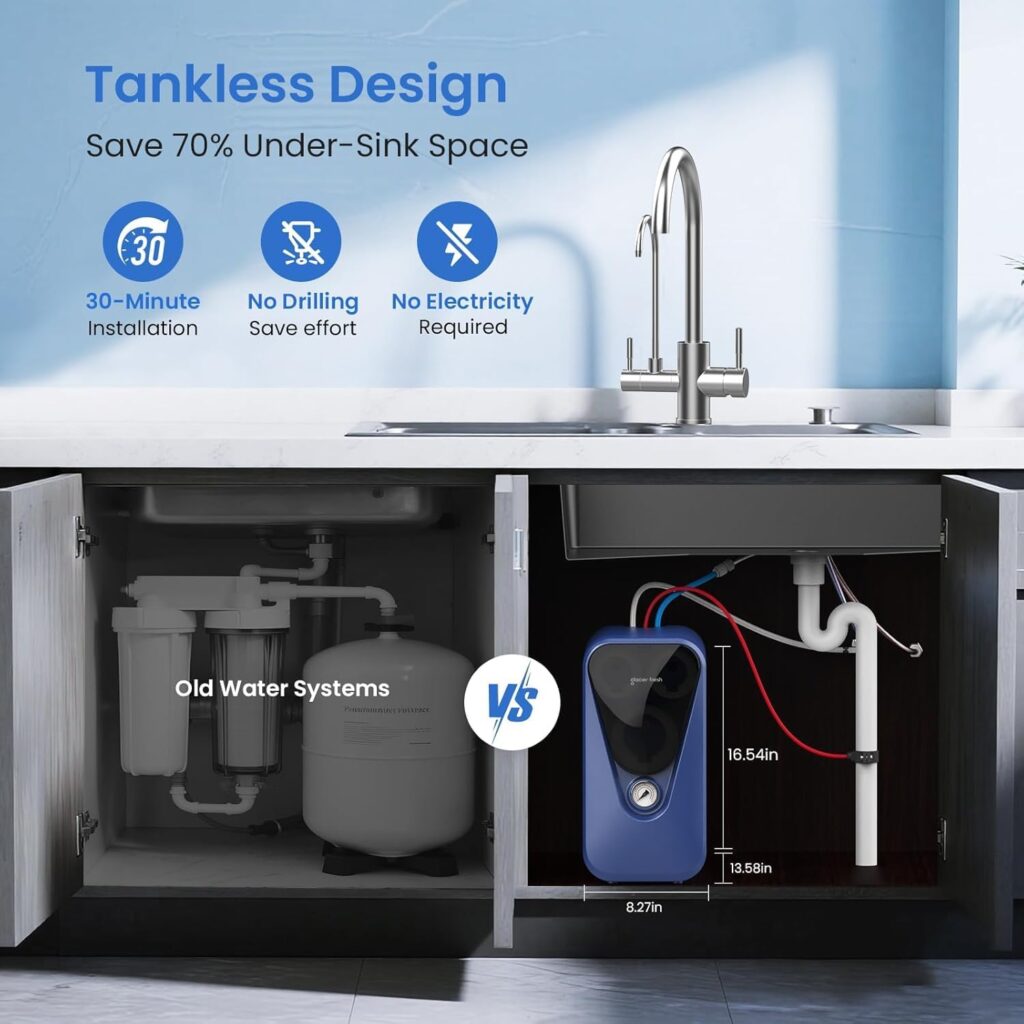
Traditional RO systems often used a separate tank to hold filtered water. While that setup worked, it also took up a lot of valuable under-sink space. For anyone who already stores cleaning supplies, trash bags, dishwasher pods, or extra household items under the sink, losing that much cabinet room can be annoying.
Those older tanks could also make the whole area feel cluttered. Instead of a clean, streamlined setup, the cabinet could end up looking crowded with tubes, filters, and a large tank taking up most of the space.
Wastewater Concerns
Older reverse osmosis systems were also known for producing a lot of wastewater during the filtration process.
That does not mean RO is not worth using, but efficiency matters. A system that wastes too much water can feel less practical, especially for households that are trying to be more mindful about water usage.
This is another area where newer systems have improved. Better efficiency means you can still get the benefits of reverse osmosis without feeling like the system is using more water than necessary.
Noise and Power Requirements
Some RO systems also require electricity, which can add another layer of setup and inconvenience.
Depending on the kitchen layout, needing a power source under the sink can be a problem. It may also mean more parts, more noise, and more things to think about long term. For many homeowners, the best home upgrades are the ones that quietly do their job without adding extra maintenance or extra steps.
That is why a system that works without electricity can feel like a much cleaner, simpler solution.
What’s Changed With Modern RO Systems
The biggest change with modern reverse osmosis systems is simplicity.
Newer systems are being designed around real-life use. That means faster installation, a smaller footprint, better efficiency, and easier maintenance. Instead of feeling like something only a plumber would want to deal with, reverse osmosis is becoming a much more approachable upgrade for everyday homeowners.
The overall experience is more streamlined. The systems are less bulky, the connections are more user-friendly, and the day-to-day use feels closer to turning on a normal faucet. That matters because even the best filtration system is only useful if people actually enjoy using it.
Modern RO systems are not just about better water. They are about making better water easier to access.
A Practical Example of a Simpler RO System
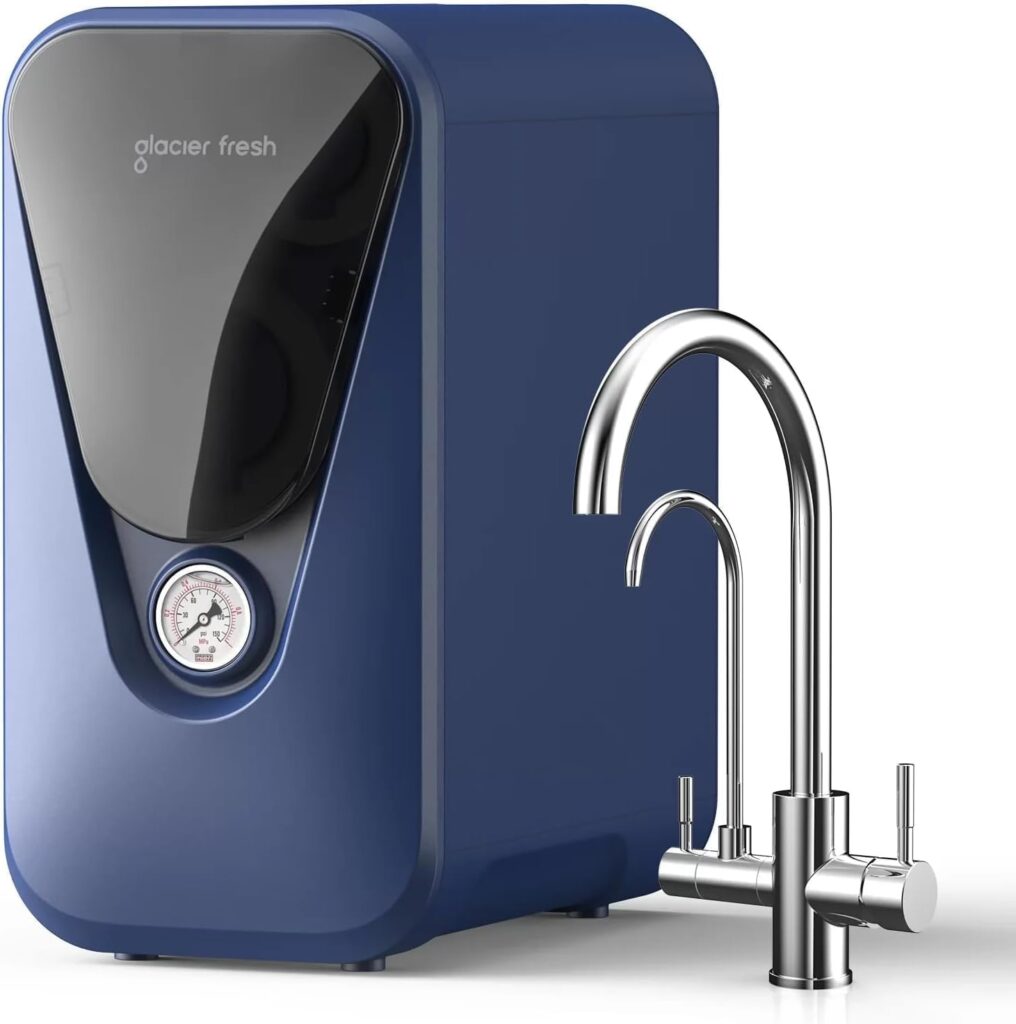
A good example of this newer approach is the GLACIER FRESH GFU03 Reverse Osmosis System.
This system is designed to remove many of the common barriers that used to come with reverse osmosis. It has a more compact design, a high-capacity output, and a setup that feels much more manageable than older under-sink systems.
For anyone who has avoided RO because it seemed too bulky or complicated, this kind of design makes the upgrade feel much less intimidating.
High Capacity Without the Wait
One of the standout features is its 800 gallons per day capacity.
In everyday terms, that means the system is built for fast water flow and steady use. Instead of waiting around for a slow stream of filtered water, the experience feels much closer to using a normal faucet.
That makes a big difference if you are filling multiple glasses, making coffee, filling a reusable bottle, or using filtered water while cooking. A system can have great filtration, but if the flow feels painfully slow, it becomes less convenient over time.
With a higher-capacity system, filtered water feels much easier to use throughout the day.
A More Advanced Filtration Process
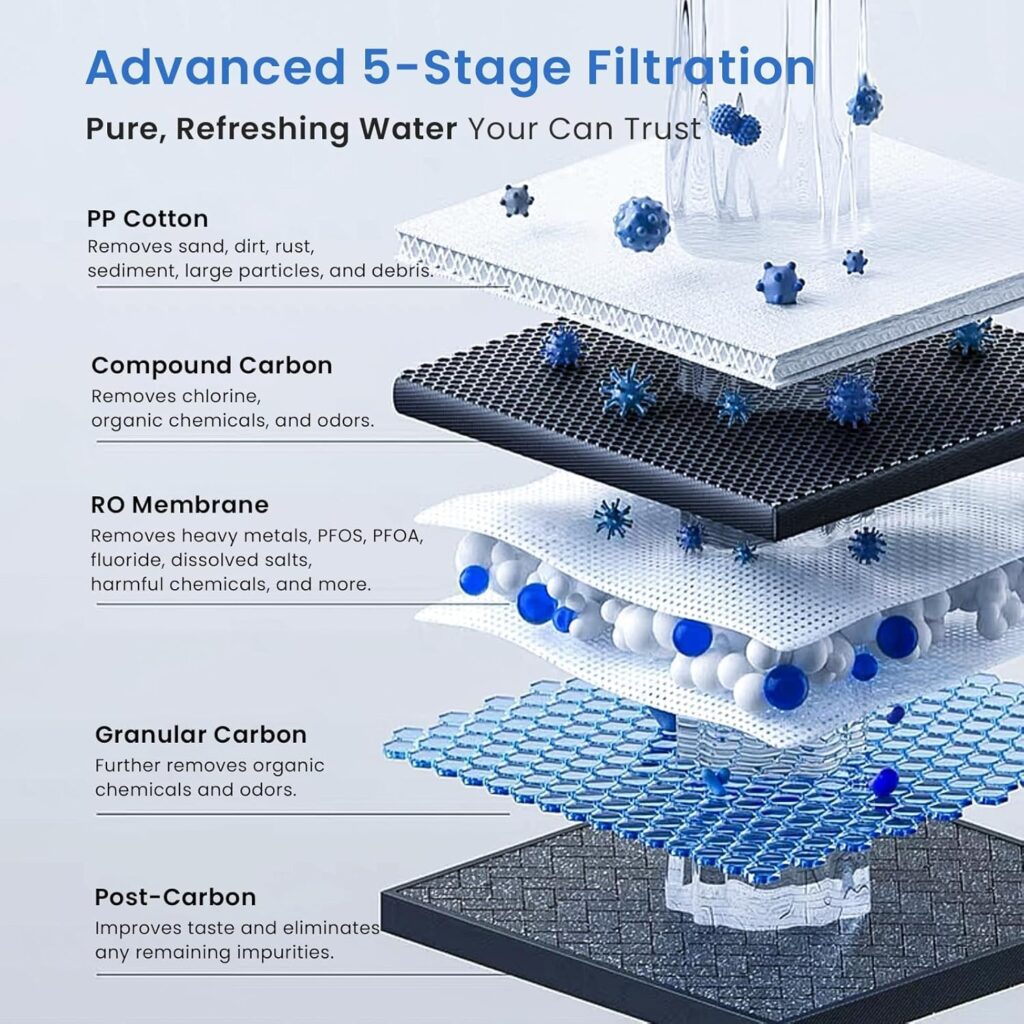
The system uses a 5-stage filtration setup that is designed to reduce a wide range of unwanted substances.
This includes total dissolved solids, commonly known as TDS, along with contaminants such as PFAS-related compounds, heavy metals like chromium and arsenic, fluoride, chlorine, and other common impurities that can affect the taste and quality of drinking water.
That is what makes reverse osmosis different from basic filtration. It is not only about making water taste better. It is about using a more thorough process to help create cleaner, more refined drinking water for everyday use.
For households that want a more serious water upgrade, a multi-stage RO system can feel like a major step up from bottled water, pitchers, or standard fridge filters.
Better Water Efficiency
One of the biggest improvements over older systems is the 3:1 pure-to-drain ratio.
That means the system is designed to produce three cups of clean water for every one cup of wastewater. Compared to many older reverse osmosis systems, that is a meaningful improvement in efficiency.
This matters because water waste has been one of the most common concerns people have about reverse osmosis. A more efficient system helps make the upgrade feel more practical for everyday use, especially if you plan to rely on it as your main source of drinking water.
Better efficiency is one of those features you may not think about every time you pour a glass, but it makes the system feel smarter and more modern overall.
A Setup That’s Actually Manageable
One of the biggest concerns people have with reverse osmosis systems is installation.
This is where newer designs really stand out.
With this system, setup is designed to take around 30 minutes, which is much faster than many traditional setups that can take several hours.
The system also uses an integrated faucet and drinking water setup, which helps simplify the overall process. Instead of piecing together a complicated collection of separate components, the design feels more organized from the start.
For many homeowners, that alone removes one of the biggest barriers. A water filtration upgrade should not feel like something you need to mentally prepare for all weekend. It should feel doable, clean, and straightforward.
For those who already have a hole drilled or are comfortable using a separate faucet, there is also an option to use a drinking water faucet-only setup. That gives the system more flexibility depending on your kitchen layout and how you want the finished setup to look.
Our Experience Installing It
When we installed the system, one of the first things we noticed was how much easier it felt compared to a traditional under-sink filter setup.
The push connections made the process simple and clean. Instead of needing a complicated set of tools or dealing with a confusing installation, the connections were straightforward and easy to understand. For the most part, the setup felt very approachable, even in the tight space under the sink.
The integrated design also made a huge difference. Traditional under-sink systems can take up a lot of cabinet space, especially when there is a separate storage tank and multiple bulky filter housings. This setup looked much more streamlined and instantly made the area under the sink feel cleaner and more organized.
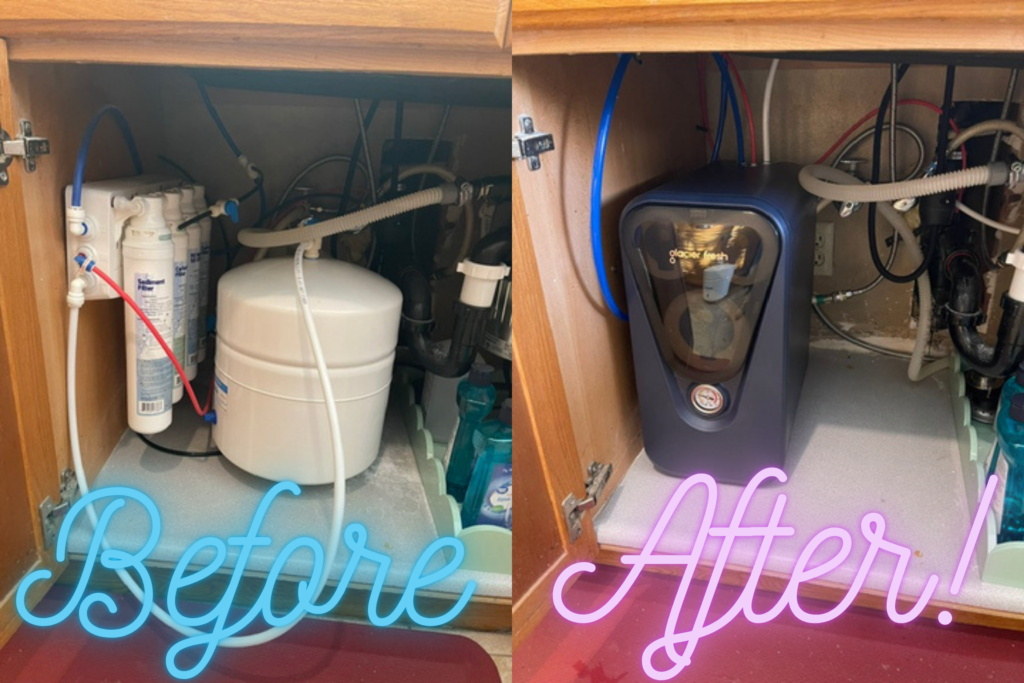
This is also where a before-and-after photo really helps show the difference. Before the installation, the cabinet space can look crowded with older filtration parts, tubing, or a bulky tank. After installing this system, the setup looks much neater and leaves more usable room under the sink.
Another thing we appreciated was how easy the filters were to access. With some traditional systems, changing filters can feel awkward because the housings are tucked away or difficult to reach. This design felt much more convenient, which makes routine maintenance seem a lot less intimidating.
The water pressure was also impressive. Sometimes filtered water systems start strong and then slow down after filling a couple of glasses, but that was not our experience. The flow stayed steady, and we did not feel like we were standing around waiting for water. Even after filling multiple glasses, the pressure still felt strong and easy to use.
For everyday use, that matters. A system can have great filtration, but if it is slow or annoying to use, people will eventually get frustrated. This one felt convenient, fast, and much more practical for daily drinking water.
No Electricity, No Noise
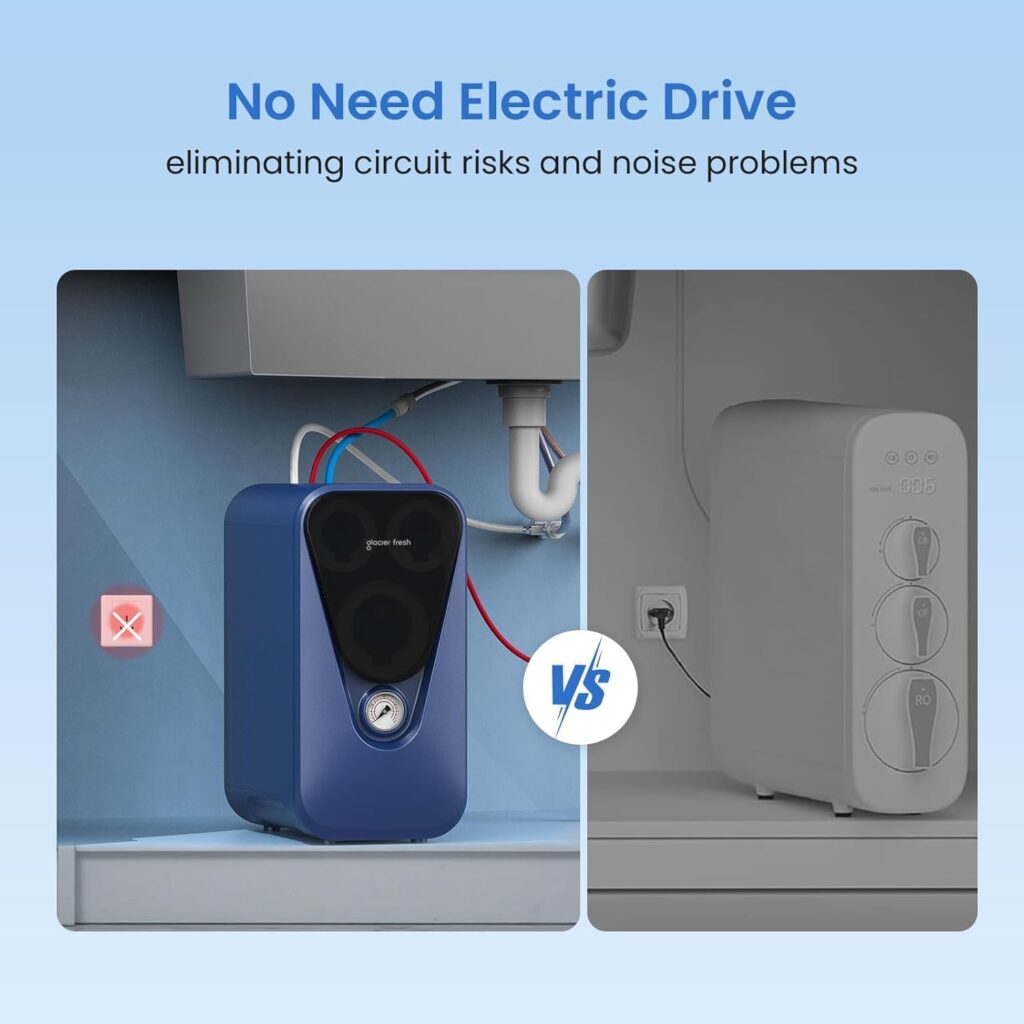
Another major advantage is that the system operates without electricity.
That keeps the setup simpler because you do not need extra wiring, a nearby outlet, or another powered device under the sink. It also means there is no ongoing energy use and no operating noise to think about during the day.
It is a simple detail, but it makes a noticeable difference in how the system feels once it is installed. You do not hear it running. You do not have to plug anything in. You just use the faucet when you want filtered water.
That kind of low-effort design is exactly what makes a home upgrade easier to live with long term.
A More Streamlined Design
The system also uses a tankless design, which solves one of the biggest issues with older reverse osmosis setups.
Without a bulky storage tank, the area under the sink feels much more open. The system has a cleaner, more modern look, and the overall setup is easier to work around when you need to grab something from the cabinet.
This is especially helpful in smaller kitchens or in homes where under-sink storage is already limited. Instead of losing most of the cabinet to a large tank, you get a more compact system that still delivers filtered water when you need it.
The streamlined design also helps the whole setup feel less intimidating. It looks more like a modern appliance and less like a complicated plumbing project.
Why This Matters for Everyday Use
The biggest difference with modern RO systems is not just the technology. It is how naturally they fit into your routine.
With older systems, filtered water could sometimes feel like something you had to plan around. The flow might be slow, the storage tank might take time to refill, or the setup might feel like one more thing to maintain.
A more modern system changes that experience. You turn on the faucet, fill your glass, and move on with your day.
That is what makes the upgrade feel worthwhile. Clean water should be easy to access, not something that feels like an extra chore.
Whether you are filling a water bottle before leaving the house, making coffee in the morning, rinsing produce, or grabbing a glass of water at night, the system becomes part of your normal kitchen routine.
Comparing It to Bottled Water
A lot of people rely on bottled water because it feels like the easiest way to get cleaner drinking water.
At first, bottled water can seem convenient. But over time, the cost adds up, the plastic waste piles up, and the constant restocking becomes annoying. Carrying heavy cases of water from the store to the car and then into the house is not exactly anyone’s favorite routine.
An under-sink reverse osmosis system offers a more consistent solution.
Once it is installed, filtered water is always available at home. There is no need to remember to buy another case, no bottles taking up pantry or fridge space, and no running out right when you need it.
It also makes reusable bottles much easier to use. Instead of grabbing single-use plastic bottles throughout the day, you can fill up at the sink and go.
For households that drink a lot of water, that convenience can make a big difference.
Who This Type of System Is Best For
A system like this is a good fit for people who want higher-quality drinking water at home without dealing with the usual hassle of older reverse osmosis systems.
It makes sense for households that are tired of buying bottled water, want a cleaner-tasting option for daily drinking, or prefer a low-maintenance setup that does not take over the entire cabinet under the sink.
It is also a strong option for anyone who has been interested in reverse osmosis but felt intimidated by installation. The simpler design, push connections, and compact layout make the process feel much more realistic for everyday homeowners.
If you want filtered water that feels easy to use, easy to access, and easy to maintain, this type of system is worth considering.
What to Expect After Installing
Once everything is installed, the experience is simple.
You can expect cleaner-tasting water, faster access to filtered water, and a more convenient daily routine. Instead of relying on bottled water or waiting on a slow filter pitcher, you have filtered water ready at the sink whenever you need it.
The compact design also helps keep the under-sink area more organized, which is something you notice right away if you are replacing a bulkier system. The easier filter access is another benefit because maintenance feels less like a big task.
The biggest thing you may notice is how quickly it becomes part of your routine. Once filtered water is that easy to access, you start using it for more than just drinking. It becomes the water you reach for when making coffee, filling the dog bowl, cooking pasta, or topping off a reusable bottle before heading out.
That is when the system starts to feel less like a gadget and more like a practical kitchen upgrade.
Final Thoughts
Reverse osmosis used to feel like a big commitment.
Between installation, maintenance, bulky tanks, and slow water flow, it was not always the easiest option for the average homeowner. The benefits were there, but the experience could feel more complicated than it needed to be.
Modern systems are changing that.
Systems like the GLACIER FRESH GFU03 Reverse Osmosis System show how far the technology has come. With faster installation, better efficiency, a tankless design, simple push connections, and easier filter access, reverse osmosis feels much more practical for everyday life.
After installing it, the biggest takeaway was how simple the whole setup felt compared to traditional systems. It saved space under the sink, the water pressure was strong, and the system was easy to use right away.
If you have been thinking about improving your drinking water, this is one of the simplest ways to do it.
It is not about adding complexity to your kitchen. It is about making clean water easier.
Thank you for reading this post, don't forget to subscribe to our newsletter!