Thick-looking hair is not only about genetics.
While some people are naturally born with denser strands, the appearance of fullness is influenced by daily habits, styling techniques, nutrition, and overall wellness. Many subtle factors affect how your hair looks and feels from one season to the next.
The good news is that small, consistent habits can make a noticeable difference over time.
If your hair feels flatter, finer, or less full than it used to, these everyday practices can help support thicker-looking strands and healthier volume.

1. Be Gentle When Washing
Overwashing strips the scalp of natural oils that protect and support hair health. When those oils are constantly removed, strands can become dry, brittle, and more prone to breakage.
For most people, washing two to four times per week is enough. Focus on massaging the scalp rather than aggressively scrubbing the lengths.
Use lukewarm water instead of hot water. Excessive heat can weaken hair and leave it looking dull and limp.
Healthy-looking hair starts with a balanced scalp.

2. Choose Volumizing Formulas Carefully
Lightweight shampoos and conditioners designed for fine hair can help prevent buildup that weighs strands down.
Avoid heavy creams or overly rich conditioners at the roots. Instead, apply conditioner from mid-length to ends.
Clarifying occasionally can also help remove product residue that flattens volume.
When hair is clean but not stripped, it naturally appears fuller.
3. Prioritize Scalp Health
Your scalp is the foundation of your hair.
Just like healthy soil supports plant growth, a well-cared-for scalp supports stronger, thicker-looking strands.
Simple scalp habits include gentle exfoliation once a week, scalp massage to encourage circulation, and avoiding overly tight hairstyles that strain roots.
A few minutes of daily scalp massage can improve blood flow, which helps nourish follicles over time.
4. Avoid Tight Tension Styles
Constant tension from tight ponytails, braids, or buns can lead to breakage and stress at the hairline.
Switch up your hairstyles. Use soft hair ties instead of elastics with metal parts. Let your hair rest between styles that pull at the roots.
Reducing tension helps maintain the density you already have.
5. Be Strategic With Heat Styling
Excessive heat damages the protein structure of hair, leading to split ends and thinning appearance.
If you use hot tools, always apply a heat protectant, use the lowest effective temperature, and limit heat styling to a few times per week.
Air drying when possible helps preserve thickness and strength.
Healthy strands reflect light better and appear more voluminous.
6. Focus on Nutrition
Hair is made primarily of protein. Without adequate nutrients, strands can become weaker over time.
A diet rich in lean proteins, leafy greens, healthy fats, iron and zinc, and biotin and B vitamins can support overall hair wellness.
Hydration also matters. Dehydrated strands look dull and limp.
Consistent internal support is just as important as topical products.

7. Consider Internal Hair Support
Sometimes, thinning appearance is not solely about styling. Stress, hormonal shifts, and nutrient gaps can all influence how full hair looks.
For those looking to support hair health from within, supplements designed to target root causes can be part of a broader routine. Products like Nutrafol are formulated with ingredients that aim to address stress, hormonal balance, and nutritional factors that impact hair wellness. Rather than focusing only on surface-level solutions, internal support can complement healthy habits like proper nutrition and gentle styling.
When paired with consistent scalp care and balanced nutrition, a targeted supplement may help support stronger, thicker-looking hair over time. As with any wellness product, consistency and patience are key.

Nutrafol
8. Use the Right Drying Technique
The way you dry your hair affects volume.
Instead of rubbing aggressively with a towel, gently blot excess water. Consider using a microfiber towel or cotton T-shirt to reduce friction.
When blow-drying, flip your head upside down for lift, use a round brush at the roots, and direct airflow upward to create volume.
Even changing the direction of your part can create instant fullness.

9. Trim Regularly
Split ends travel upward, causing strands to look thinner and frayed.
Regular trims every eight to twelve weeks keep ends looking fuller and healthier.
Even if you are growing your hair out, small maintenance trims preserve thickness.
10. Sleep Smart
Cotton pillowcases can cause friction and breakage.
Switching to silk or satin reduces pulling and tangling overnight.
You can also loosely braid your hair before bed to prevent excessive friction.
Reducing breakage protects density.
11. Minimize Chemical Processing
Frequent bleaching, perming, or chemical straightening weakens hair structure.
If possible, space out chemical treatments and invest in restorative masks between services.
Healthier strands naturally appear thicker.
12. Support Damaged Hair With Bond-Repair Formulas
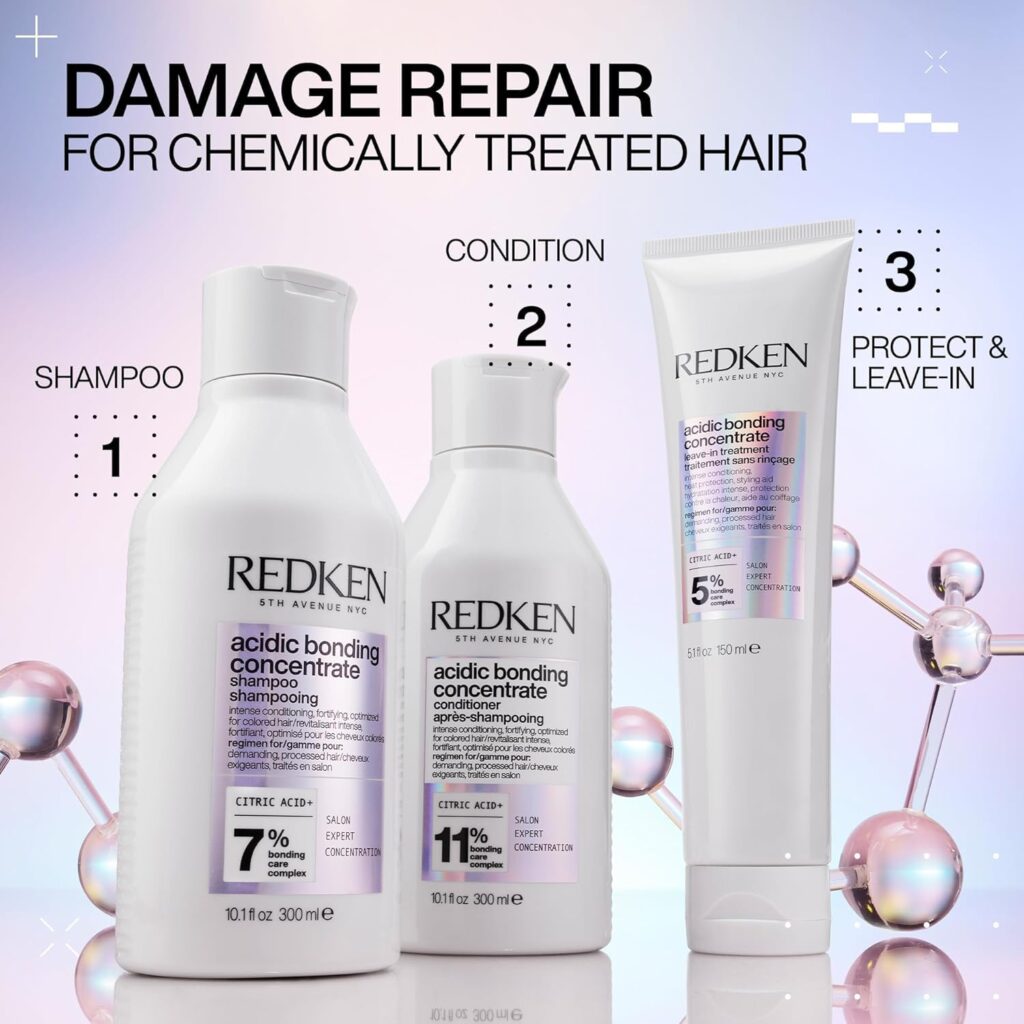
If your hair has been stressed by coloring, bleaching, heat styling, or chemical treatments, using strengthening products can help support healthier-looking strands over time.
Products like Redken Acidic Bonding Concentrate Shampoo are designed specifically for damaged and brittle hair. The sulfate-free formula uses citric acid and bonding technology to help strengthen weakened strands while cleansing gently. Hair that feels smoother, stronger, and less prone to breakage naturally tends to appear fuller and healthier overall.
13. Add a Lightweight Repair Oil for Shine and Strength
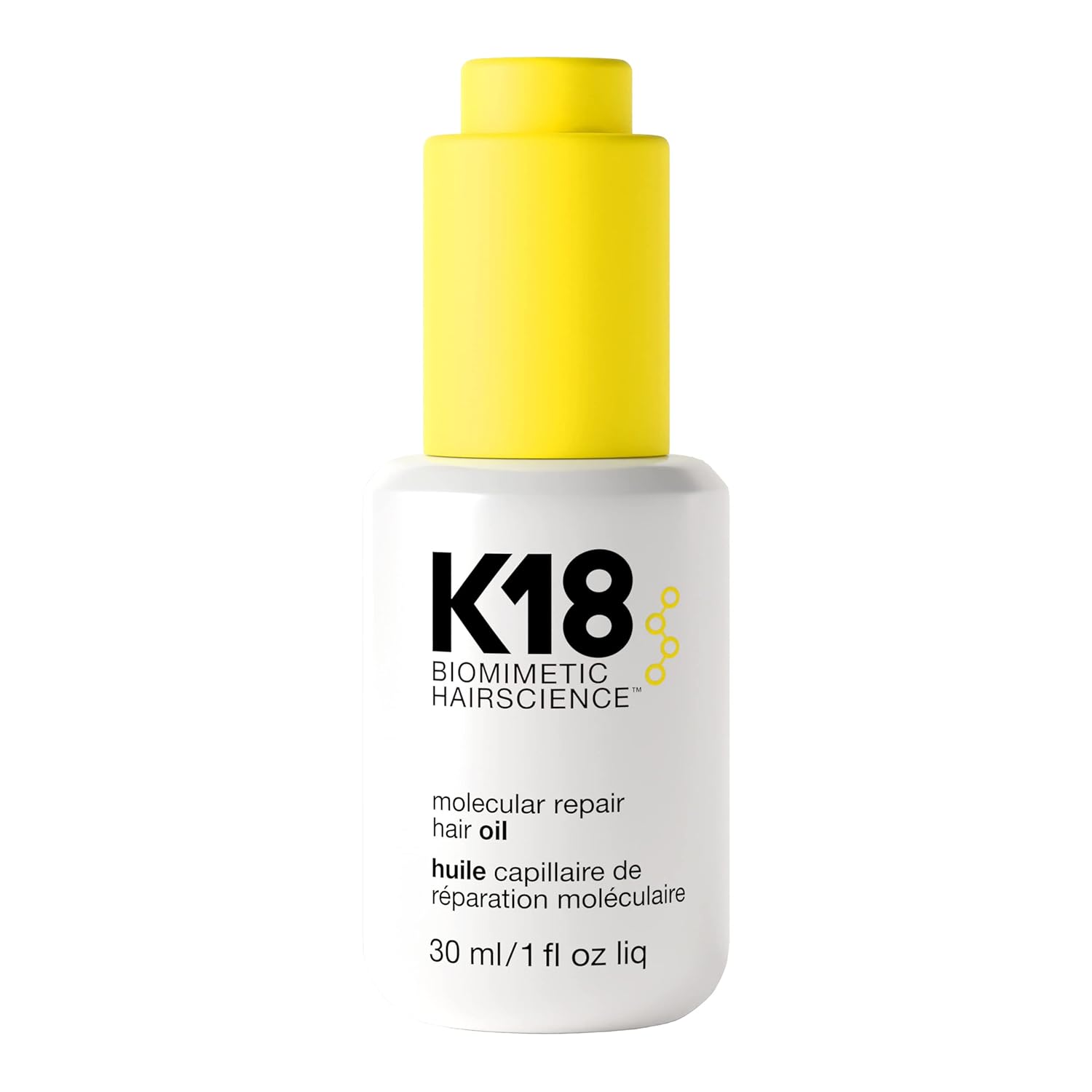
Hair oil can be tricky when the goal is thicker-looking hair. Heavy oils may add shine, but they can also make fine or flat hair look weighed down. That is why a lightweight repair-focused oil can be a smarter option for anyone who wants smoother, healthier-looking strands without sacrificing movement.
The K18 Molecular Repair Hair Oil is designed to be weightless while helping hair look stronger, healthier, and more polished. It is suitable for all hair types, which makes it easy to work into different routines, whether someone has straight, wavy, curly, fine, thick, color-treated, or heat-styled hair.
For hair that looks dull, frizzy, dry, or stressed from styling, a product like K18 Molecular Repair Hair Oil can help give strands a smoother, shinier finish while still keeping the overall look light. Used sparingly through the mid-lengths and ends, it can be a practical finishing step for hair that needs extra softness and a healthier appearance.
14. Use Lightweight Styling Products
Heavy styling creams and oils can flatten fine hair.
Look for root-lifting sprays, lightweight mousses, and volumizing foams.
Apply products primarily at the roots for lift rather than weighing down the ends.
Less is often more.
15. Manage Stress Levels
Stress can influence hair cycles.
Chronic stress may push more strands into the shedding phase. Incorporating stress-reducing practices like exercise, meditation, or even short daily walks can indirectly benefit hair health.
Thicker-looking hair is often connected to overall well-being.
16. Protect Hair From Environmental Damage
Sun exposure, pollution, and harsh weather can weaken strands.
Wearing hats in strong sun and using protective products can help maintain hair integrity.
Even simple habits like rinsing hair after swimming reduce damage.
17. Be Patient and Consistent
Hair growth cycles take time.
Most improvements in thickness or density do not happen overnight. Consistency with scalp care, nutrition, and gentle styling habits produces gradual but noticeable results.
Avoid constantly switching products. Commit to a routine long enough to evaluate progress.
The Bigger Picture
Looking thicker is often about preserving what you have while supporting healthy growth over time.
It is the combination of balanced washing habits, scalp care, smart styling, nutritional support, and stress management.
There is rarely one single solution. Instead, small daily choices accumulate into visible improvement.
Final Thoughts
If your hair feels less full than it once did, you are not alone. Many factors influence thickness, including age, hormones, stress, and daily habits.
The encouraging part is that you have control over many of those factors.
By treating your scalp gently, nourishing your body properly, protecting strands from damage, using lightweight repair products like K18 Molecular Repair Hair Oil, and maintaining consistent care, you can help your hair look healthier and fuller.
Thicker-looking hair is not about dramatic changes. It is about thoughtful, sustainable habits practiced daily.
And over time, those habits add up.
Thank you for reading this post, don't forget to subscribe to our newsletter!