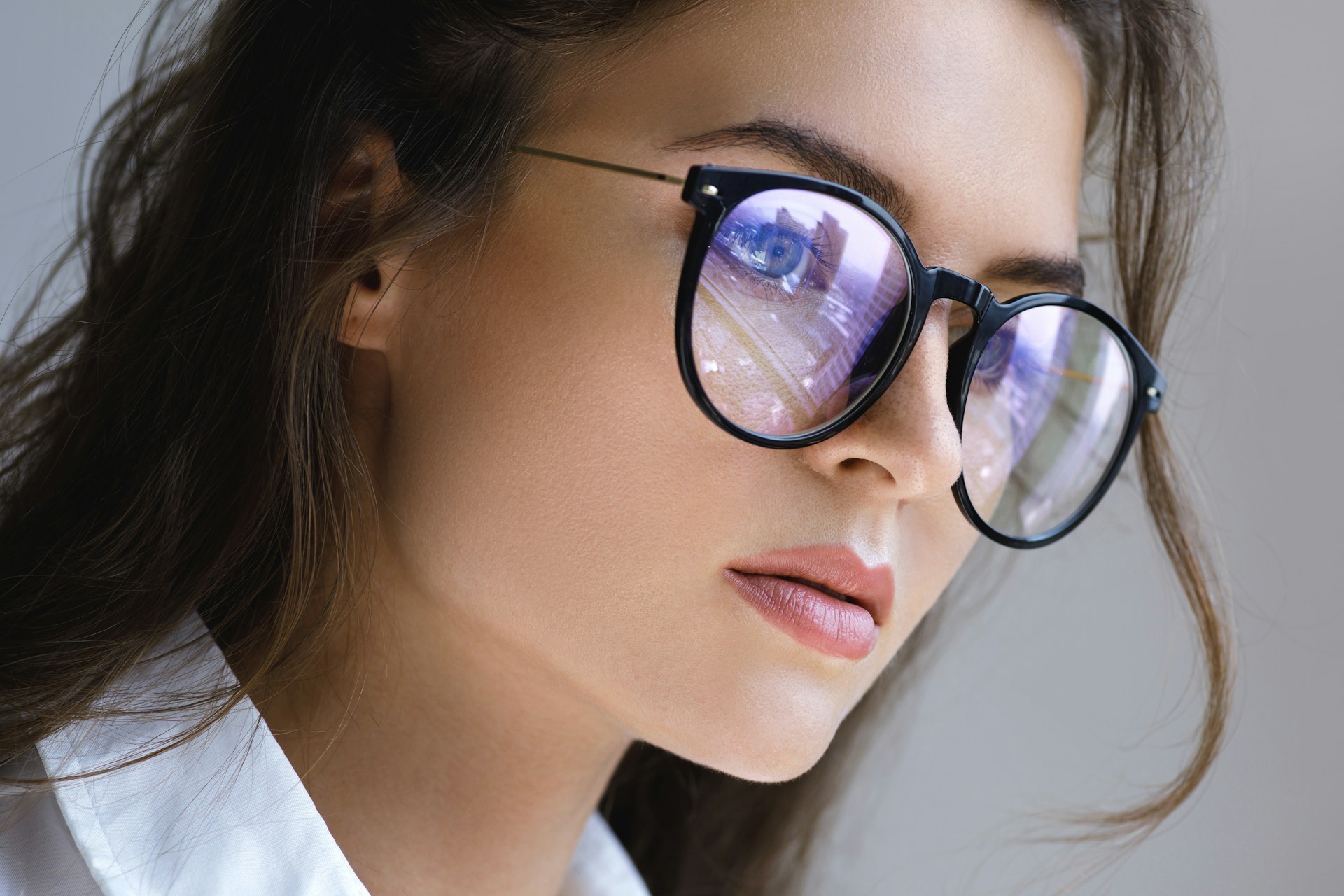
Choosing the right pair of glasses is about more than just correcting your vision. Glasses sit front and center on your face, which means the shape you choose can dramatically influence how balanced, polished, or confident you look. The right frames can enhance your features, while the wrong ones can feel distracting or uncomfortable, even if the prescription itself is perfect.
Understanding how your face shape interacts with different frame styles makes the process far easier. Instead of scrolling endlessly or trying on dozens of pairs with no clear direction, you can narrow your choices quickly and confidently. Whether you’re shopping in-store or online, this guide will help you choose glasses that truly suit your face.
Why Face Shape Matters When Choosing Glasses
Face shape plays a major role in how glasses look once they’re on. Frames don’t exist in isolation; they interact with your jawline, cheekbones, forehead, and overall proportions. The goal isn’t to change your face shape or hide it, but to create balance.
In most cases, contrast works in your favor. Softer face shapes benefit from more structured frames, while angular faces are flattered by rounded or curved styles. When the shape of your glasses complements the natural lines of your face, the result looks intentional and effortless.
How to Determine Your Face Shape
Before choosing frames, it helps to identify your face shape. Pull your hair back, look straight into a mirror, and focus on the outline of your face rather than individual features. Notice where your face is widest, how defined your jawline is, and whether your face appears longer or wider overall.
Most people fall into one of five general categories: oval, round, square, heart, or diamond. That said, many faces sit somewhere between two shapes. If that’s the case for you, it’s perfectly fine to borrow guidance from both categories and see what feels right.
Best Glasses for Oval Face Shapes
Oval face shapes are often considered the most versatile because their proportions are naturally balanced. The cheekbones are typically slightly wider than the jaw and forehead, creating a harmonious look that works with many styles.
Because oval faces don’t need much correction, glasses that add structure tend to look especially good. Rectangular and square frames create contrast and prevent the face from appearing too long or soft. Geometric frames and oversized styles can also work well, especially if you want a more fashion-forward look.
The main thing to avoid with an oval face is frames that are too narrow or too small, as they can throw off the natural balance of your features.
Best Glasses for Round Face Shapes
Round faces are characterized by softer curves, fuller cheeks, and similar width and length. When choosing glasses, the goal is to add definition and create the illusion of length.
Frames with angular lines tend to work best here. Rectangular and square styles help sharpen the face and provide contrast against rounded features. Slightly wider frames can also help balance fullness in the cheeks.
Very small or round frames often emphasize the roundness of the face, so they’re generally less flattering. Choosing frames with clean lines and a bit of structure can make a noticeable difference.
Best Glasses for Square Face Shapes
Square faces are defined by strong jawlines, broad foreheads, and angular features. While this creates a bold and striking appearance, glasses that are too rigid can exaggerate sharpness.
Frames with softer edges are usually the most flattering. Round or oval frames help smooth angular lines and create balance. Thin metal frames or lightweight designs can also soften the overall look without competing with strong facial features.
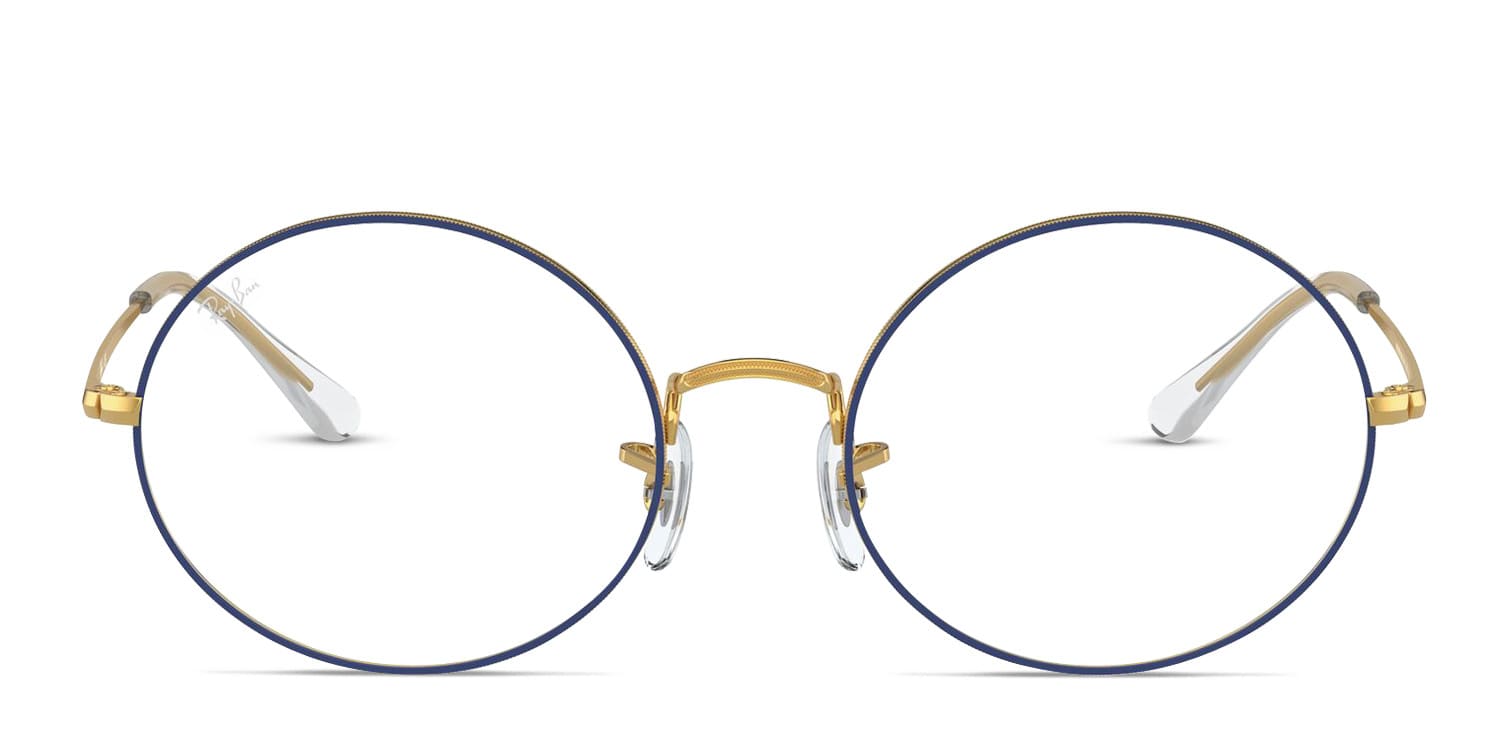
On the other hand, boxy frames with thick edges tend to highlight angles rather than balance them, so they’re usually best avoided for square faces.
Best Glasses for Heart-Shaped Faces
Heart-shaped faces are wider at the forehead and cheekbones and taper down toward a narrower chin. The goal when choosing glasses is to balance the upper portion of the face while drawing attention downward.
Frames with softer shapes, such as oval or round styles, tend to work well. Designs that are slightly heavier on the bottom can also help balance proportions. Rimless or thin frames are another good option if you prefer something subtle.
Very wide or top-heavy frames can exaggerate the forehead, so it’s usually better to opt for styles that feel light and balanced.
Best Glasses for Diamond Face Shapes
Diamond face shapes are defined by prominent cheekbones with a narrower forehead and jawline. This shape benefits from frames that add visual width to the upper part of the face.
Styles like cat-eye frames, oval shapes, and browline designs can work especially well. Frames with detailing or structure along the top help balance wider cheekbones and draw attention to the eyes.
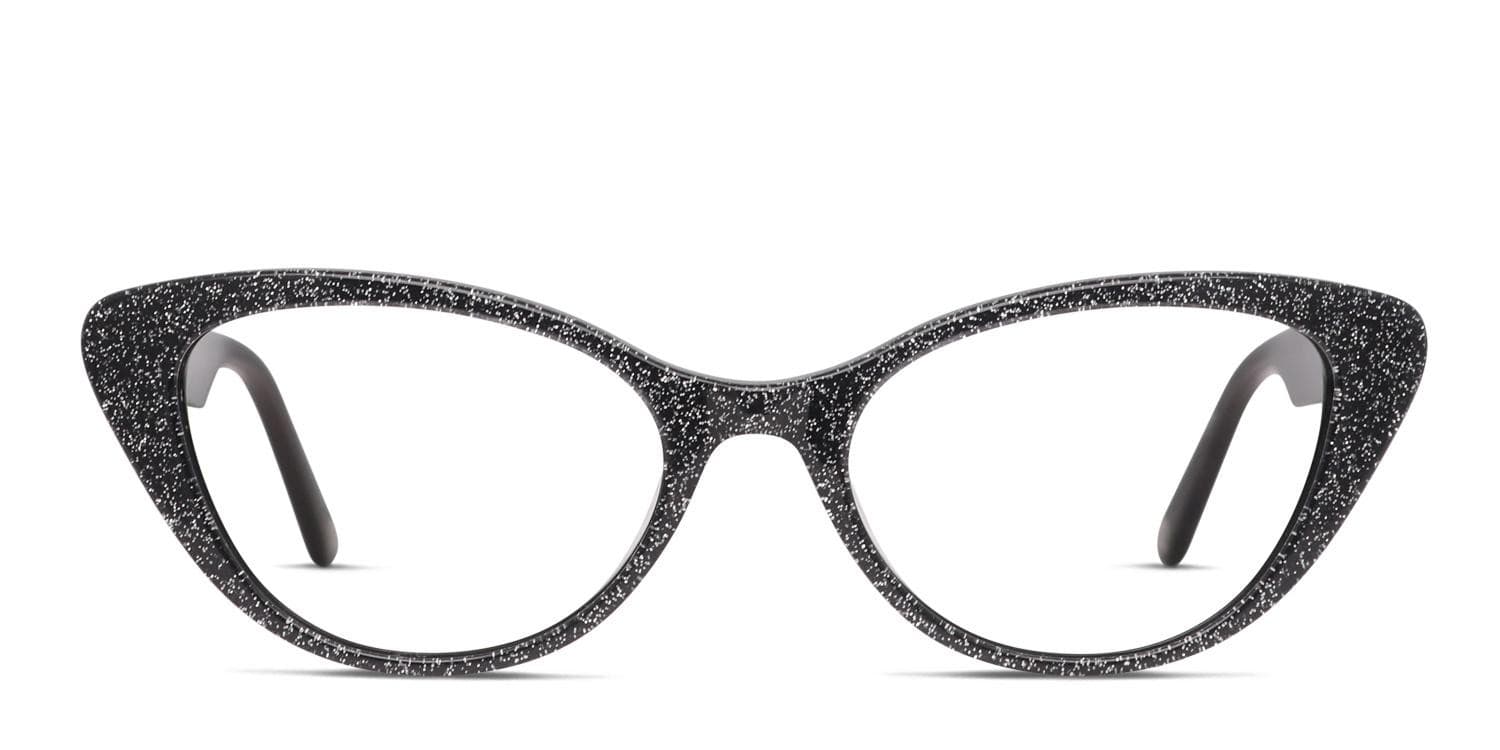
Narrow frames often emphasize the width of the cheeks, so slightly bolder designs tend to be more flattering.
Fit Matters Just as Much as Shape
Even the most flattering frame shape won’t look right if the fit is off. Glasses should sit comfortably on your nose without sliding, rest securely behind your ears, and align well with the width of your face.
Poor fit can make even expensive frames feel awkward or distracting. This is one reason why buying glasses online has become much easier than it used to be.
Why Buying Glasses Online Is Easier Than Ever
Online eyewear shopping has evolved significantly, making it a practical option for many people. Retailers like GlassesUSA offer tools that remove much of the guesswork that once made online shopping difficult.
One standout feature is their virtual try-on tool, which allows you to see how different frames look on your face before purchasing. This is especially helpful when comparing shapes or deciding between classic and bold styles.
Another advantage is selection. With over 9,000 frame options available, it’s far easier to find glasses that match your face shape, style preferences, and budget than it is in a traditional optical store with limited inventory.
How Virtual Try-On Helps You Choose Better Frames
Virtual try-on tools allow you to see how frames interact with your facial features in real time. You can compare different shapes, test frame widths, and explore styles you might not normally consider.
This is particularly helpful if you’re between face shapes or unsure which direction to go. Seeing frames on your face provides clarity that product photos alone can’t offer and makes the decision feel far more confident.
Style Tips Beyond Face Shape
While face shape is an important starting point, it shouldn’t be the only factor in your decision. Your lifestyle, wardrobe, and personality all matter.
If you wear glasses every day, neutral colors and classic shapes may feel more versatile. If you enjoy making a statement, bold colors or distinctive silhouettes can elevate your look. Comfort is also key, especially if you’ll be wearing your glasses for long periods.
The best glasses are the ones that fit your face, suit your lifestyle, and make you feel good wearing them.
Final Thoughts
Choosing the best glasses shape for your face shape doesn’t need to be complicated. Once you understand your facial structure and how different frame styles interact with it, the process becomes much more intuitive.
With modern tools like virtual try-on features and extensive online selections, finding the right pair is easier than ever. Taking the time to explore your options can lead to glasses that feel comfortable, look flattering, and reflect your personal style.
When shape, fit, and function come together, the result is a pair of glasses you’ll actually enjoy wearing every day.
Thank you for reading this post, don't forget to subscribe to our newsletter!