Understanding Why Foam Rolling Matters
Foam rolling has grown from a niche practice among physical therapists and athletes into a household self care tool for people who want reliable relief from sore muscles. At its core, foam rolling is a simple concept. The body benefits from pressure applied to tight areas because it helps muscles release tension, increases circulation and promotes mobility. Anyone who spends long hours sitting, trains consistently at the gym, or experiences tightness from daily stress can benefit from a proper rolling routine. What many people do not realize is that not all foam rollers work the same way, and choosing the right one determines whether the experience is soothing and effective or uncomfortable and unproductive. Knowing what features matter will help you select a roller that supports recovery and keeps muscles healthy.
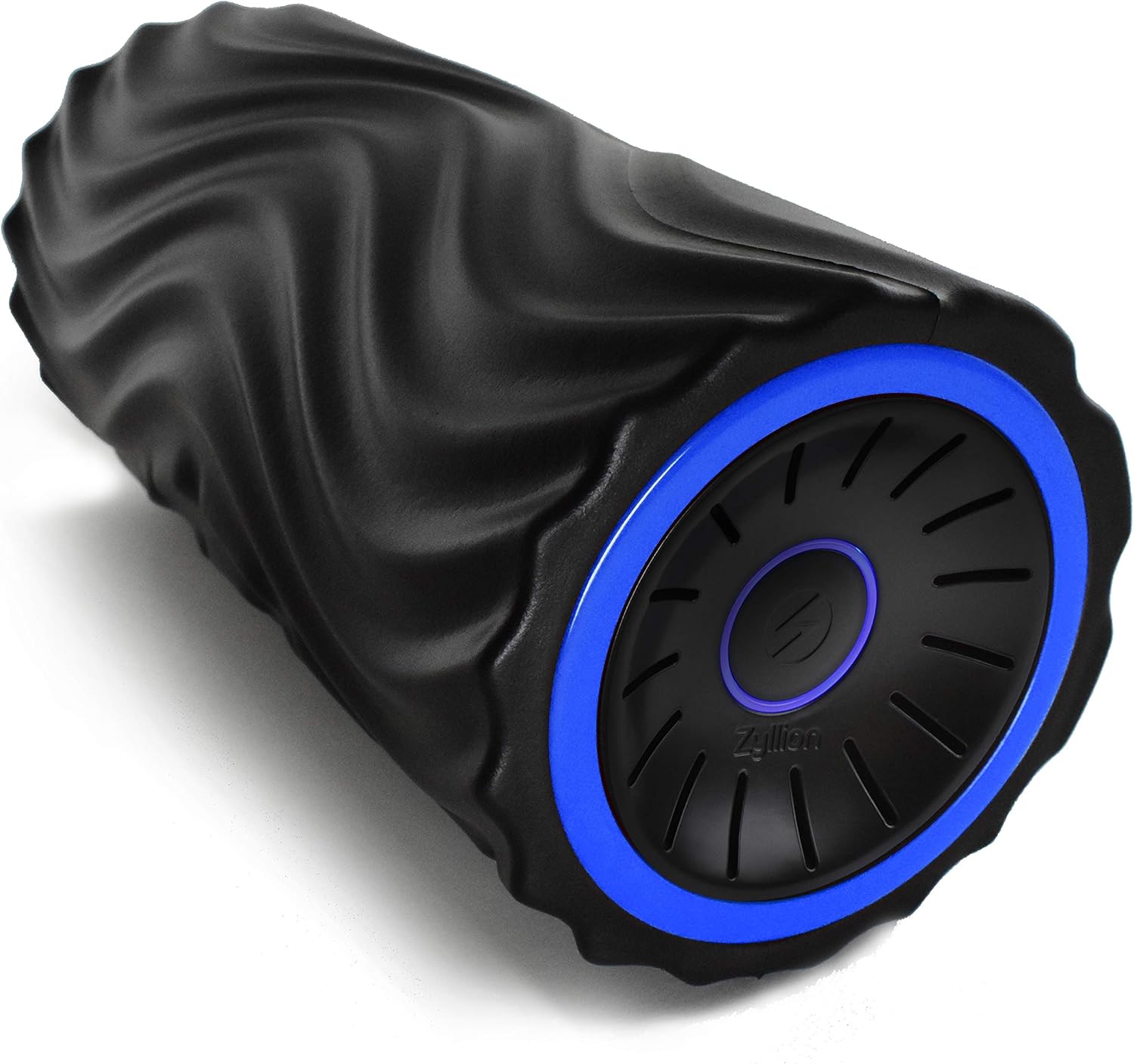
Zyllion foam roller for muscle recovery
How Foam Rolling Works on the Body
The main goal of foam rolling is to target muscle tissue through self myofascial release. This is a technique where pressure encourages knots and adhesions within muscle fibers to loosen. When muscles relax and lengthen, mobility improves, soreness decreases and the body recovers more efficiently after exercise or long sedentary periods. Some people think foam rolling is only for high performance athletes, but it is equally helpful for office workers, travelers, beginners starting a fitness routine or anyone who wants a convenient and cost effective way to manage muscular discomfort. A good foam roller mimics key aspects of hands on therapy. That means density, texture and shape influence how effectively it reaches deeper tissues. Because each person’s tolerance and goals vary, understanding these characteristics ensures you select the roller that suits your body rather than forcing your body to adapt to the wrong tool.
Choosing the Right Density for Pain Relief
Density determines how firm a foam roller feels and how intense the pressure will be. Softer rollers are best for beginners or extremely tight muscles because they provide a more forgiving surface, allowing your body to adjust gradually without overwhelming the tissue. Medium density rollers strike a balance between comfort and effectiveness. They suit most people and deliver reliable results without being too aggressive. High density rollers apply deeper pressure that reaches layers of muscle that softer materials cannot access. These are often preferred by experienced users or individuals with thicker muscle mass. Selecting the wrong density could discourage consistent use, so focus on comfort and control rather than intensity alone. A gradual progression is key because consistency matters more than a single intense session.

Zyllion vibrating foam roller for deep tissue relief
Surface Texture and Its Impact on Results
Texture is another important factor. A smooth roller spreads pressure evenly, making it suitable for sensitive users or people who want broad, gentle compression. Textured rollers include ridges or bumps that imitate the feel of fingers or knuckles pressing into tissue. These designs reach tight areas with more precision and can help break up stubborn trigger points. However, if you are new to rolling, starting with a smooth design can build tolerance and confidence. Once you become familiar with the technique, transitioning to a roller with contours may offer deeper relief. Ultimately, comfort and effectiveness should guide the decision. If a roller causes excessive discomfort or bruising, the body may tense instead of releasing, which defeats the purpose of recovery.
Why Product Innovation Matters for Muscle Care
Innovation plays a crucial role in modern recovery tools. A basic foam cylinder can be useful, but many people today prefer devices that go beyond traditional designs to offer extra support for targeted muscle therapy. This is where brands that focus on recovery technology stand out, because they consider features like ergonomic shapes, vibration technology and versatile textures that adapt to different body areas. One helpful tip you might hear from Zyllion is to look for a roller that fits both your body type and your lifestyle, since a model that suits your routine increases the likelihood that you will use it consistently.

The Role of Vibration in Muscle Release
Vibration technology has become a valuable addition to foam rollers because it enhances muscle relaxation and increases blood flow. By combining pressure with rhythmic motion, vibrating rollers can help loosen tissue more efficiently and reduce discomfort that sometimes occurs when rolling tight areas. A well designed vibrating roller allows you to adjust intensity, which makes it accessible to beginners and experienced athletes alike. According to Zyllion, using vibration turns passive pressure into dynamic relief, making sessions shorter but more productive. This approach reflects a growing focus on smart recovery solutions that integrate thoughtful engineering with usability.
Size and Shape Guide for Effective Rolling
Rollers come in different lengths and shapes, and each option serves a specific purpose. Full length rollers are ideal for large muscle groups such as the back or legs, while compact rollers are perfect for travel or targeting smaller areas. Peanut shaped rollers cradle the spine or fit under the neck, and they can be especially beneficial for people who struggle with traditional straight rollers. Zyllion notes that ergonomic contours help the body maintain proper alignment, which improves comfort and efficiency. Choosing the right shape means respecting how your muscles and joints move naturally, rather than forcing the body into awkward positions.
Durability as a Key Selection Factor
Durability is critical because foam rollers must withstand repeated pressure without losing shape. High density materials tend to last longer, and rollers with strong internal cores resist bending or warping. Some high quality brands, such as Zyllion, incorporate reinforced structures to maintain performance over time. Consistent pressure application demands structural integrity, particularly for users who roll frequently or weigh more. A roller that softens unevenly creates instability and reduces effectiveness. Investing in a well built product ensures the roller remains supportive and safe.

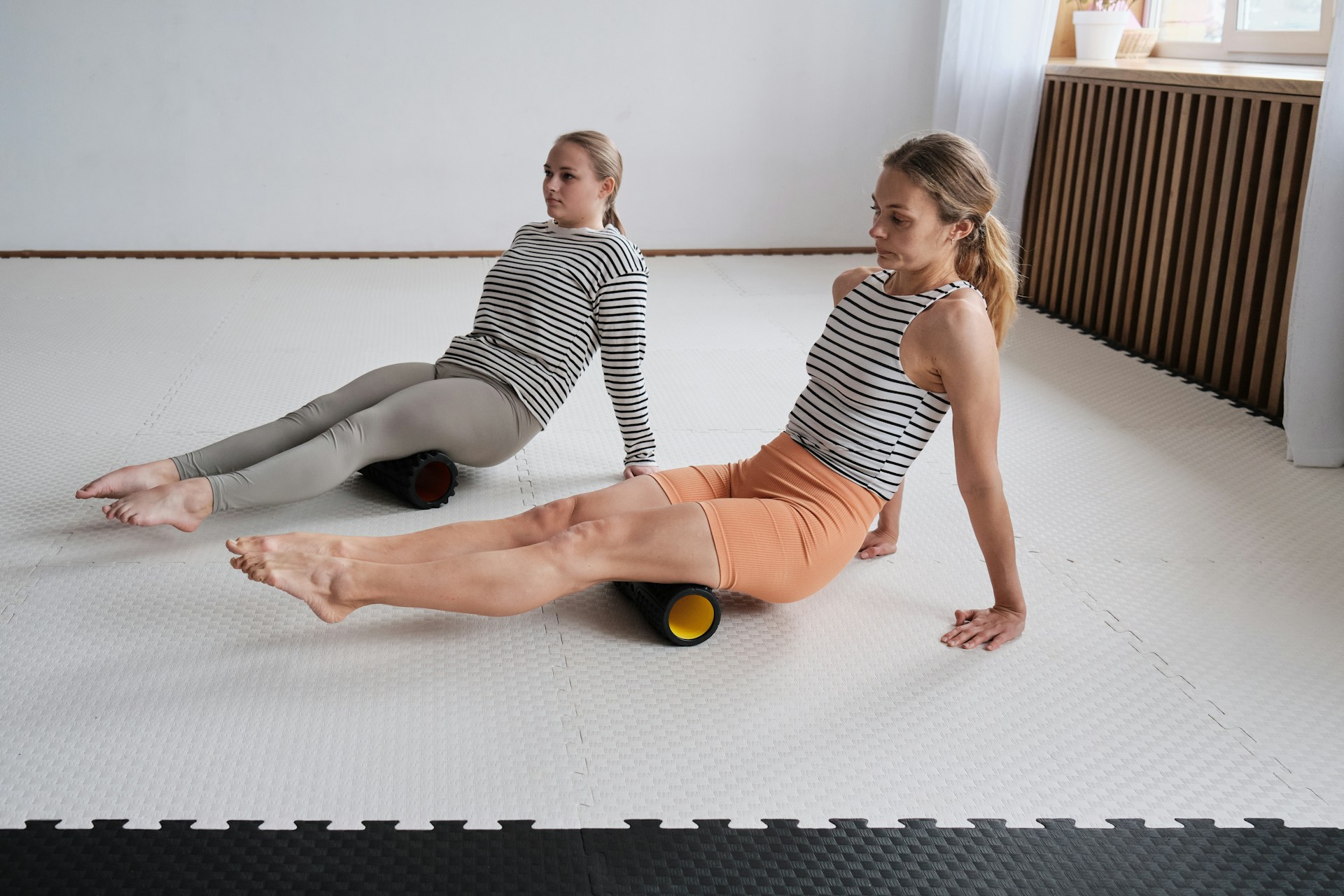
Promoting recovery through consistent foam rolling
Why Comfort Determines Consistency
Comfort influences whether foam rolling becomes a sustainable habit or a tool that collects dust in the corner. The right roller encourages regular use because it feels safe, manageable and rewarding. Foam rolling should provide relief and light discomfort, not sharp pain or dread. Zyllion suggests starting slowly, applying light pressure and breathing deeply to encourage relaxation. An effective roller should feel inviting rather than intimidating. When users associate rolling with relief and recovery, they return to it consistently and reap long term benefits.
Targeting Specific Muscle Groups
Different muscles respond differently to pressure, so a versatile roller can be valuable. A thicker roller may be perfect for the quadriceps or hamstrings, while a narrower design might reach the calves or lats more effectively. The back benefits from gentle curvature to avoid pressing directly on the spine. Zyllion often highlights the importance of using rollers designed for specific anatomical needs so that pressure lands safely on muscle tissue. Understanding your body and how it reacts to different shapes and densities will help you choose a roller that supports your personal recovery goals.
Building a Routine That Works
A foam roller is only useful when paired with a consistent routine. Even the most advanced roller will not deliver results without regular practice. Start slowly and increase duration as your body adapts. Rolling before exercise can warm muscles and improve mobility, while rolling afterward can promote recovery and reduce stiffness. Breathe deeply, move slowly and listen to your body. Over time, you will develop awareness of how each area responds and understand which techniques feel most effective. This mindful approach turns foam rolling into a sustainable part of your wellness routine.
The Value of Smart Recovery Choices
Selecting the right foam roller is ultimately about respecting your body and choosing tools that make care accessible and enjoyable. A high quality roller supports your health journey by offering comfort, durability and performance. Brands like Zyllion demonstrate how innovation and thoughtful design can elevate a simple tool into something that truly enhances daily life. As you build your routine, focus on how your muscles feel, celebrate small improvements in mobility and appreciate the relief that comes from giving your body consistent attention. With the right roller and a patient approach, foam rolling becomes more than a recovery method. It becomes a practical and empowering way to take control of muscle health and daily comfort.
Thank you for reading this post, don't forget to subscribe to our newsletter!