
If you’ve ever found yourself wide awake at 3 a.m. replaying the same worries over and over, or wondering why you feel wired even when you’re exhausted, there’s a good chance cortisol is involved. This hormone doesn’t get as much attention as serotonin or dopamine, but it quietly influences how we feel, sleep, eat, and even think.
Understanding cortisol isn’t just for scientists or doctors; it’s for anyone who wants to feel balanced, rested, and less stressed. Because when cortisol is out of control, almost everything in your body feels the ripple effect.
Swanson
What Exactly Is Cortisol
Cortisol is a hormone produced by your adrenal glands, two small glands that sit on top of your kidneys. It’s often called the “stress hormone” because your body releases it in response to stress — physical, emotional, or even environmental.
But here’s the twist: cortisol isn’t the villain. In fact, it’s essential for life. When balanced, cortisol helps regulate your metabolism, control blood pressure, manage your sleep-wake cycle, and even reduce inflammation. It’s part of the reason you can wake up in the morning feeling alert, and it gives you bursts of energy when you need them.
The problem starts when stress becomes chronic. Your body doesn’t always know the difference between being late for work and being chased by a lion. So it reacts the same way; by releasing more cortisol.
The Role of Cortisol in Your Body
Cortisol follows a natural rhythm known as the circadian cycle. Levels typically peak in the morning to help you wake up and gradually decline throughout the day, reaching their lowest point at night to allow for rest and recovery.
When this rhythm stays balanced, your body functions smoothly. But when it’s disrupted — often due to ongoing stress, poor sleep, excessive caffeine, or irregular eating habits; cortisol can remain elevated at the wrong times, leaving you tired, tense, and foggy-headed.
Think of cortisol like your body’s internal thermostat for stress. It’s supposed to rise and fall gently, not stay stuck on “high.”

Swanson
What Happens When Cortisol Is Too High
Chronically elevated cortisol levels can create a cascade of effects that impact both body and mind. Some of the most common symptoms include:
- Trouble sleeping — feeling wired at night or waking up frequently
- Fatigue — especially the “tired but can’t sleep” kind
- Increased belly fat — high cortisol can promote fat storage around the abdomen
- Brain fog — difficulty concentrating or staying focused
- Cravings — especially for sugar or salty foods
- Low mood or irritability — cortisol influences serotonin and dopamine balance
What Happens When Cortisol Is Too Low
While high cortisol gets most of the attention, low cortisol levels can be just as problematic. This condition, often linked to adrenal fatigue or burnout, can leave you feeling drained no matter how much you sleep.

Swanson
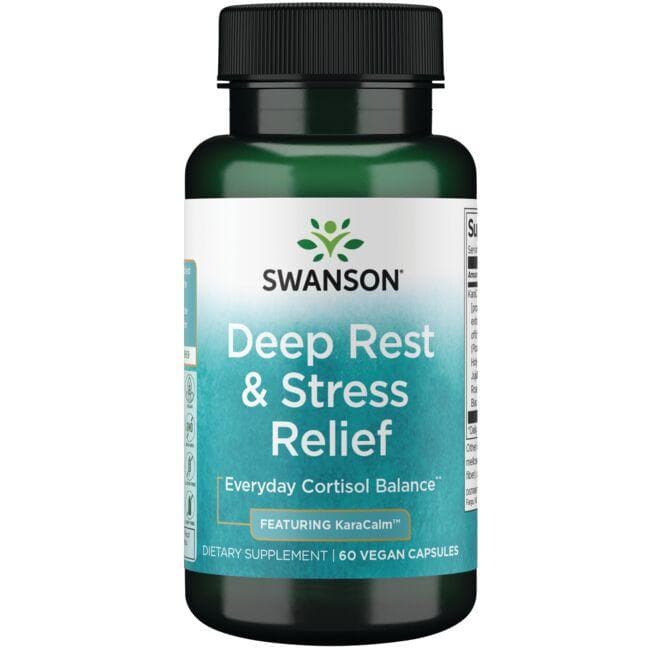
Swanson’s Deep Rest and Stress Relief
When your mind won’t shut off or your body feels like it’s running on fumes,
Swanson’s Deep Rest and Stress Relief
offers a natural, science-backed way to help your body reset.
What people love most about products like
Swanson’s Deep Rest and Stress Relief
is how natural the experience feels.
Final Thoughts
The next time you find yourself feeling frazzled, remember that your body isn’t broken; it’s just signaling for a reset. Take time to rest, nourish yourself well, and consider adding natural support like
Swanson’s Deep Rest and Stress Relief
to your nightly routine.
Because when cortisol is balanced, your mind and body can finally exhale, and that’s when true rest begins.
Thank you for reading this post, don't forget to subscribe to our newsletter!