Why Everyday Cleaning Matters
Cleaning is one of the most common routines in every household, yet its impact extends far beyond spotless rooms or fresh laundry. The products chosen for these daily tasks can influence both personal wellbeing and the environment. For much of the twentieth century, cleaning relied on chemical additives, synthetic fragrances, and brightly packaged solutions. These products offered quick results but also carried hidden costs. Skin irritation, respiratory discomfort, and long term environmental harm revealed that the idea of clean was not always truly safe.

Shifting Views on What Clean Means
Over time, families began to question whether stain free clothing or sparkling countertops should come at the expense of health. Reports linked conventional cleaning products to asthma, eczema, and ecological imbalance. Chemicals washed down drains often ended up in waterways, fueling algae blooms and disrupting ecosystems. This awareness drove consumers to seek alternatives, reshaping the definition of clean to include health, safety, and responsibility toward the planet.
The Problems with Conventional Formulas
Many traditional products contain ingredients such as phosphates, chlorine, ammonia, or optical brighteners. While effective against dirt and stains, these substances may trigger allergies, irritate skin, or contribute to long lasting pollution. Synthetic fragrances, designed to mask harsh chemical smells, can cause headaches or breathing difficulties for sensitive individuals. These drawbacks emphasize the need for safer options that deliver results without additional risks.
The Rise of Plant Based Cleaning
One major response to these concerns has been the growth of plant based cleaning formulas. Natural surfactants and enzymes effectively break down stains and odors while remaining gentle on skin and safer for aquatic life. The appeal lies not only in their reduced toxicity but also in their performance. Advances in biotechnology have made these solutions stronger than early versions, proving that safety and cleaning power can coexist. This balance has made plant derived options increasingly popular among households.
Performance and Scientific Progress
The effectiveness of non toxic cleaners was once questioned, as early products sometimes fell short compared to conventional brands. Modern enzyme based formulas, however, target specific stains such as proteins, oils, and starches, achieving results that match or exceed chemical alternatives. This scientific progress has built consumer trust and demonstrated that high performance can go hand in hand with safer ingredients.

Packaging and Environmental Responsibility
Beyond formulas, packaging plays a major role in the impact of cleaning products. Conventional bottles often rely on single use plastics, creating waste that lingers in landfills or pollutes oceans. Eco friendly brands address this problem through refill systems, allowing containers to be reused. Concentrated formulas packaged in lightweight pouches reduce both production and disposal burdens. These innovations align with the global shift toward reducing single use plastics and minimizing environmental footprints.
Creating Safer Homes
For families, the greatest advantage of non toxic cleaning is peace of mind. Parents want assurance that floors, surfaces, and clothes are safe for children and pets. By removing harsh chemicals and synthetic fragrances, safer cleaning products lower the risk of allergies and respiratory problems. They create homes where everyday routines contribute to wellbeing rather than compromise it. The connection between household safety and quality of life is a key reason behind the growing popularity of chemical free solutions.
A Simple Way to Manage Odors Naturally
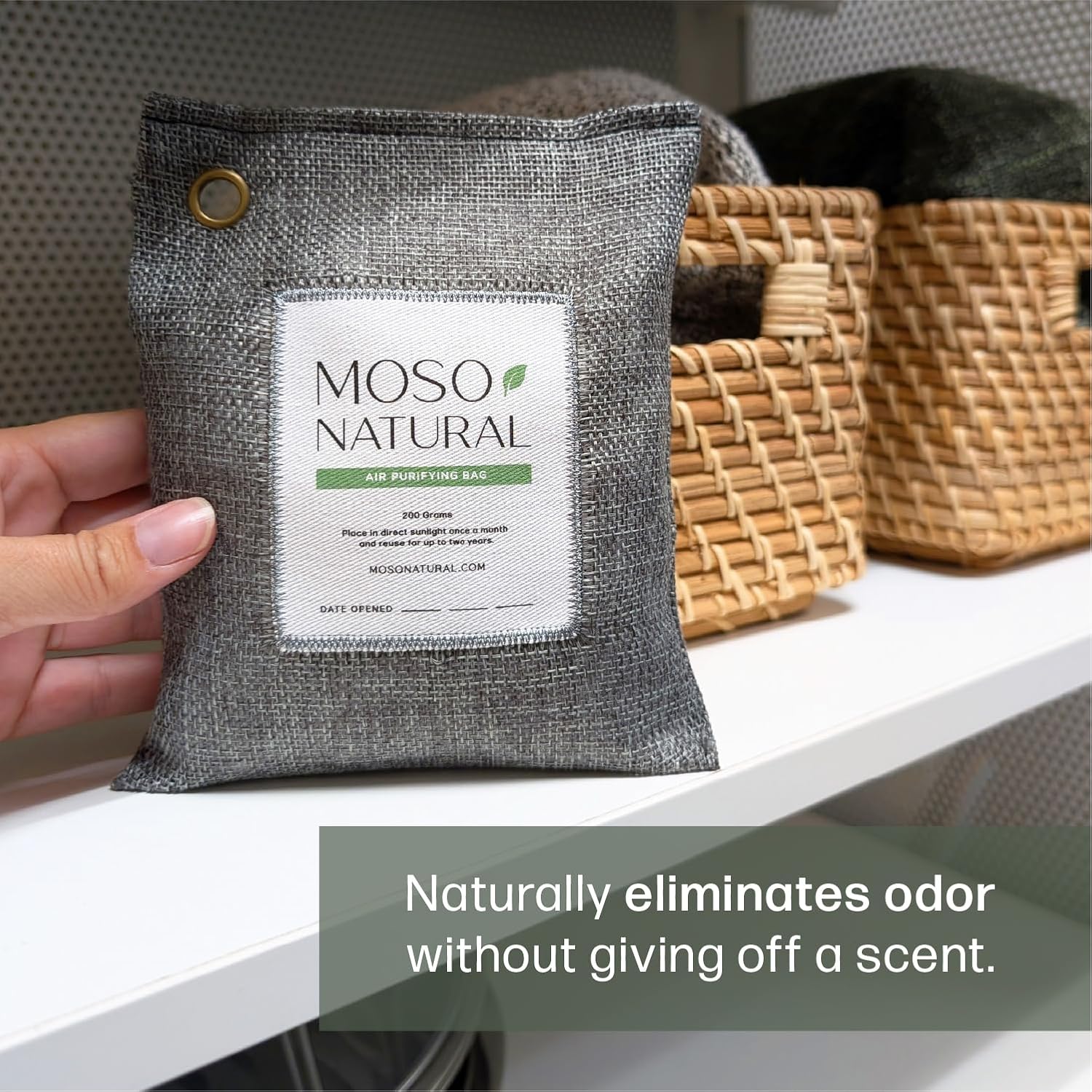
Clean homes are not only about what you remove, but also how you manage lingering odors without introducing more chemicals. Many air fresheners rely on artificial fragrances that simply mask smells rather than eliminate them. A more natural approach is using charcoal odor absorbers, which work by trapping moisture and odor particles from the air. These solutions are fragrance free, maintenance free, and ideal for areas like closets, bathrooms, laundry rooms, cars, and entryways.
The MOSO Natural bamboo charcoal air purifying bags are a popular choice for households looking for long lasting odor control without chemicals. Made from premium bamboo charcoal and covering up to 90 square feet, these bags quietly absorb unwanted smells instead of covering them up. Recognized as an HGTV Editor’s Pick, they can be refreshed in sunlight and reused for up to two years, making them a sustainable and low effort addition to a healthier home environment.
Considering the Cost
Although natural cleaning products can appear more expensive at first glance, concentrated formulas and refill systems often prove more cost effective over time. These products stretch further than standard bottles and help reduce household waste. More importantly, avoiding health issues associated with harsh chemicals can save on medical costs. When viewed holistically, investing in safer cleaning solutions is both practical and economical.
Transparency and Consumer Trust
Transparency is central to the growth of safer cleaning. Ingredient disclosure and third party evaluations empower consumers to make informed decisions. Organizations such as the Environmental Working Group provide safety ratings, allowing people to compare options with confidence. Brands that openly submit to review show accountability and earn greater trust. This commitment to openness has become essential in the transition toward non toxic, eco conscious cleaning.
Truly Free as a Leader
Truly Free, founded in Traverse City, Michigan in 2015, represents one of the leading examples of this movement. The brand began when a family sought alternatives after discovering their child’s rash was linked to laundry detergent. Since then, Truly Free has committed to creating plant based, toxin free cleaning solutions free from phosphates, chlorine, and synthetic fragrances. Their refill systems minimize single use plastics, making them as sustainable as they are safe. Today, Truly Free serves hundreds of thousands of households, showing that effective performance and environmental care can work together.

The Wider Movement Toward Change
The success of companies like Truly Free highlights how consumer expectations have shifted. What once seemed like a niche preference has become a mainstream demand. Families actively seek alternatives that align with their values of health and sustainability. Subscription based refill systems and recognition from independent organizations have made the transition more accessible than ever. This trend reflects a larger cultural change where safety and responsibility are considered inseparable from everyday cleanliness.
Looking to the Future
The future of non toxic cleaning is filled with potential. Research continues to improve plant based formulas, while packaging innovations aim for zero waste solutions. As education spreads, more families will recognize the impact of their choices on both health and the environment. Demand for effective, safe, and sustainable cleaning options will continue to grow, shaping the direction of the industry in the years ahead.
Conclusion
Cleaning should never come at the cost of health or the environment. Plant based ingredients, refillable packaging, and transparent practices are redefining what it means to be truly clean. Truly Free demonstrates that it is possible to protect both families and the planet without sacrificing performance. In today’s world, safe cleaning solutions are not just an alternative. They represent the future of a healthier, more sustainable way of living.
Thank you for reading this post, don't forget to subscribe to our newsletter!