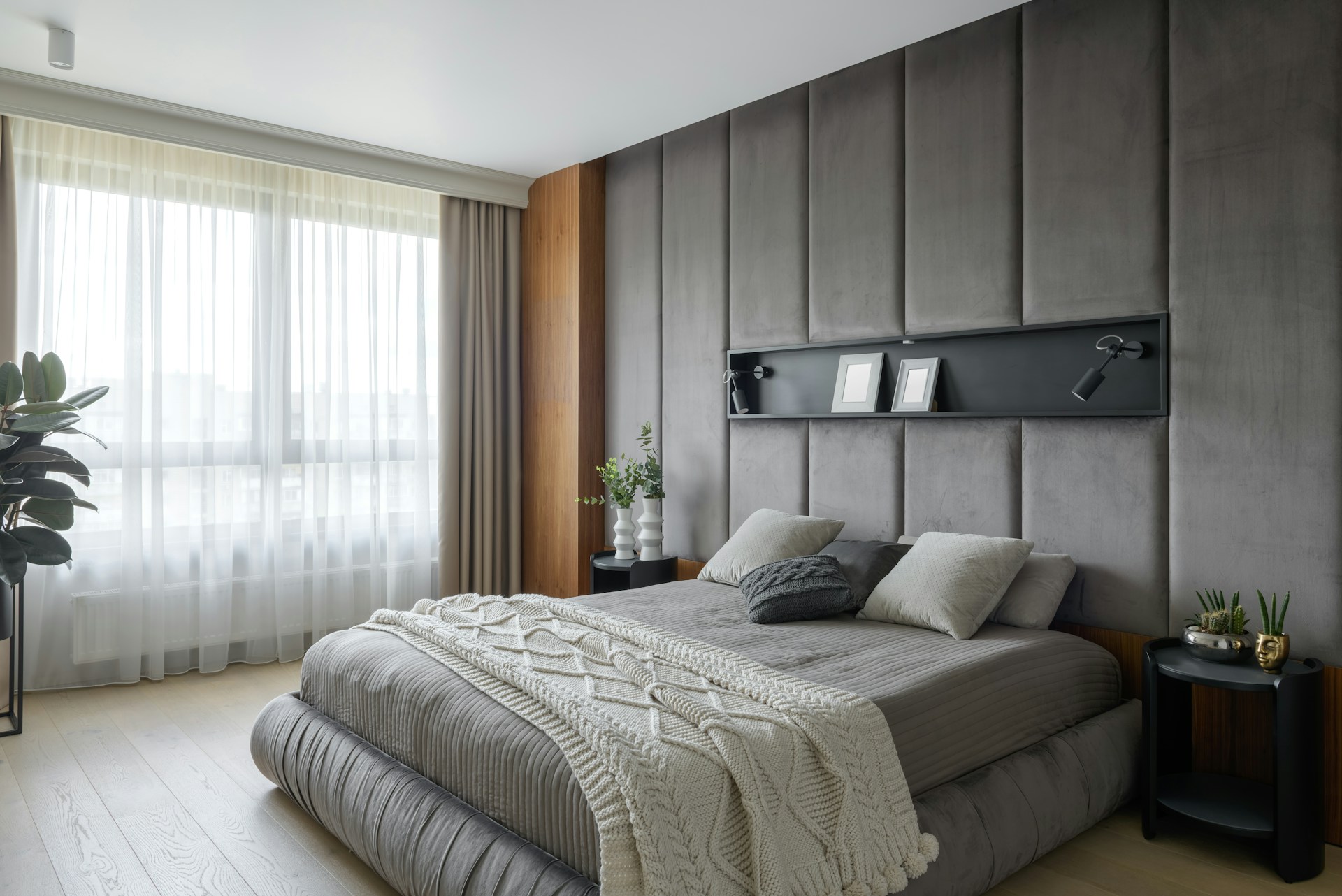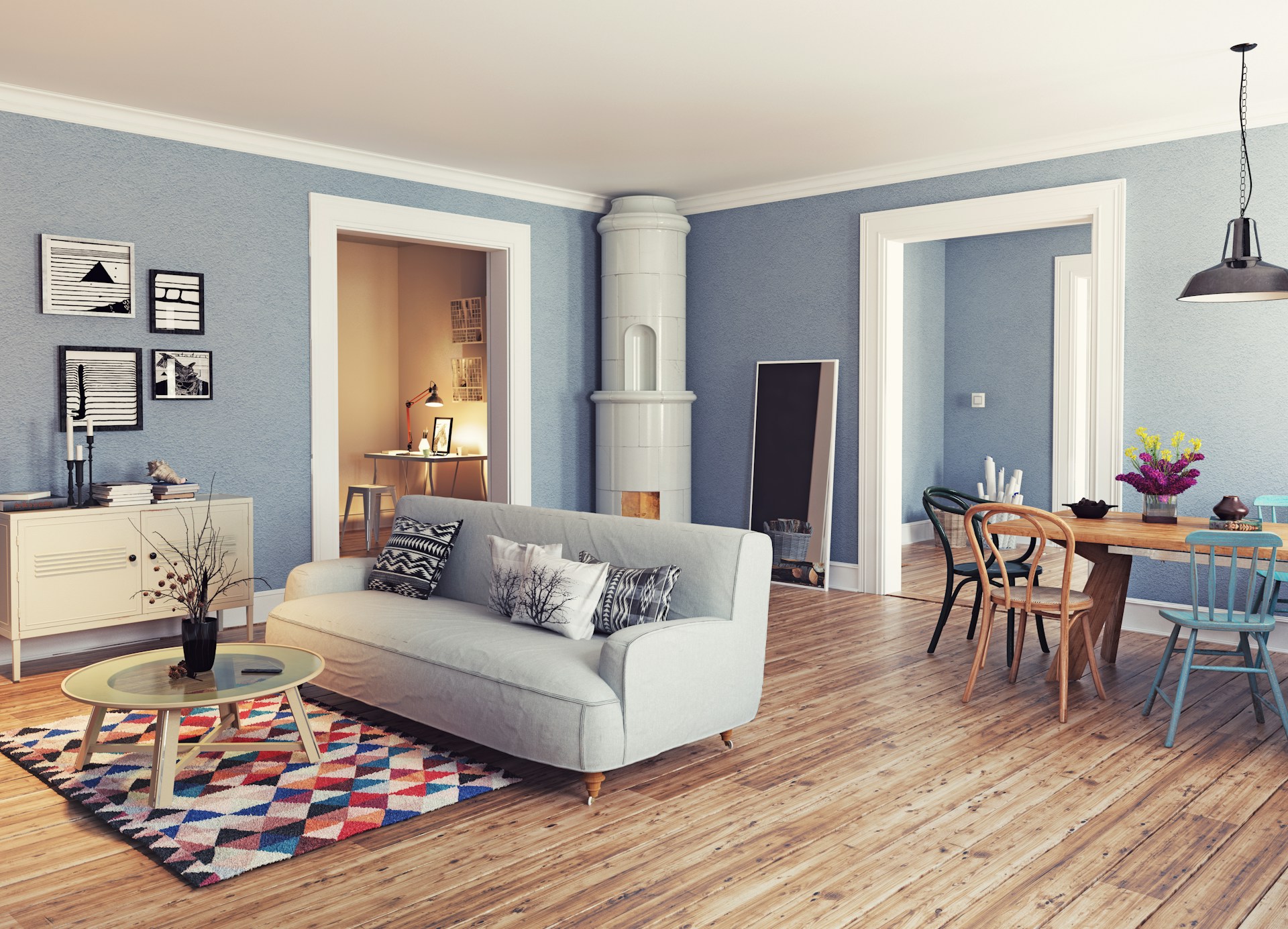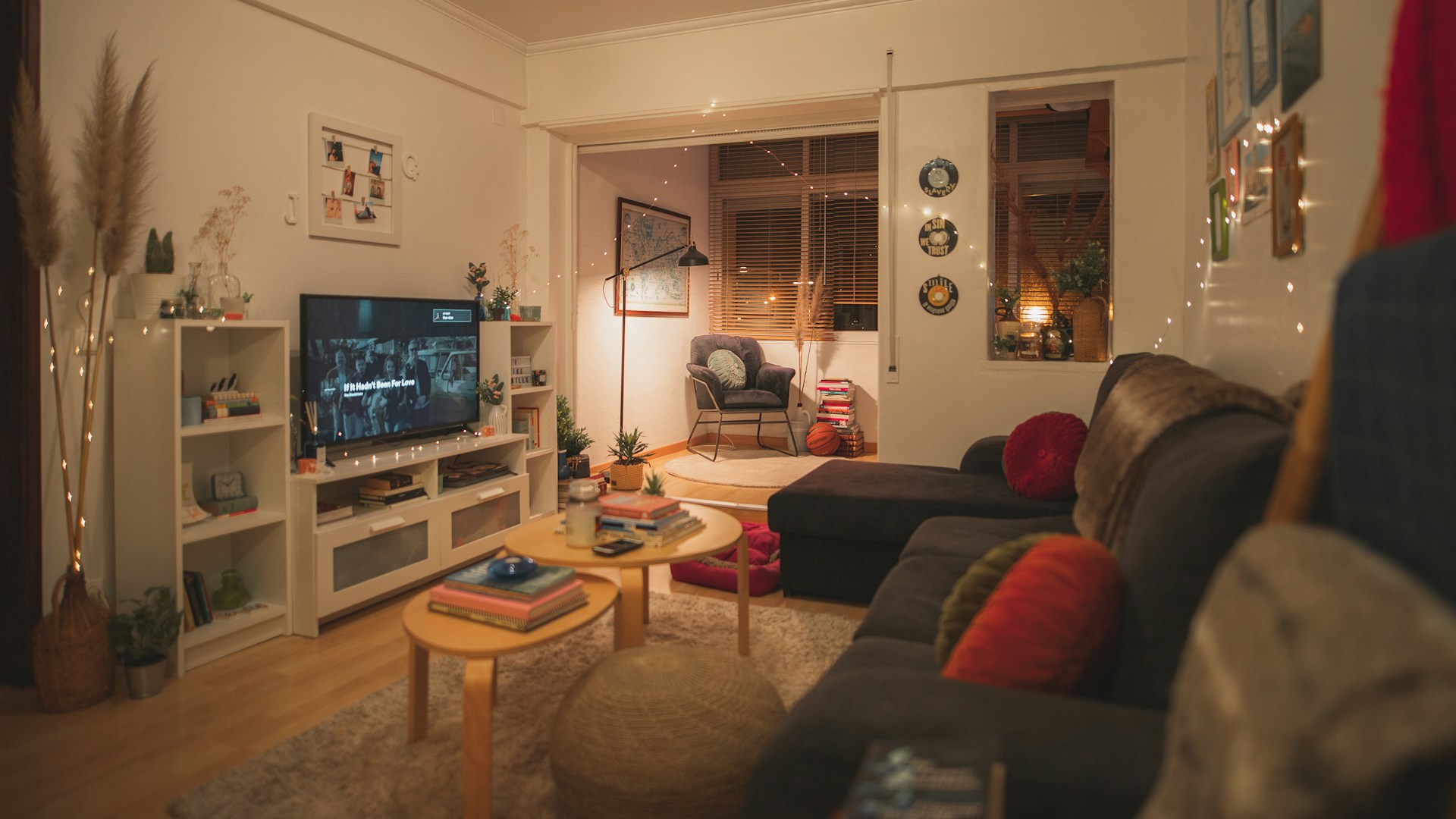
Walk into a home that feels instantly welcoming and there is usually one thing working quietly in the background. It is not the furniture. It is not the color on the walls. It is the soft lighting.
Soft lighting has a powerful effect on how a space feels, often without us realizing why. It creates warmth, reduces harsh contrasts, and makes a home feel lived in rather than staged. Whether it is the gentle glow from window lighting in the evening or subtle ambient lighting in a living room corner, soft lighting changes the emotional tone of a space.
In a world where overhead lights and screens dominate daily life, intentionally softer light can transform a home from functional to inviting.
Why Lighting Affects How We Feel at Home
Lighting plays a direct role in how our brains interpret a space. Bright, cool lighting signals alertness and productivity. Softer, warmer lighting signals relaxation, comfort, and safety.
This is why offices, grocery stores, and hospitals rely on bright overhead lights, while restaurants and hotels often use layered lighting. At home, most people want the latter feeling.
Soft lighting reduces eye strain, softens shadows, and creates a sense of calm. It also makes spaces feel more personal. Instead of illuminating everything equally, it allows the eye to rest and move naturally through a room.
The Difference Between Bright and Soft Lighting
Soft lighting does not mean dark lighting. It means controlled lighting.
Bright lighting usually comes from a single strong source, often overhead, that floods a room evenly. Soft lighting is layered and indirect. It comes from multiple points, often at eye level or lower, and uses warmer tones.
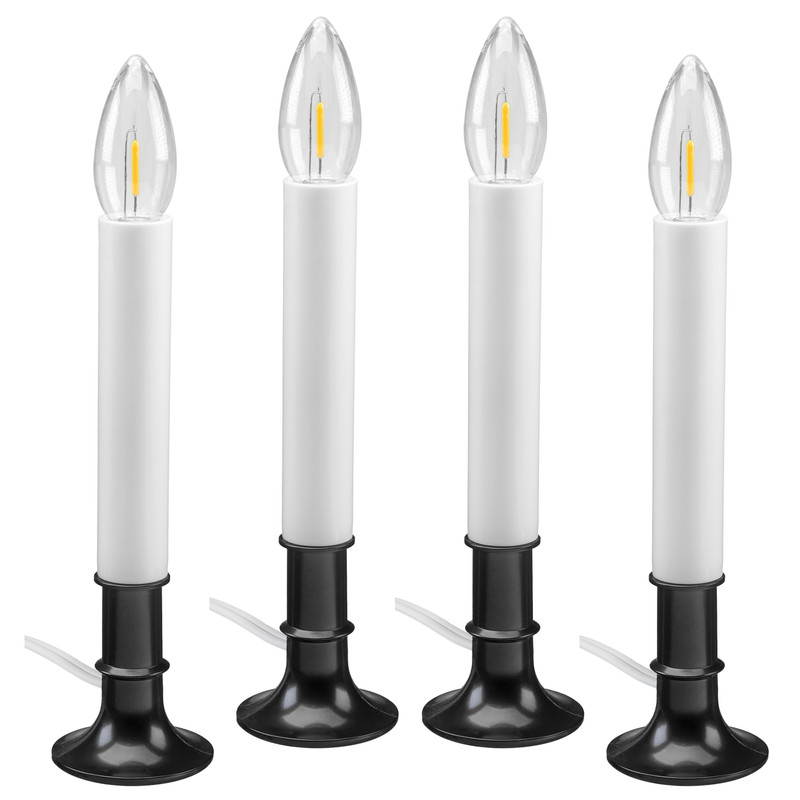
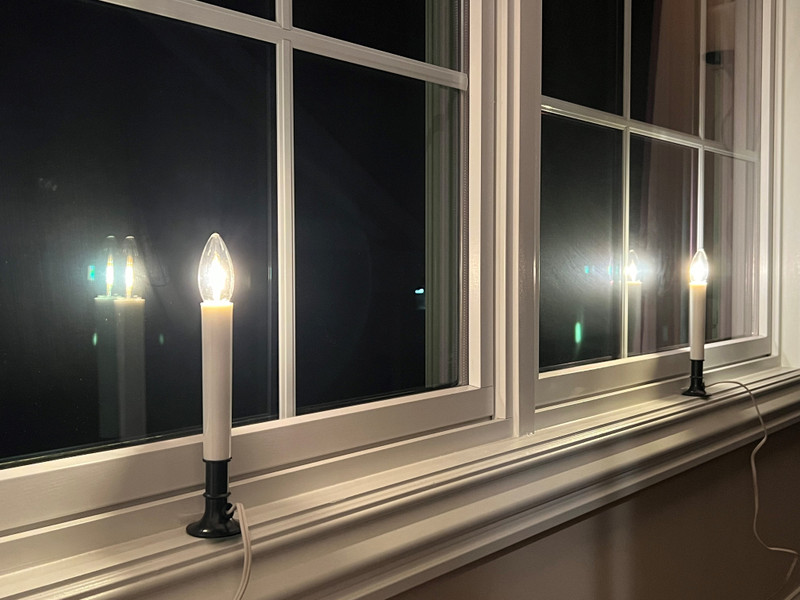
This can include table lamps, floor lamps, wall sconces, LED window candles, or subtle accent lights. The goal is not to light every corner, but to create balance and depth.
Why Soft Lighting Makes a Home Feel More Lived In
Homes that feel inviting often have lighting that looks intentional but not overly designed.
Soft lighting adds the feeling that someone lives there, relaxes there, and enjoys the space. It removes the sterile quality that comes from relying solely on overhead fixtures.
This is especially noticeable in the evening. A home with warm window candle lighting or gentle interior glow feels welcoming from the outside. It signals warmth and presence even before the door is opened.

The Role of Window Lighting in Creating Warmth
Window lighting is one of the most overlooked elements of home ambiance.
When light comes from windows, it feels natural even after sunset. It mimics the way daylight fills a room and makes the transition into evening feel smoother.
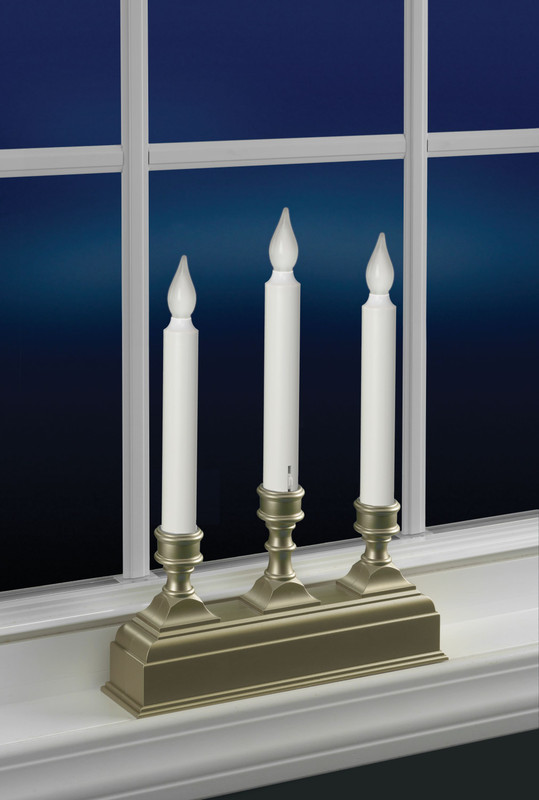
This is one reason why battery operated window candles have become a year round staple in many homes.
Layered Lighting Creates Depth and Comfort
One of the most effective ways to make a home feel inviting is through layered lighting.
Layered lighting means using multiple light sources at different heights and intensities. Instead of relying on one overhead fixture, the room is lit through a combination of lamps, accent lights, and natural light.
- A floor lamp near a seating area creates a cozy focal point
- A table lamp adds warmth to a sideboard or console
- Soft window lighting balances the room visually
- Accent lights highlight architectural features or shelves

The Bottom Line
Soft lighting has the ability to transform how a home feels without changing the structure or style of the space.
By using warm tones, layered lighting, and intentional placement, a home can feel calmer, more comfortable, and more welcoming.
Whether through lamps, window lighting, or thoughtfully chosen ambient lighting solutions from brands like 612 Vermont, soft lighting helps create a home that feels lived in, relaxed, and inviting year round.
Sometimes the most meaningful changes are the quiet ones.
Thank you for reading this post, don't forget to subscribe to our newsletter!