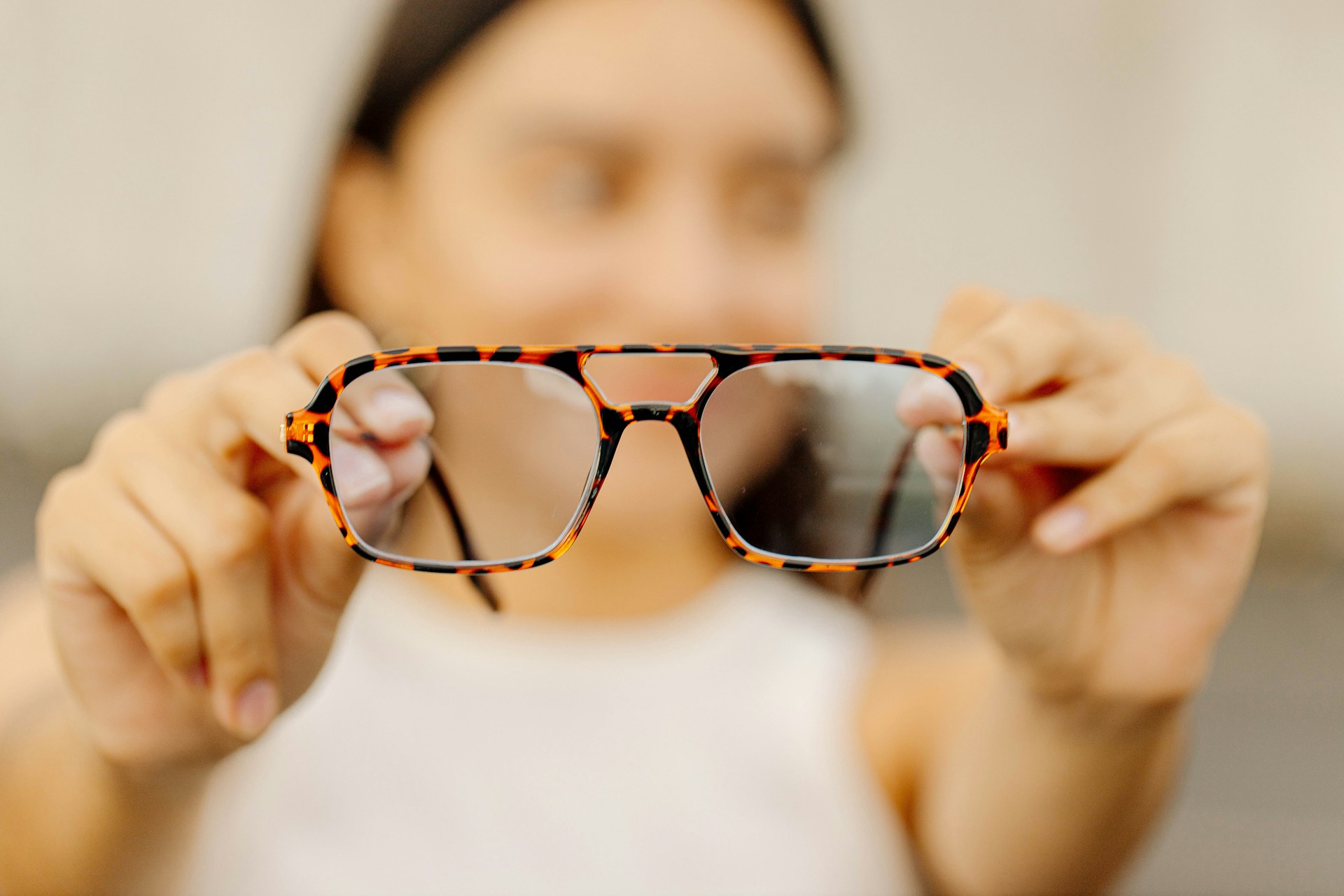
If you’ve worn glasses for years, there’s probably been a moment where you wondered what life would feel like without them. Maybe it’s during a workout when they keep sliding down your nose. Maybe it’s when they fog up walking into a warm room. Or maybe you just want a different look.
Contact lenses offer a different kind of experience—one that can feel more natural, more convenient, and in many cases, more flexible for everyday life. But they’re not for everyone, and making the switch is a decision worth thinking through.
Here’s what you should know before deciding if contact lenses are right for you.
What Are Contact Lenses, Really?
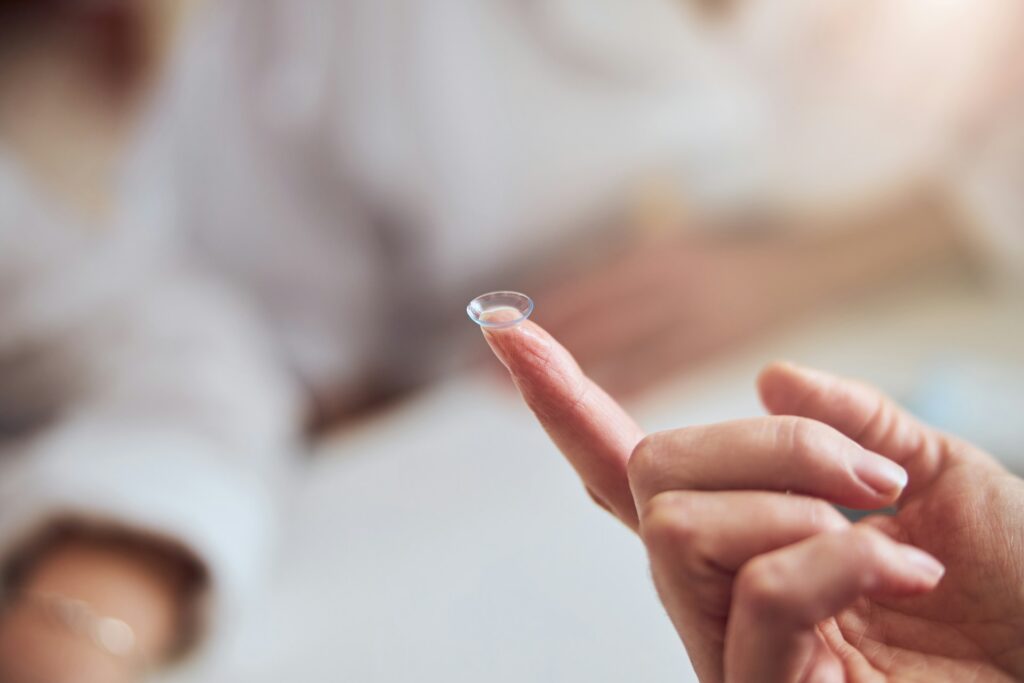
At the simplest level, contact lenses are thin, curved lenses that sit directly on the surface of your eye to correct vision. They work the same way glasses do—adjusting how light enters your eye so you can see clearly—but they do it without frames or lenses sitting on your face.
There are a few common types:
- Daily disposables: worn once and thrown away
- Bi-weekly or monthly lenses: cleaned and reused for a set period
- Specialty lenses: for astigmatism, dry eyes, or multifocal needs
Your eye doctor helps determine which type fits your eyes and lifestyle best.
The Biggest Benefits of Switching to Contacts
1. A More Natural Field of Vision
One of the first things people notice when switching to contacts is how natural everything feels. Because the lenses move with your eyes, you don’t have frames blocking your peripheral vision.
There’s no need to adjust your head position to see clearly through a specific part of a lens. You simply look, and your vision follows.
2. No More Glasses-Related Frustrations
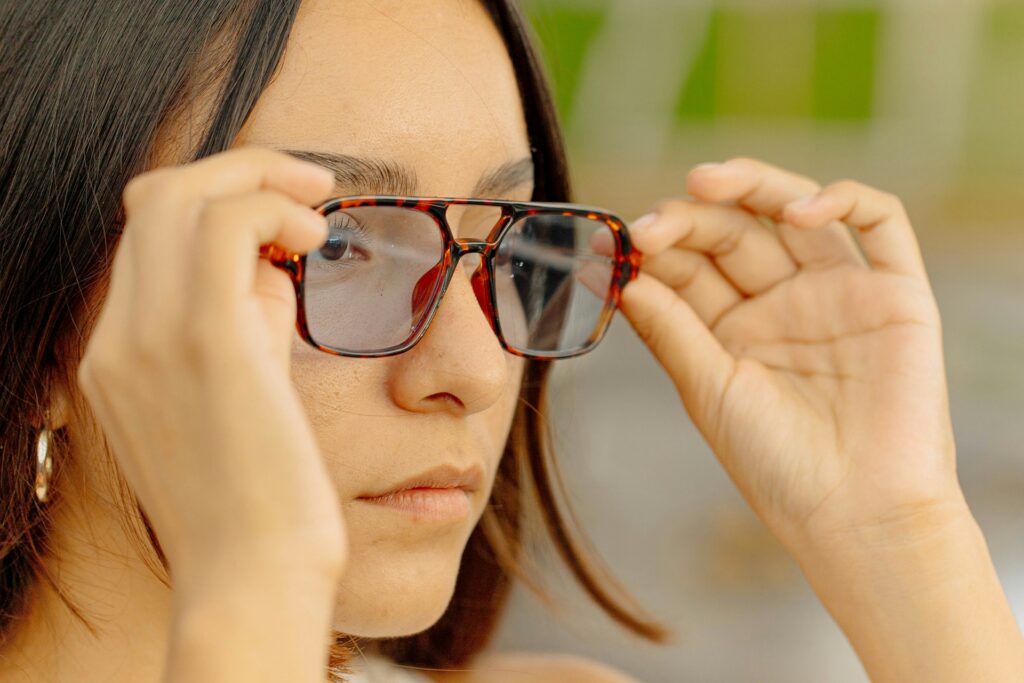
Glasses come with a list of small annoyances that add up:
- Fogging up in temperature changes
- Slipping during workouts
- Getting smudged or dirty
- Interfering with sunglasses
Contacts eliminate all of that. Once they’re in, you don’t have to think about them much at all.
3. Better for Active Lifestyles
If you exercise, play sports, or spend time outdoors, contacts can make a big difference.
There’s no risk of glasses falling off or breaking, and you don’t have to deal with sweat interfering with your frames. For many people, this alone is enough reason to switch.
4. More Flexibility With Style
Some people simply prefer how they look without glasses. Contacts give you the option to change your appearance without permanently giving up your glasses.
You can still wear glasses when you want to, but contacts give you the flexibility to choose.
Things to Consider Before Switching
While contacts have a lot of benefits, they’re not completely effortless. There are a few things to keep in mind.
1. There’s a Learning Curve
Putting in and removing contact lenses can feel intimidating at first. Most people get the hang of it within a few days, but it does take some practice.
The key is consistency. Once it becomes part of your routine, it feels second nature.
2. You Have to Stay Consistent With Hygiene
Contacts require proper care. That means:
- Washing your hands before handling them
- Cleaning reusable lenses properly
- Replacing them on schedule
Skipping these steps can lead to irritation or infections, so this part matters.
3. Not Everyone Finds Them Comfortable Right Away
Some people experience dryness or discomfort when they first start wearing contacts. This usually improves as your eyes adjust or when you switch to a different type of lens.
If you have naturally dry eyes, your eye doctor may recommend specific lenses designed for better moisture retention.
4. There’s an Ongoing Cost
Unlike glasses, which you buy once and use for a long time, contacts are a recurring expense.
Daily lenses tend to cost more over time but require less maintenance. Monthly lenses are often more affordable but require cleaning solutions and storage.
Glasses vs Contacts: Which Is Better?
There isn’t a one-size-fits-all answer here. It really depends on your lifestyle.
Contacts may be better if you:
- Live an active lifestyle
- Want a more natural field of vision
- Prefer not wearing glasses daily
Glasses may be better if you:
- Want something low maintenance
- Don’t want to handle lenses daily
- Experience frequent eye dryness
A lot of people actually use both. Contacts during the day or for specific activities, and glasses at home or at night.
Are Contacts Safe
Yes—when used properly.
Modern contact lenses are designed to be safe, breathable, and comfortable. The most important factor is following the guidelines your eye doctor gives you.
That includes:
- Not wearing them longer than recommended
- Replacing them on schedule
- Keeping everything clean
When those basics are followed, contacts are a very safe and widely used vision solution.
How to Get Started
If you’re thinking about switching, the first step is a contact lens exam with your eye doctor. This is different from a standard vision test because it involves measuring your eyes specifically for contact lenses.
Your doctor will:
- Determine the right lens type
- Check how the lenses fit your eyes
- Make sure they’re comfortable and effective
Once you’re fitted, you’ll receive a prescription that you can use to order lenses.
Making It Easy to Order and Reorder Contacts
One of the biggest pain points people run into with contact lenses isn’t actually wearing them—it’s keeping up with ordering and reordering.
Running out unexpectedly or dealing with complicated ordering processes can be frustrating. That’s where services like 1-800 Contacts come in.
They simplify the entire process.
Instead of going back and forth with a physical store, you can:
- Order your lenses online in just a few minutes
- Have your prescription verified for you
- Set up easy reordering so you don’t run out
For people who want convenience and a smoother routine, this kind of setup removes a lot of the friction that used to come with contact lenses.
It’s especially helpful if you already know what lenses work for you and just want a reliable way to keep them stocked without thinking about it.
So, Should You Switch?
Switching to contact lenses can be a great decision—but it depends on what you value most.
If you want convenience during activities, a wider field of vision, and the flexibility to go without glasses, contacts can be a major upgrade.
If you prefer simplicity and don’t want to deal with a daily routine, glasses might still be the better option.
For a lot of people, the best answer isn’t choosing one or the other—it’s having both and using them when it makes sense.
Final Thoughts
Contact lenses aren’t just about vision correction. They’re about how you experience your day.
From small moments like walking outside without adjusting your frames to bigger ones like feeling more confident in your appearance, the difference can be noticeable.
The key is understanding what fits your lifestyle.
If you’re curious, the best next step is simple: try them. With the right fit and the right routine, contacts can become one of those everyday upgrades that quietly make life easier.
Thank you for reading this post, don't forget to subscribe to our newsletter!