
Creating a budget is one of the most important steps for building financial stability, reducing stress, and taking control of your future. Yet many people struggle with budgeting because traditional methods feel restrictive, confusing, or too time-consuming to maintain. A budget should not feel like punishment or deprivation. A truly effective budget works with your real life instead of against it, aligns with your goals, and helps you feel empowered, not limited.
The truth is that anyone can create a budget, but creating a budget that is realistic, sustainable, and actually improves your financial life requires strategy and consistency. When you build a budget intentionally and use the right tools, you gain clarity and control over your money instead of wondering where it disappears every month.
Below is a step-by-step process to build a budget that genuinely works, plus practical tips to help you stick to it long term and reach your financial goals faster and with significantly less stress.
Start by Understanding Where Your Money Is Going
You cannot build an effective budget without knowing your starting point. Most people underestimate how much they spend on everyday categories like food, entertainment, and subscription services because individual transactions feel small. Over time, those small purchases add up and can quietly drain hundreds of dollars a month without realization.
The first step is to track every dollar for at least 30 days. This gives you a clear picture of your habits and helps identify patterns you may not have noticed.
Separate spending into basic categories such as:
- Housing
- Utilities
- Groceries
- Transportation and gas
- Eating out
- Subscriptions and streaming services
- Shopping and clothing
- Entertainment and travel
- Savings and investing
- Debt payments
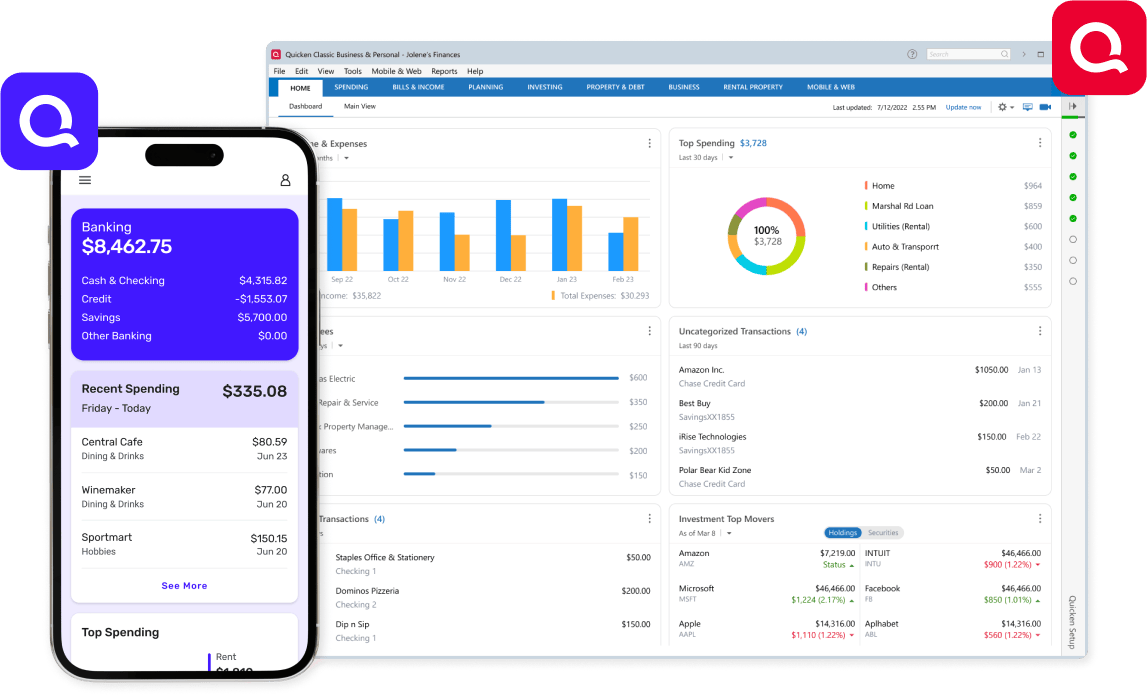
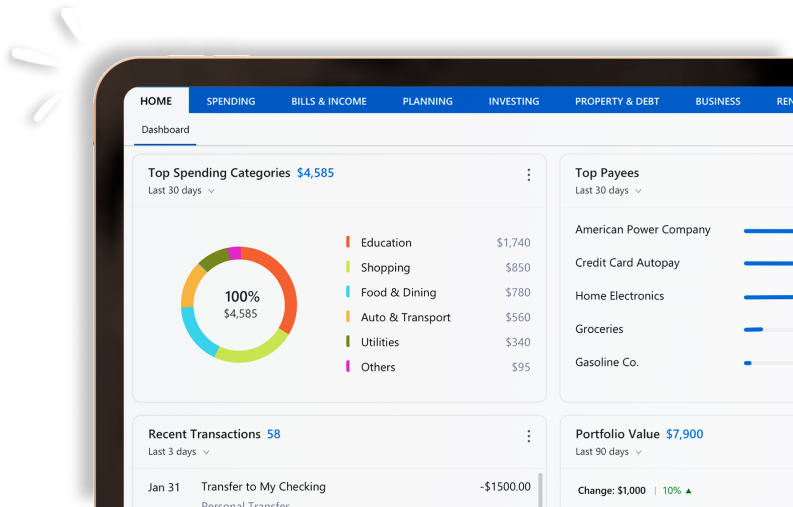
If the idea of tracking manually sounds overwhelming, this is where technology becomes incredibly helpful. Many people successfully use financial software like Quicken because it automatically syncs accounts, categorizes transactions, and visually breaks down where money is going. Instead of guessing or doing spreadsheets, everything is organized in one place so budgeting becomes easier and less stressful. Seeing a chart of spending habits can be a powerful wake-up call and often immediately reveals easy opportunities to improve.
Once you clearly understand your spending, you can build a budget based on accuracy instead of assumptions.
Calculate Your Income and Fixed Monthly Expenses
The next step is to list all income sources, including salary, side income, freelance work, rental income, tips, or commissions. Write down the consistent monthly amount you can rely on.
Then list your fixed expenses that stay the same each month, such as:
- Rent or mortgage
- Car payments
- Insurance
- Internet and phone service
- Student loans
- Childcare
- Minimum debt payments
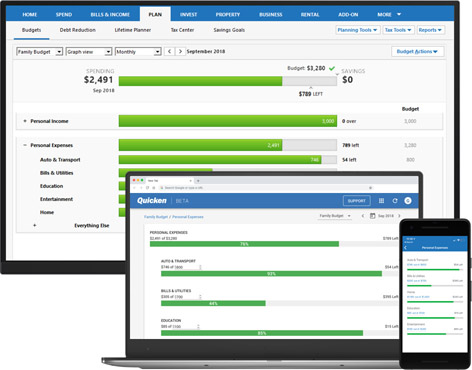
Subtract your fixed expenses from your income. The remaining amount will be used to fund variable expenses like food, gas, recreation, and savings goals.
Many budgeting attempts fail because people try to cut everything aggressively or build unrealistic lifestyle expectations. The key is starting where you truly are rather than creating a plan that is impossible to follow.
Set Realistic Spending Limits for Each Variable Category
Once you know how much money is left after fixed costs, allocate specific amounts toward flexible categories such as groceries, entertainment, dining out, clothing, and savings. Be honest about what you will actually need. A budget is not the place for wishful thinking.
For example:
- Groceries: $400
- Eating out: $120
- Gas/Transportation: $160
- Fun and entertainment: $100
- Shopping and personal care: $75
If the totals exceed your available income, adjust gradually. Do not cut everything at once. Reduce categories one at a time until your budget balances.
This is also where using automated tools can make a huge difference. For instance, many people use Quicken because it allows them to set category limits and receive alerts when spending is close to the maximum. Instead of being surprised at the end of the month, you can adjust behavior in real time and stay on track without feeling overwhelmed.
Apply the 50/30/20 Rule if You Need a Simple Framework
A beginner-friendly structure that helps many people is the 50/30/20 budgeting rule:
- 50 percent for needs
- 30 percent for wants
- 20 percent for savings and debt repayment
This structure helps create balance and ensures long-term financial progress while still allowing enjoyment. If your current numbers do not align perfectly, do not panic. Start with the ratio closest to your life and slowly adjust.
Budgeting improves as you continue practicing it, not on day one.
Add Savings and Debt Payments as Required Budget Categories
Many people treat savings like “extra money,” only contributing what is left at the end of the month. A successful budget treats saving as a non-negotiable expense.
Start by setting priorities such as:
- Building an emergency fund with a goal of three to six months of expenses
- Paying down debt
- Saving for retirement or investments
- Creating sinking funds for planned expenses like travel or holiday gifts
Even small amounts make a difference. Saving $50 a month is better than saving nothing. Once it becomes routine, you can increase it gradually.
Tools like Quicken help users set savings goals and visualize progress with graphs so motivation stays high. Seeing that progress move forward builds positive momentum and helps you stick to financial commitments over time.
Review and Adjust Your Budget Monthly
A budget is not meant to be rigid and unchanging. Life shifts, costs fluctuate, and priorities evolve. Many give up budgeting because they expect perfection. The goal is progress, not punishment.
At the end of each month, review:
- What categories were overspent or under-spent
- Unexpected expenses that may need budgeting next time
- Whether savings goals moved forward
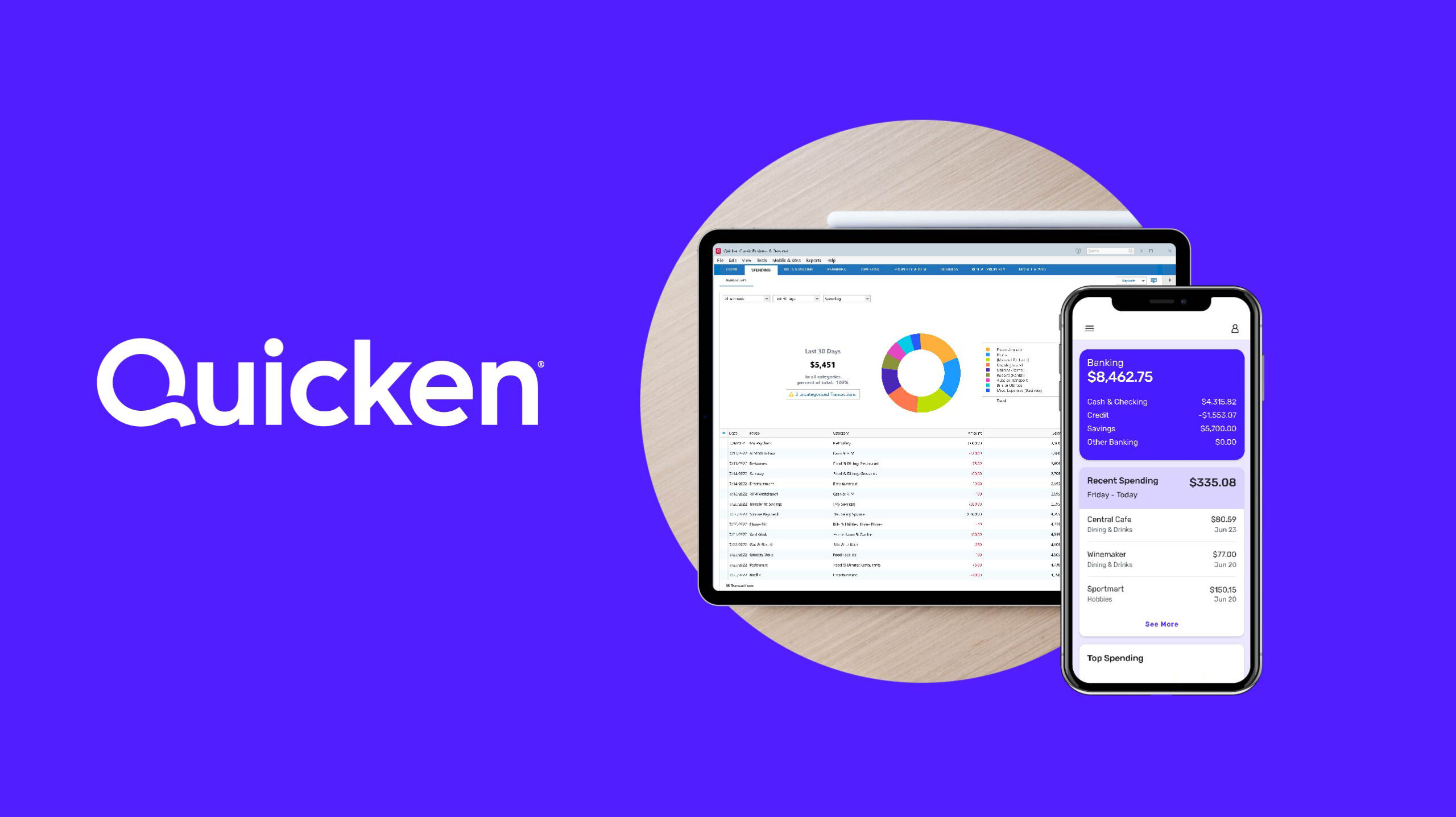
This is where having an organized financial dashboard becomes incredibly helpful. Instead of flipping through bank statements manually, tools like Quicken consolidate all accounts in one view. You can instantly see your spending trends, categorize adjustments, and plan for the next month efficiently.
Budgeting becomes dramatically easier when review is simple and visual, not time-consuming and stressful.
Build Flexibility Into Your Budget
A budget that is too strict will almost always fail. Life includes celebrations, emergencies, and spontaneous plans. Successful budgets allow flexibility so you do not feel deprived or guilty.
Some people include a miscellaneous category for unexpected expenses. Others use a weekly spending envelope for fun purchases. What matters is that you control the money rather than letting the money control you.
If you slip up one week, do not quit. Adjust and continue. Long-term consistency matters more than short-term perfection.
Automate as Much as Possible
Automation removes stress and dramatically increases success rates. Consider automating bill payments, savings transfers, automatic deposits into emergency or sinking funds, and financial tracking and categorization through software.
Automation reduces decisions, reduces temptation to skip responsibilities, and supports discipline. Many people fail because budgeting becomes too much manual work. This is another reason why using tools like Quicken can transform your financial life. It automates tracking, categorization, planning, and reporting, allowing you to focus on results instead of bookkeeping.
Budgeting becomes easier when technology does the heavy lifting.
Stay Motivated by Connecting Your Budget to Your Goals
Budgets work best when they are tied to meaningful rewards. Saving money just for the sake of saving is rarely inspiring. Saving because you want financial freedom, travel plans, a home purchase, or the ability to sleep at night without financial stress is powerful.
Ask yourself what you want your financial life to look like in five years, what would relieve the most stress in your life right now, and how your life would change if money worked for you instead of against you.
Keep your goals visible. Put reminders in your phone. Track progress visually. Celebrate milestones. When purpose stays in front of you, discipline becomes easier.
Final Thoughts
Budgeting is not about restriction. It is about freedom, clarity, and control over your financial future. A budget that actually works is one that reflects real numbers, real priorities, and realistic expectations. When you track your spending, set goals, automate systems, and review regularly, you build long-term financial strength that reduces stress and increases confidence.
Whether you want to pay off debt, save more money, or stop living paycheck to paycheck, the path begins with a budget that is simple, manageable, and consistent. You do not have to do everything manually or alone. Financial tools like Quicken make it easier to stay organized by automatically tracking expenses, categorizing spending, setting goals, monitoring net worth, and giving you a clear financial snapshot anytime you need it. When you have visibility and structure, sticking to your budget becomes not only possible but achievable and rewarding.
Small steps compound into significant results. With the right plan and the right tools, you can transform your financial life one month at a time and build the stability, freedom, and confidence you deserve.
Thank you for reading this post, don't forget to subscribe to our newsletter!