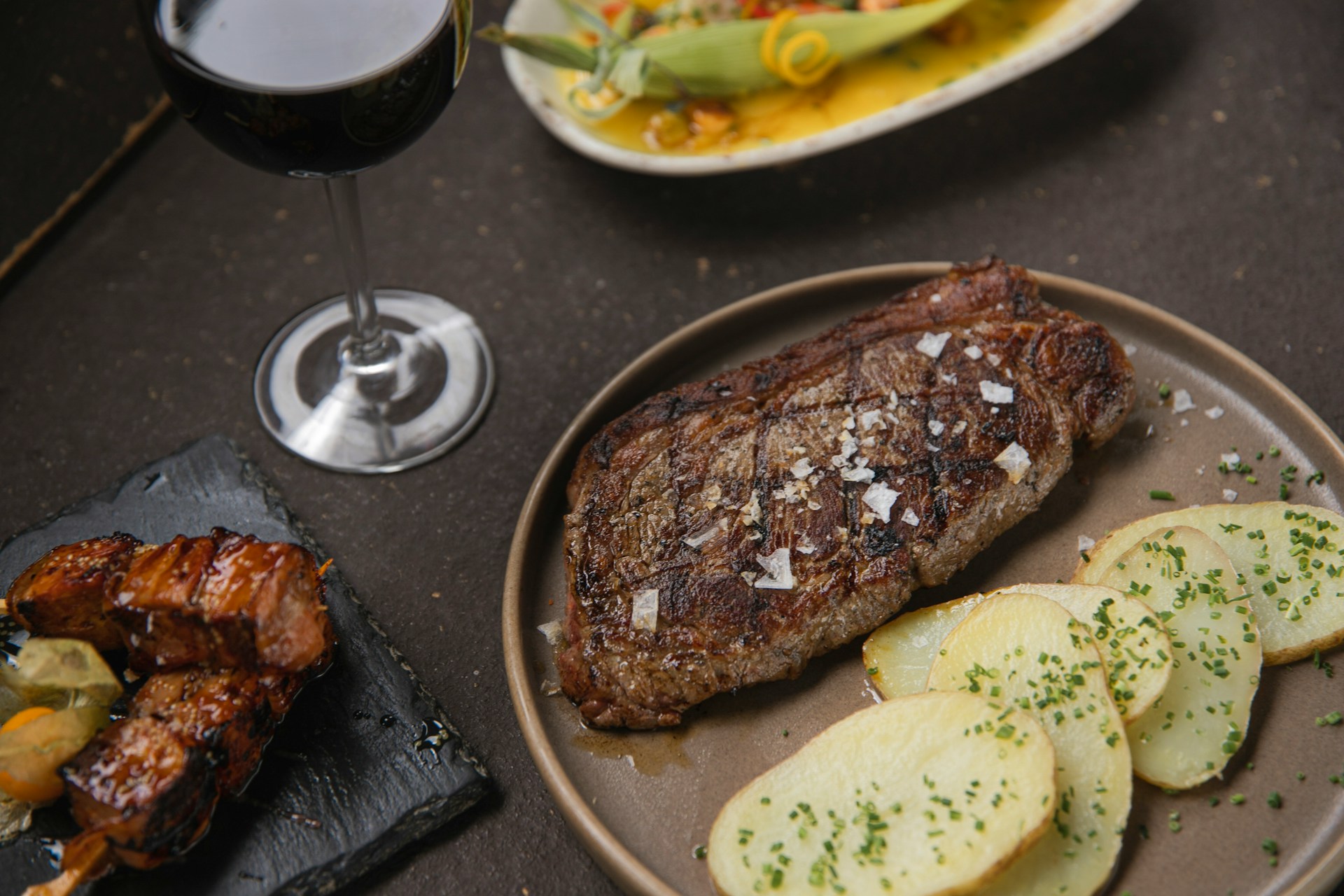
There’s a moment every steak lover knows well: that first bite that makes you pause mid-chew, close your eyes, and think, “Oh wow.” It’s the kind of steak that tastes buttery, juicy, and rich all at once—the kind that instantly ruins you for anything less. But why do some steaks taste so much better than others? The answer isn’t luck or fancy plating. It’s a mix of science, sourcing, and a little bit of steakhouse-level care that starts long before it hits your grill.
The Secret Is in the Marbling
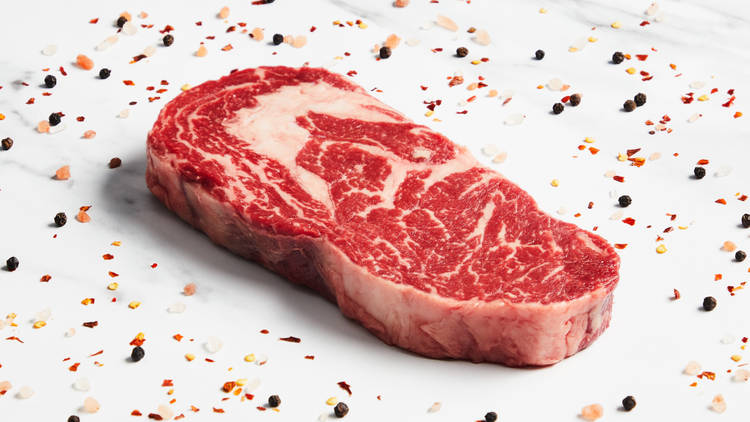
If you’ve ever looked closely at a great steak, you’ll notice thin white streaks running through the meat. That’s marbling, the intramuscular fat that gives steak its signature tenderness and flavor. When cooked, those little flecks melt into the meat, turning every bite into something juicy and full of flavor.
This is what separates USDA Prime Ribeye Steak from your average grocery store cut. USDA Prime is the highest grade given by the U.S. Department of Agriculture, reserved for only about the top 2% of all beef. It has abundant marbling, tiny ribbons of fat that create that melt-in-your-mouth magic. When seared properly and cooked to about 130°F for medium-rare, the fat renders perfectly, coating every fiber of meat with richness. It’s the difference between a good steak and a steak you remember.
Good Chop
Grass, Grain, and Everything In Between
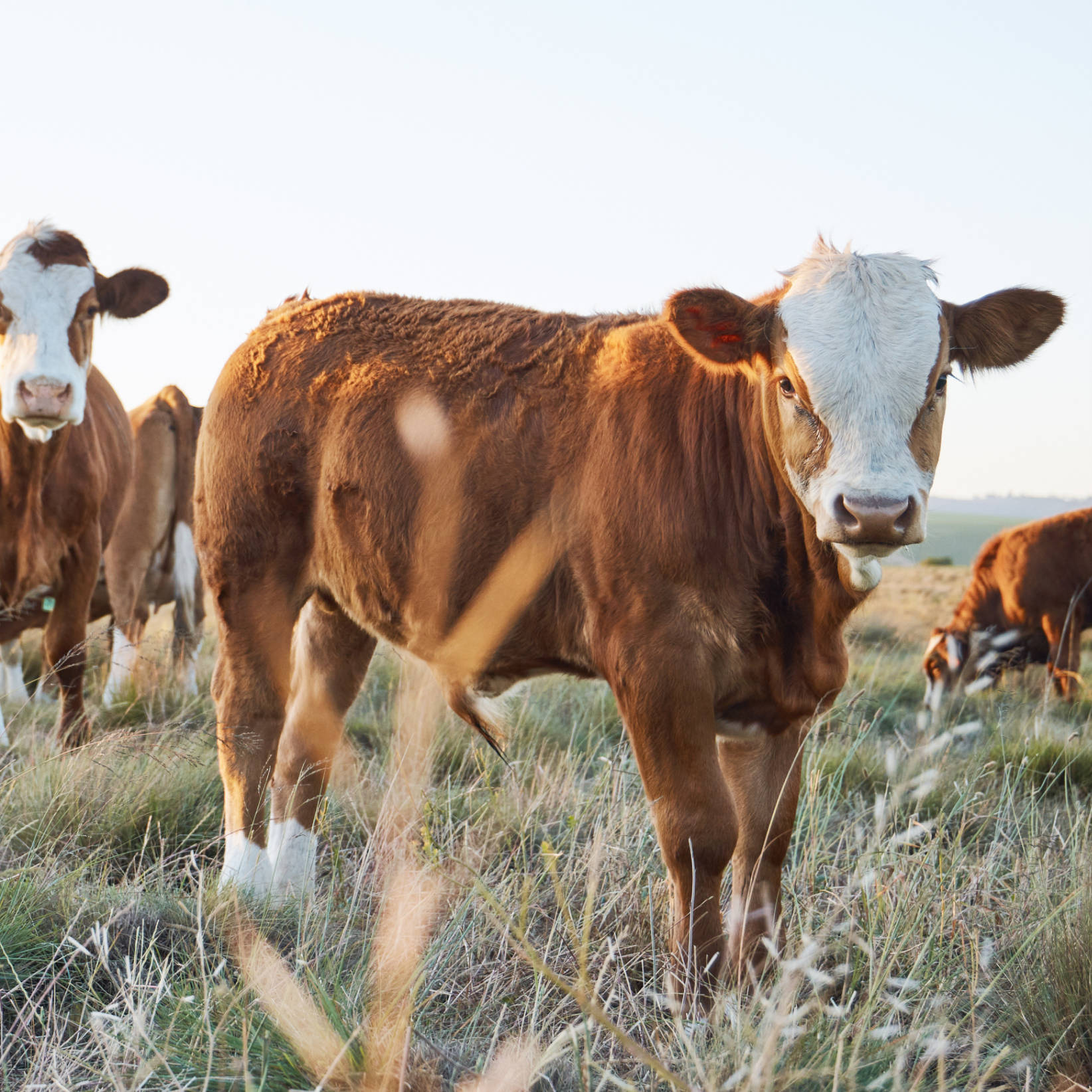
A steak’s flavor journey begins long before it reaches your plate. It starts with what the cattle eat. Grass-fed beef often has a leaner profile and a slightly earthy flavor, while grain-finished beef develops a deeper, more buttery taste and texture thanks to the added richness from the grain diet.
The best producers combine both approaches. Cattle graze freely on lush green pastures for most of their lives, then finish on a vegetarian diet of grains and roughage to achieve that rich, steakhouse-quality flavor. This balance results in meat that’s both naturally raised and incredibly satisfying. And when that sourcing comes from family farms in the Midwest with sustainable farming practices, it means you’re not just tasting quality—you’re supporting it.
Good Chop
Cut Matters More Than You Think
Even the most flavorful beef won’t shine if you choose the wrong cut for the wrong occasion. Each part of the cow has its own personality and purpose. Choosing the right cut of beef can make or break your meal.
Ribeye: Rich, juicy, and indulgent. Its heavy marbling makes it perfect for pan-searing or grilling over high heat. Think special occasions or “I deserve this” nights.
Tri Tip: Underrated and unforgettable. This triangular cut, often called a Bottom Sirloin Roast, comes from California’s Central Coast barbecue scene. It’s tender, smoky, and best grilled over oak or roasted to medium-rare. Slice it against the grain and it practically melts in your mouth.
Burger Patties (1/3 lb): Made from world-class Angus ground beef, these are a reminder that quality isn’t just for fancy cuts. A good burger patty should sizzle, sear, and taste like the steak it came from. Top with grilled onions and sharp cheddar, and you’ll never go back to frozen patties again.
The Art of Cooking It Right
Even a great steak can fall flat if it’s cooked wrong. The goal is to coax flavor out of the meat, not beat it into submission. Start by letting your steak come to room temperature before cooking. Sear it on high heat to lock in juices, then finish it on lower heat until it reaches your desired temperature. Always let it rest for at least five minutes before cutting into it. That pause allows the juices to redistribute, keeping the inside tender and moist instead of spilling out onto your plate.
And don’t be afraid of a little salt and butter. Salt enhances the natural flavors of the beef and helps create that crave-worthy crust. A drizzle of melted butter at the end doesn’t hurt either.
What Quality Really Means
The best-tasting steaks are not an accident. They’re the result of high standards, respect for the animal, and careful attention from start to finish. All-natural beef that’s minimally processed, born and bred in the U.S.A., and sourced from trusted family farms makes all the difference. When cattle are raised humanely and fed a clean, balanced diet, the result is meat that’s not only more flavorful but also something you can feel good about eating.
So, the next time you bite into a juicy ribeye or a perfectly grilled tri tip, remember what’s behind that flavor. It’s not just the seasoning or the sear. It’s the story of how that steak was raised, graded, and prepared with care.
Because the truth is simple: great steaks don’t just taste better—they’re made better.
Thank you for reading this post, don't forget to subscribe to our newsletter!