Better spinal alignment for daily comfort
Sitting for long periods is part of modern life. Whether it is for studying, office work, or creative projects, the position you hold for hours has a direct effect on your body. An ergonomic chair is designed to support the natural curve of the spine, keeping the lower back slightly curved inward instead of slumping forward. This helps the vertebrae align properly and reduces tension in the muscles that support your posture. Over time, this alignment prevents back pain and improves overall sitting comfort.

FelixKing
Reducing strain through balanced support
When the body is not well supported, muscles and tendons must compensate. This extra effort leads to fatigue, stiffness, and pain. Ergonomic chairs distribute your weight more evenly across the seat and backrest, allowing your muscles to relax without losing stability. Features such as lumbar support, curved backrests, and seat depth adjustment all contribute to a more natural posture. With better weight distribution, blood flow improves and discomfort from sitting too long is reduced.
Circulation and movement as key health factors
Good health while sitting depends not only on posture but also on maintaining circulation. If your chair’s seat edge presses against the back of your thighs, it restricts blood flow and causes numbness. Ergonomic models are designed to avoid this issue by using waterfall seat edges and breathable materials that promote comfort and airflow. This design allows for small natural movements throughout the day. Those small adjustments help reduce stiffness and support long-term vascular health.

FelixKing
Comfort that adapts to your body
Each person has different proportions, so a single chair shape cannot suit everyone. An ergonomic chair becomes truly beneficial when it can be adjusted to match your body. Adjusting the seat height so your feet rest flat on the floor and your knees are level with your hips is one of the simplest ways to maintain comfort. Recline control, adjustable armrests, and headrests that follow the natural shape of the neck all contribute to a customized sitting experience. These features create a sense of balance and ease that is hard to achieve with a static or rigid chair.
Sustained energy and focus
The impact of proper seating extends beyond physical comfort. A stable and supportive posture keeps oxygen flow steady and reduces fatigue. When you are not distracted by back pain or tension, you can maintain mental focus longer. Ergonomic seating contributes to greater concentration and energy levels during long hours of work or study. Over time, this translates into better productivity, fewer breaks caused by discomfort, and an improved sense of well-being.
An example of smart ergonomic design
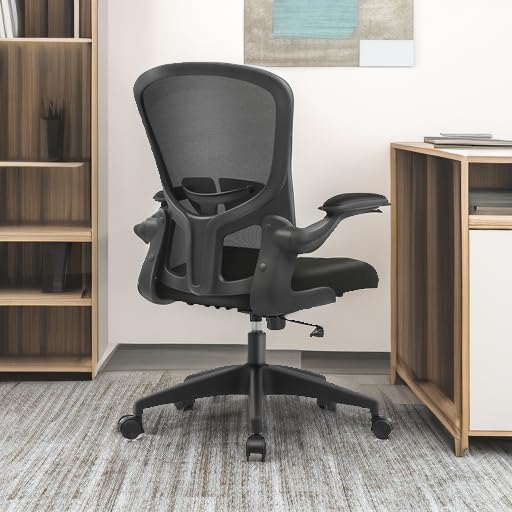
Among the accessible ergonomic options on the market, FelixKing has gained attention for its practical and health-oriented approach. The brand focuses on everyday usability rather than luxury pricing, making ergonomic benefits attainable for a broader audience. Its chairs feature breathable mesh backs that keep air circulating, adjustable lumbar supports, and flip-up armrests that save space. The materials are chosen for both durability and flexibility, allowing the chair to maintain its shape over years of daily use. FelixKing demonstrates that ergonomic design does not have to be complicated or expensive to deliver tangible health improvements.

FelixKing
Pressure relief through material innovation
One of the main health advantages of FelixKing’s products is the use of high-density sponge and elastic mesh. These materials adjust naturally to the body’s contours while keeping their structure firm. This combination helps to distribute pressure evenly, preventing pain points that can lead to chronic tension in the lower back or hips. The mesh surface also reduces heat accumulation, which promotes comfort during long sessions at the desk. By focusing on the interaction between material and anatomy, the brand ensures that its chairs actively support well-being.

FelixKing
Encouraging better posture habits
The goal of any ergonomic chair is not just to provide comfort, but to encourage healthier sitting behavior. FelixKing designs its chairs to guide posture automatically, allowing the spine to maintain its natural curvature. The lumbar support acts as a subtle reminder to sit upright, and the adjustable tilt encourages movement instead of rigid stillness. Over time, these design features help users develop healthier habits that carry over even when they sit elsewhere. This is one of the most overlooked yet valuable aspects of ergonomic seating: it trains the body toward balance.
Durability and long-term health benefits
A chair that wears down quickly loses its ability to provide support, which can reverse its health benefits. FelixKing addresses this through solid metal bases, smooth-rolling casters, and materials resistant to deformation. This attention to durability ensures that users maintain proper posture support over time. Investing in a quality ergonomic chair becomes a health decision rather than a decorative one. The long-term effect is a consistent sitting experience that protects the spine and muscles year after year.
FelixKing
A balanced workspace starts with the chair
Creating a healthy work environment involves more than lighting or desk height. The chair is the foundation of that setup. When it is designed to promote balance and stability, it sets the tone for the rest of your workspace habits. Many FelixKing users highlight how the design’s simplicity makes it easy to integrate into small home offices or shared spaces. The ability to flip the arms up and slide the chair under the desk helps maintain order and frees up movement. This practical usability is part of what makes ergonomic seating a cornerstone of sustainable work habits.
Making comfort a daily habit
The benefits of an ergonomic chair only appear when it is used consistently. Incorporating small adjustments each day, like modifying the seat angle or taking short breaks to stretch, enhances those results. Chairs such as those by FelixKing are built for daily interaction, making these adjustments simple. They invite movement instead of discouraging it. As a result, sitting becomes less of a passive act and more of a mindful routine that protects the body from strain.
The connection between posture and well-being
Physical comfort directly affects mental and emotional well-being. Persistent discomfort leads to distraction and stress, while stable support promotes relaxation and focus. By aligning the spine, reducing fatigue, and keeping muscles active but relaxed, ergonomic chairs create a healthier baseline for both body and mind. The subtle sense of ease they bring influences not only how you sit but also how you think and feel throughout the day. The combination of structure and adaptability encourages a healthier rhythm between activity and rest.
A healthy investment for the long term
Health-conscious living often focuses on diet or exercise, yet posture and workspace ergonomics are just as vital. An ergonomic chair is not a luxury; it is a tool that supports the body’s natural design. FelixKing exemplifies how thoughtful engineering can improve daily comfort, reduce pain, and extend productivity. Over time, the benefits compound, leading to fewer physical problems and greater overall well-being. For anyone spending long hours sitting, upgrading to an ergonomic chair is an investment not only in furniture but in personal health and longevity.

FelixKing
Thank you for reading this post, don't forget to subscribe to our newsletter!