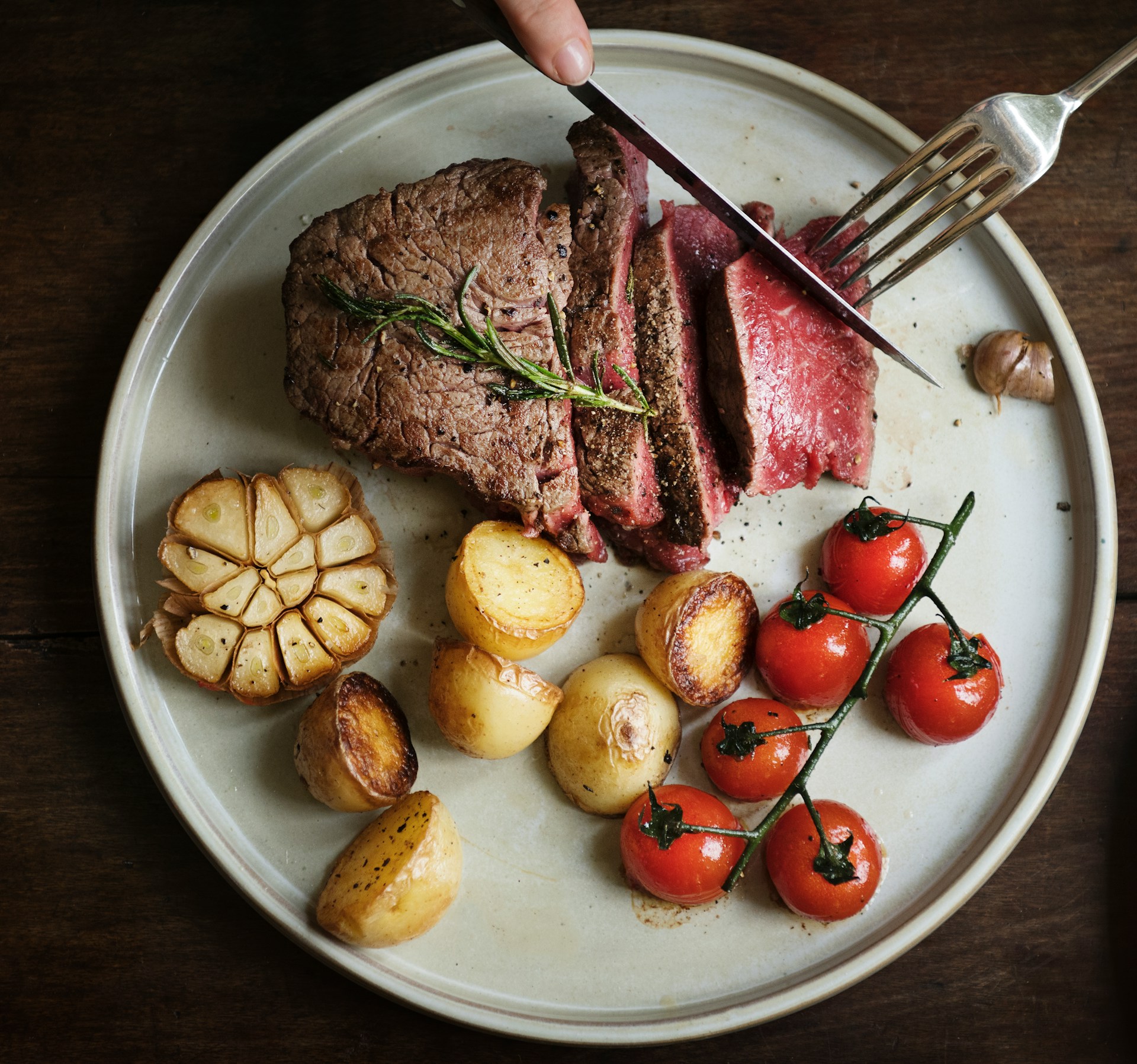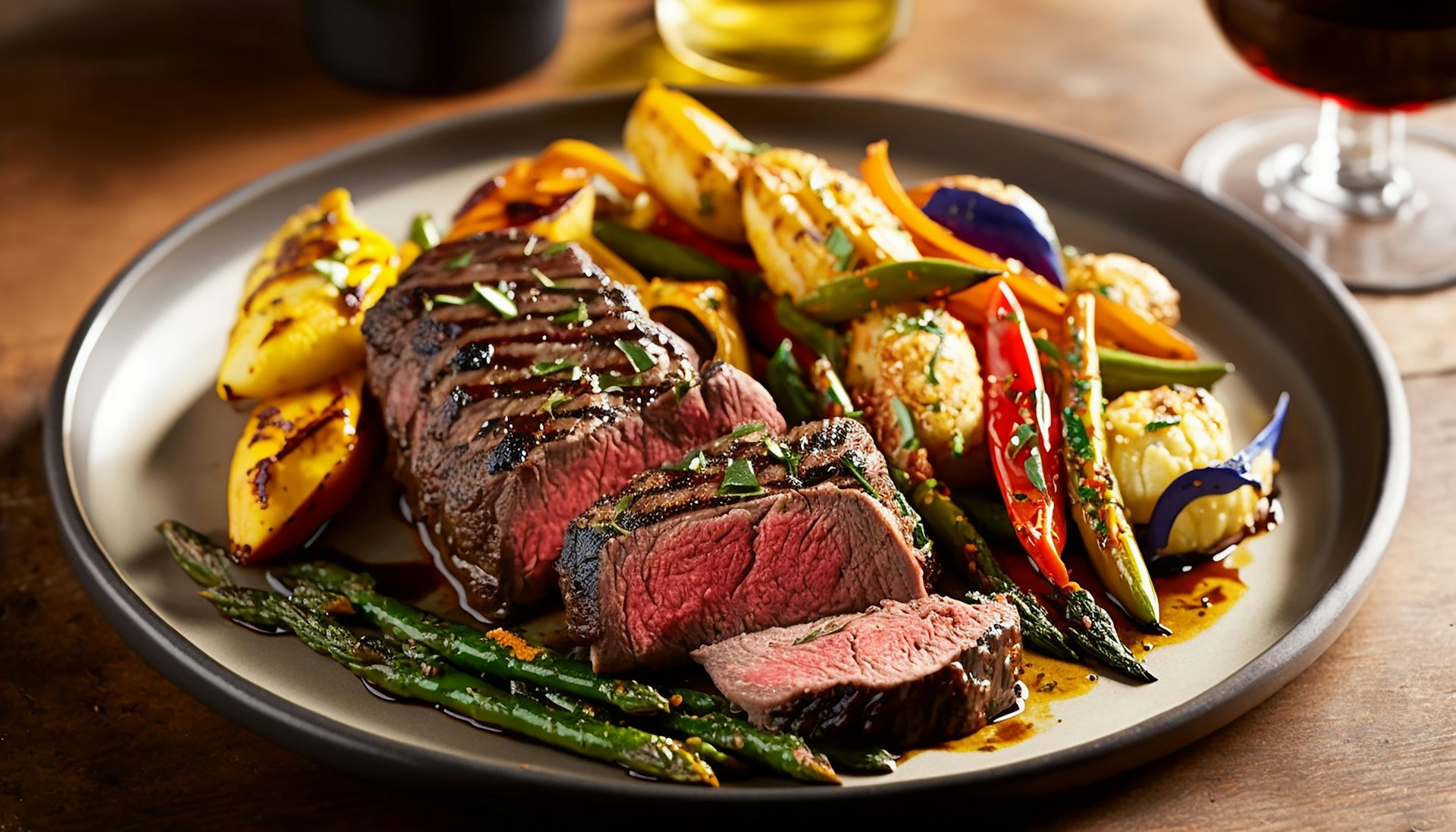
Steak has always been a staple of home cooking. It’s familiar, comforting, and deeply satisfying. But if you’ve been grilling the same ribeye the same way for years, steak night can start to feel predictable. The good news is that steak is one of the most versatile proteins you can cook, and a few small changes in technique can completely transform how it tastes, looks, and feels on the plate.
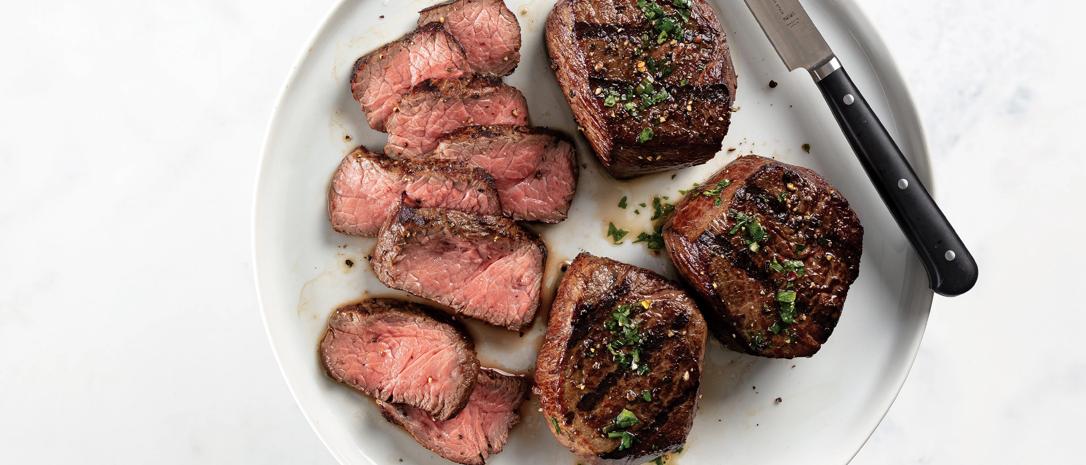
Whether you’re cooking for a special occasion or just trying to make weeknight dinners more exciting, these five methods offer fresh ways to prepare steak without requiring fancy equipment or restaurant-level skills. Each approach highlights different textures and flavors, proving that steak can be much more than just salt, pepper, and a hot grill.
1. Reverse Sear for Perfect Edge-to-Edge Doneness
If you’ve ever struggled with steak that’s overcooked on the outside and undercooked in the center, reverse searing may change everything for you.
Instead of starting with a blazing-hot pan or grill, the reverse sear method begins by cooking the steak slowly at a low temperature. This allows the interior to warm evenly before finishing with a high-heat sear to develop a crust.

To do this at home, place your steak on a wire rack set over a baking sheet and cook it in a low oven, usually around 225–250°F. Once the internal temperature reaches about 10–15 degrees below your desired doneness, remove it from the oven. Then finish it in a very hot pan or on a hot grill for one to two minutes per side.
The result is a steak that’s evenly cooked from edge to edge, with a beautifully caramelized exterior. This method works especially well for thicker cuts like ribeye, strip steak, or filet mignon. It takes a bit more time than traditional grilling, but the payoff in consistency and texture is worth it.
2. Steak with a Bold Dry Rub Instead of Marinade
Marinades have their place, but dry rubs are often overlooked when it comes to steak. Unlike marinades, which can sometimes mask the flavor of the meat, a well-balanced dry rub enhances the steak while creating a deeply flavorful crust.
A dry rub is simply a mixture of spices and seasonings applied directly to the surface of the steak. Common ingredients include kosher salt, black pepper, smoked paprika, garlic powder, onion powder, cumin, and chili powder. You can customize the blend depending on whether you want something smoky, spicy, or herb-forward.
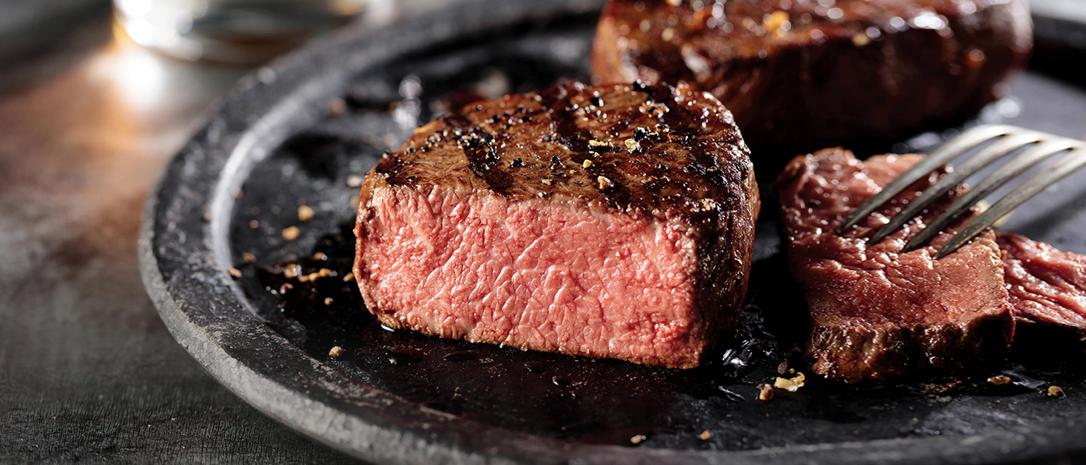
The key is to apply the rub at least 30 minutes before cooking, or even a few hours ahead if possible. This allows the salt to penetrate the meat slightly while the spices adhere to the surface. When cooked over high heat, the rub forms a crust that’s packed with flavor.
This method works particularly well for grilling or cast-iron cooking and is ideal for flank steak, skirt steak, or sirloin. It’s a simple way to create steak that tastes bold and intentional without extra sauces.
3. Age Your Steak for Deeper Flavor and Tenderness
One of the most overlooked ways to elevate steak is aging the meat before it ever hits the pan or grill. Aging allows natural enzymes in the beef to break down muscle fibers over time, resulting in a steak that’s more tender, more flavorful, and noticeably richer than fresh, unaged meat.
There are two main types of aging: wet aging and dry aging. Wet aging happens when beef is vacuum-sealed and allowed to age in its own juices under controlled refrigeration. This method enhances tenderness while preserving the meat’s natural beefy flavor. Dry aging, on the other hand, involves storing beef uncovered in a carefully controlled environment for weeks or even months. Moisture evaporates, flavors concentrate, and the steak develops a deeper, almost nutty complexity that’s hard to replicate any other way.
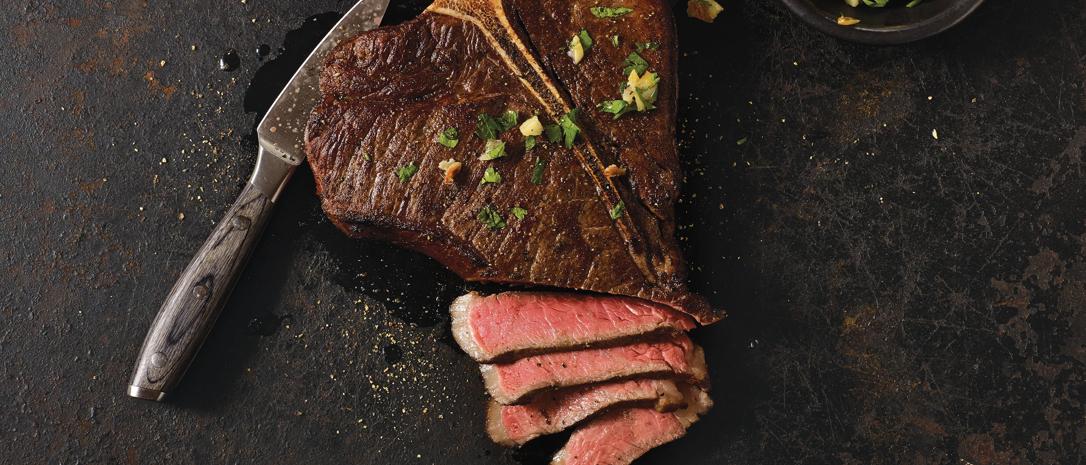
The challenge is that aging meat at home is not beginner-friendly. It requires precise temperature control, consistent airflow, low humidity, and a clean environment. Get any of those wrong, and instead of a beautifully aged steak, you risk spoilage or food safety issues. It’s also time-consuming and expensive, especially if you’re experimenting for the first time.
That’s why many people who want to experience aged steak without the hassle choose to order from Omaha Steaks instead. All of their steaks are wet-aged for a minimum of 28 days to ensure tenderness, which is a stark contrast to most supermarket meat that is not aged at all. For those looking to explore something more distinctive, Omaha Steaks also offers a Private Reserve selection featuring steaks that are dry-aged for up to 60 days, allowing home cooks to experience the depth of dry-aged flavor without the risk or guesswork.
When you start with properly aged beef, the difference is immediately noticeable. The steak cooks more evenly, cuts more easily, and delivers a flavor profile that simply can’t be achieved with fresh grocery store cuts. Whether you grill it, reverse sear it, or finish it with a butter baste, aged steak turns even simple cooking methods into something that feels truly special.
4. Butter-Basted Steak with Fresh Herbs
Butter basting is a classic restaurant technique that’s surprisingly easy to replicate at home. Instead of relying solely on dry heat, this method uses hot butter infused with herbs and aromatics to flavor the steak as it cooks.
To try this, start by searing your steak in a heavy pan with a neutral oil until a crust forms on both sides. Lower the heat slightly, then add a generous amount of butter along with crushed garlic cloves and fresh herbs like thyme or rosemary. Tilt the pan and use a spoon to continuously baste the steak with the melted butter.
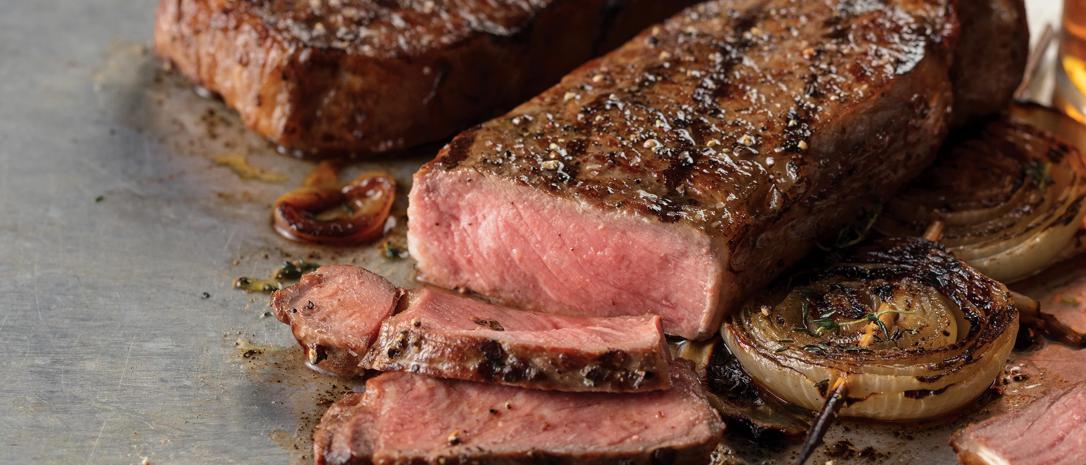
As the butter foams and browns, it coats the steak with rich flavor while helping it cook gently. This technique adds depth and a subtle nuttiness that’s hard to achieve any other way.
Butter basting works best with tender cuts like filet mignon or New York strip. It’s ideal for special occasions when you want steak to feel indulgent and restaurant-quality without complicated preparation.
5. Steak Sliced and Finished with a Pan Sauce
Instead of serving steak whole, try slicing it after cooking and finishing it with a quick pan sauce. This approach not only looks elegant but also ensures every bite is coated in flavor.
Start by cooking your steak using your preferred method, then let it rest and slice it against the grain. While the steak rests, use the same pan to build a sauce by deglazing with wine, broth, or even balsamic vinegar. Scrape up the browned bits from the pan, then add aromatics like shallots or garlic. Finish with a knob of butter or a splash of cream.
Pour the sauce over the sliced steak just before serving. Because the steak is sliced, the sauce seeps into the meat rather than sitting on top, creating a cohesive dish.
This method is especially effective for leaner cuts like flank steak or hanger steak, which benefit from added moisture. It’s also a great option when serving steak to a group, as it stretches the portion and adds visual appeal.
Rethinking Steak Night
Steak doesn’t have to be repetitive. By changing how you cook it rather than what you buy, you can unlock entirely new experiences from the same familiar cuts. Whether it’s the precision of a reverse sear, the depth of aged beef, the richness of butter basting, or the elegance of a pan sauce, each method brings something unique to the table.
These five approaches are proof that steak is endlessly adaptable. You don’t need new equipment or rare ingredients—just a willingness to try something slightly different the next time you cook.
If steak has felt routine lately, consider this your invitation to mix it up. Sometimes, the smallest change in technique is all it takes to make an old favorite feel brand new.
Thank you for reading this post, don't forget to subscribe to our newsletter!